

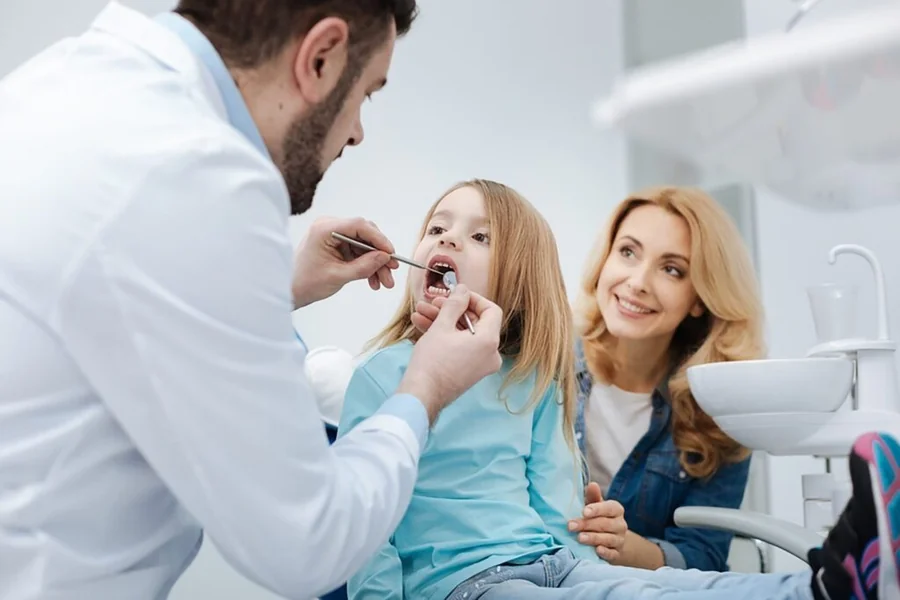
Dental emergencies can be unsettling for families. By taking a few practical steps, you can ease the anxiety and keep everyone safe. First, have a conversation with your Metairie dentist. Know their emergency procedures and contact information. This ensures you’re not searching for help during a crisis. Second, stock a simple dental first aid kit. Include items like gauze, pain relief, and a small container for a knocked-out tooth. These supplies can make a significant difference before professional care is available. Lastly, discuss emergency scenarios with your family. Create a plan for each situation, so everyone knows their role. This conversation builds confidence and reduces panic. Taking these three steps helps you stay ready and calm when dental emergencies happen. Remember, preparation is key to managing unexpected situations. Families who plan together face challenges with greater ease and assurance.
Step 1: Communication with Your Dentist
Effective communication with your dentist lays the foundation for handling emergencies. Establish a connection with your trusted dental professional. Ask about their availability and what to do after hours. This information is crucial if an incident occurs during weekends or holidays. Keep the dentist’s contact details easily accessible. Store it in a shared family location, such as a bulletin board or family calendar. Having this information at your fingertips reduces stress and speeds up response time in an emergency.
Step 2: Assembling a Dental First Aid Kit
A well-stocked dental first aid kit is a family’s best ally during a dental emergency. The kit doesn’t have to be extensive. Here’s a simple list to get you started:
- Gauze pads
- Small container with a lid
- Pain relief medication
- Dental wax
- Cotton balls
- Hand sanitizer
Gauze pads help control bleeding. A container is essential for preserving a knocked-out tooth until you reach your dentist. Pain relief medication can manage discomfort temporarily. Dental wax can protect your mouth from broken braces or wires. Cotton balls and hand sanitizer keep the area clean. Regularly check your kit and replenish supplies as needed.
Step 3: Creating a Family Emergency Plan
Emergencies can cause confusion. Creating a family emergency plan ensures everyone knows what to do. Start by identifying potential scenarios, such as a knocked-out tooth or sudden tooth pain. Discuss these with your family, outlining the steps each person should take. Assign specific roles, like who will call the dentist and who will help the injured person. Practice these plans through role-playing to build confidence.
Comparing Dental Emergency Preparedness
| Preparedness Level | Response Time | Stress Levels |
|---|---|---|
| High | Quick | Low |
| Medium | Moderate | Moderate |
| Low | Slow | High |
Families with a high level of preparedness can respond quickly and experience less stress. Medium preparedness may lead to moderate response times and stress. Low preparedness often results in slower responses and higher stress levels. This table emphasizes the benefits of being prepared.
Conclusion: The Power of Preparation
Preparation is an investment in your family’s peace of mind. By maintaining open communication with your dentist, stocking a dental first aid kit, and creating a family emergency plan, you empower your family to handle dental emergencies calmly and effectively. Each step is an opportunity to practice teamwork and build resilience. Emergencies will always be unpredictable. But with these measures in place, you can face them with confidence. For more information on how to handle specific dental emergencies, consult resources like the American Dental Association.
