

You want your teeth to last. Fluoride and sealant treatments help you do that with less fear, less pain, and fewer bills. A Northwest Edmonton dentist uses these simple treatments to stop decay before it starts. Fluoride strengthens weak spots in your teeth. Sealants cover deep grooves that trap food and bacteria. Together they slow down cavities, protect kids and adults, and support other dental work. You spend less time in the chair and more time living your life. This blog explains four clear benefits. You will see how these treatments protect your teeth, save money, support your confidence, and reduce dental emergencies. You deserve care that prevents problems instead of only fixing them. Fluoride and sealants give you that kind of protection.
1. Stronger teeth with less decay
Fluoride works with your enamel. It helps your teeth rebuild after small daily damage from eating and drinking. This process is called remineralization. When fluoride is present, the new enamel that forms becomes harder for acid to break down.
Sealants sit on the chewing surface of back teeth. These teeth have deep grooves that catch food and plaque. A thin plastic coating fills those grooves so food and germs cannot sit there as easily. The coating is clear or tooth colored. You do not feel it when you bite.
Here is a simple comparison of how each one helps prevent cavities.
The Centers for Disease Control and Prevention explains that sealants can prevent many cavities in the back teeth of children.
2. Less pain and fear from dental treatment
Cavities often lead to pain. They can also trigger fear about dental visits. Fluoride and sealants lower the risk that you or your child will need fillings, root canals, or extractions.
When your teeth stay strong, you face fewer shots and drills. Children who grow up with fewer fillings often feel calmer in the chair as adults. You also avoid the emotional hit that comes when a tooth breaks or needs a crown.
These treatments are simple and quick.
Fluoride can be a foam, gel, or varnish that your dentist brushes on your teeth.
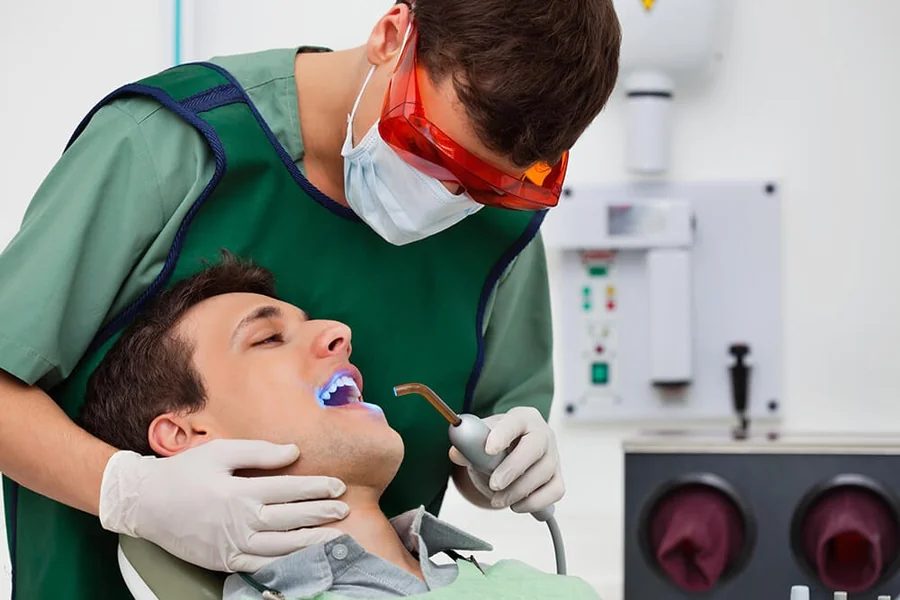
Sealants involve cleaning the tooth, placing a liquid coating, then using a curing light to harden it.
Both steps are painless. You can breathe and swallow normally. A child can watch or listen to music during the process. That kind of calm visit helps build trust and reduces fear for the next appointment.
3. Lower costs over time
Preventive care saves money. A fluoride treatment or sealant visit has a modest cost compared to the bill for fillings, crowns, or emergency care. Many dental plans cover these services for children. Some plans also cover them for adults at higher risk for decay.
The American Dental Association notes that fluoride use in community water and dental care reduces tooth decay and treatment needs.
Here is a simple cost comparison example. The numbers are estimates and can vary by clinic and region.
Over many years, fewer cavities mean fewer large bills. You also avoid missed school or work for urgent visits. That protects your budget and your schedule.
4. Better daily comfort and confidence
Healthy teeth affect more than your mouth. They touch how you eat, speak, and interact with others. When you can bite without pain, you eat a wider range of foods. That supports better nutrition and energy.
Fluoride and sealants help keep teeth smooth and strong. You reduce the risk of sharp edges, broken fillings, or dark spots that can cause shame or self doubt. Children who feel safe smiling often join in more at school. Adults who trust their smile may feel more at ease in job interviews or meetings.
Think about three simple gains.
You protect your ability to chew and enjoy food.
You reduce sudden toothaches that interrupt sleep or work.
You guard your smile, which supports social and emotional health.
What to expect at your next visit
You can ask your dentist or hygienist three direct questions.
Does my child or do I need fluoride treatment today
Which teeth would benefit from sealants
How often should we repeat these treatments
Your dental team can look at your risk for decay, your past history, and your daily habits. Then they can shape a plan that fits your mouth. Many people start fluoride and sealants in childhood. Adults with dry mouth, past cavities, or deep grooves can also gain strong benefits.
Routine care works better when you layer these protections with brushing, flossing, and smart food choices. Fluoride and sealants do not replace home care. Instead they back it up and reduce the damage from days when brushing is rushed or snacks are sticky.
You deserve teeth that last and a mouth that feels steady and secure. With regular fluoride and sealant treatments, you give yourself and your family that extra shield against decay, pain, and expense.
