

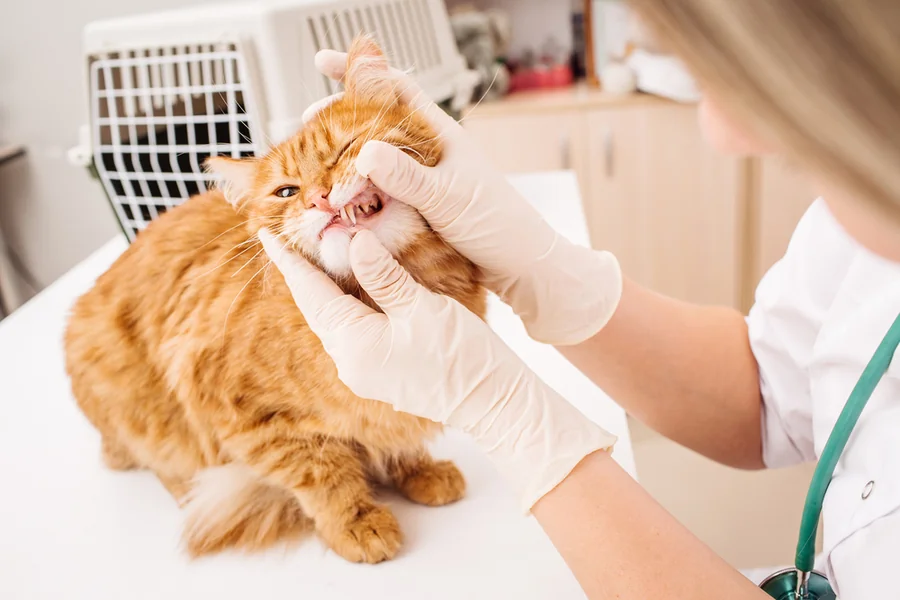
Your pet depends on you for comfort, safety, and a healthy mouth. Regular dental checkups at an animal clinic protect more than teeth. They protect the heart, kidneys, and daily quality of life. Many pets hide pain. You may not see a problem until chewing becomes hard or your pet stops eating. By then, the infection can spread. Routine dental visits catch silent disease early. They remove buildup, calm constant soreness, and prevent tooth loss. As a result, your pet eats with ease, sleeps better, and stays more active. If you visit an animal hospital in Cape Coral, you gain a clear plan for cleaning at home, safe professional care, and steady guidance as your pet ages. This blog explains four hard benefits of regular dental checkups, so you can act with confidence and protect your pet before trouble sets in.
1. Better whole body health
Dental disease is common in dogs and cats. The American Veterinary Medical Association explains that most pets show some dental disease by age 3. You can read more in their dental care guide at AVMA pet dental care. Infection in the mouth does not stay in the mouth. Bacteria can enter the blood and reach the heart, liver, and kidneys. That can shorten life and drain energy.
Regular dental checkups give your pet three clear gains.
- Lower risk of heart and kidney damage from chronic infection
- Cleaner gums that bleed less and hold teeth in place
- Fresher breath that makes daily contact less stressful for you
First, the vet checks gums, teeth, and tongue. Next, the team may use X-rays to see below the gum line. Then they clean away tartar that traps germs. This steady care cuts down the silent damage that you cannot see at home.
2. Less pain and better comfort
Animals rarely cry out from tooth pain. Instead, they eat more slowly, avoid hard food, or chew on one side. Some become withdrawn. Others grow more irritable. These signs can look like mood changes. In truth, they often signal chronic mouth pain.
Regular dental checkups help your pet by
- Finding cracked teeth before they rot
- Spotting infections under the gum
- Removing loose or dead teeth that cause constant soreness
Once the mouth is clean and treated, many pets show a quick change. They eat with more force. They play longer. They seek touch more often. That change is not sudden happiness. It is a relief. You remove a constant source of agony that your pet carried in silence.
3. Longer life and lower long-term costs
Routine dental care adds years of stronger life. It also saves money over time. A simple cleaning costs less than treating deep infection, broken jaws, or organ failure caused by chronic dental disease.
The chart below shows a simple comparison for a medium-sized dog. Numbers are examples and can vary by clinic. They show how regular care can reduce long-term cost and suffering.
| Care pattern | Typical dental visits over 10 years | Estimated dental cost over 10 years (USD) | Common health outcome
|
|---|---|---|---|
| No regular dental checkups | 0 to 1 emergency visit | 2,000 to 4,000 | Advanced gum disease, tooth loss, higher organ strain |
| Dental checkup every 2 years | 4 to 5 planned visits | 1,200 to 2,500 | Moderate gum disease, some tooth loss, fewer crises |
| Dental checkup every year | 8 to 10 planned visits | 1,600 to 3,000 | Mild gum changes, fewer extractions, stronger senior years |
First, regular checkups spread the cost into smaller steps. Next, they reduce surprise bills from emergencies. Then they protect your pet from sudden declines that need costly hospital stays. The Centers for Disease Control and Prevention explains that oral health is closely related to whole-body health in people. This same link appears in pets. You can see the human data at CDC oral health fast facts. That research supports the idea that clean mouths help protect organs and lengthen life.
4. Stronger daily habits at home
Clinic checkups work best when you support them at home. A vet team can teach you simple steps that fit your schedule. You learn what to watch for and how to act early.
Regular dental visits help you
- Choose safe toothbrushes and pastes made for pets
- Set a simple brushing routine three times a week
- Pick dental chews and toys that clean without hurting teeth
First, the vet shows you how to lift the lip and look at the gum line. Next, you learn the signs that need a call. These signs include red or swollen gums, dark buildup near the gums, loose teeth, a strong smell from the mouth, or blood on toys. Then you set reminders for checkups so care stays steady as your pet ages.
How to prepare for your pet’s dental checkup
You can make each visit smoother with a short plan.
- Write down any changes in eating, chewing, or breathing
- Bring a list of treats, food, and chews your pet uses
- Ask about blood work and X-rays that may be needed for safe anesthesia
Many clinics use anesthesia for dental cleanings. That keeps pets still and protects the airway from water and debris. If you feel afraid of anesthesia, speak with the vet. The team can explain risk and show how they monitor the heart, lungs, and temperature.
Taking the next step
Your pet cannot schedule a checkup or ask for relief. That power sits with you. Regular dental visits turn quiet harm into clear facts and clear action. They protect organs, ease pain, control costs, and support stronger habits at home.
Call your local animal clinic and ask when your pet last had a full dental exam under anesthesia. If it has been more than one year, set a date. Your pet gives you trust every day. Regular dental checkups are one direct way to honor that trust and protect the life you share.
