

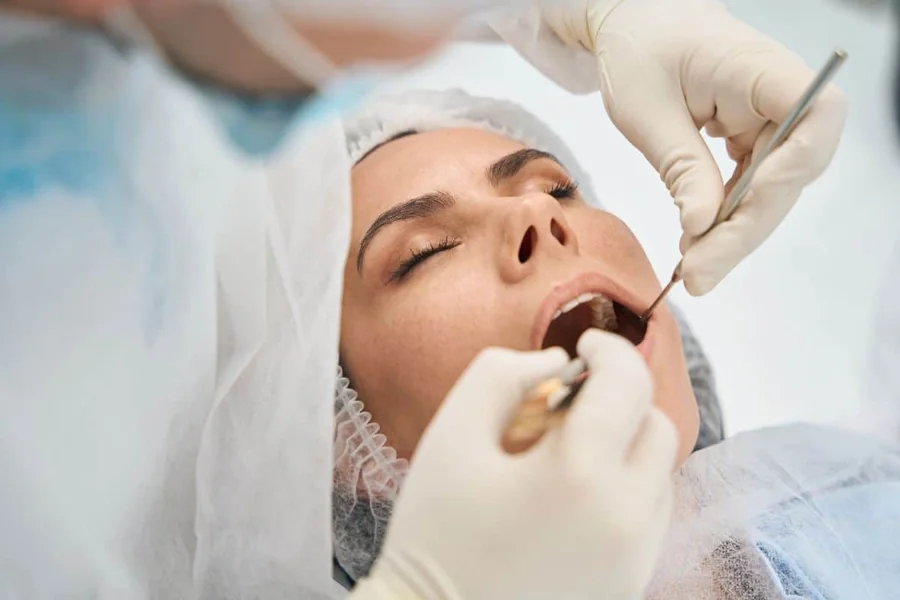
A healthy smile is vital for overall well-being. When dental issues arise, you need solutions that restore both function and appearance. Here, we outline four common restorative options available in general dentistry. Each option addresses specific needs and helps you regain confidence in your smile. Whether you’re dealing with a chipped tooth, missing teeth, or decay, these treatments offer effective results. A Juno Beach dentist can guide you through the process, ensuring you receive personalized care tailored to your situation. Bonding, fillings, crowns, and bridges are all essential tools in the dental toolkit. They offer practical solutions to everyday dental problems. Each treatment has its own unique benefits and can significantly improve your oral health. Understanding the basics of these options empowers you to make informed decisions. You’ll be armed with knowledge that can enhance your dental experience and support long-term oral health.
Dental Bonding
Dental bonding addresses minor imperfections such as chips or gaps. The dentist applies a tooth-colored resin and shapes it to blend with the tooth. The material hardens under a special light, restoring the tooth’s appearance. Bonding is quick, usually completed in one visit. It’s a cost-effective way to improve your smile.
However, bonding materials can stain over time and may need repair or replacement every few years. Despite this, bonding remains a popular choice for minor cosmetic fixes.
Fillings
Fillings repair teeth damaged by decay. The dentist removes the decay and fills the cavity with materials such as amalgam or composite. Fillings restore the tooth’s structure and stop further decay. The process is straightforward, and the filling typically lasts for many years.
Amalgam fillings are durable but visible, while composite fillings match your tooth color. Discuss these options with your dentist to determine the best choice for you.
Crowns
Crowns cover damaged or weakened teeth, providing protection and restoring function. Made from materials like porcelain or metal, crowns are custom-fitted. They offer long-lasting results, making them ideal for severe damage or decay.
The procedure involves two visits. First, the dentist prepares the tooth and takes an impression. At the second visit, the crown is placed and adjusted for comfort. Crowns offer strength and durability, crucial for repairing significant dental issues.
Bridges
Bridges replace missing teeth. They consist of artificial teeth anchored to adjacent natural teeth or implants. Bridges restore your smile and prevent neighboring teeth from shifting.
The procedure requires multiple appointments. The dentist prepares the anchoring teeth and takes impressions. Once the bridge is ready, it’s secured in place. Bridges improve function and appearance, offering a reliable solution for tooth loss.
Comparison Table
| Treatment | Purpose | Longevity | Cost |
|---|---|---|---|
| Bonding | Fix minor chips/gaps | 3-10 years | Low |
| Fillings | Repair cavities | 5-15 years | Moderate |
| Crowns | Strengthen damaged teeth | 10-15 years | High |
| Bridges | Replace missing teeth | 5-15 years | High |
Understanding these options is crucial for maintaining oral health. According to the Centers for Disease Control and Prevention, restorative dentistry plays a key role in preventing further dental issues. Each treatment offers a unique solution to specific problems.
Consulting with your dentist allows you to gain insights into the best restorative options for your needs. With professional guidance, you can choose a treatment that aligns with your oral health goals. For more detailed guidance, the National Institute of Dental and Craniofacial Research offers resources on maintaining dental health.
By understanding and utilizing these restorative treatments, you maintain a healthy, beautiful smile. Your dentist can help you evaluate and decide on the best approach for restoring your teeth. Armed with this knowledge, you are prepared to address dental issues confidently and effectively.
