

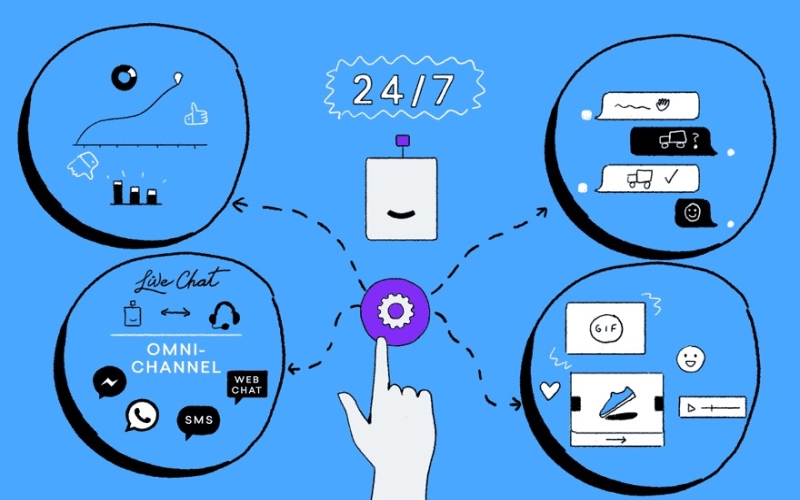
In today’s digital age, chatbots have become integral tools for businesses looking to improve customer service and engagement. These AI-powered assistants are available 24/7, offering instant support and information to users. However, not all chatbots are created equal, and designing one that truly enhances the customer experience requires careful planning and execution. Here are four tips to consider when designing chatbots to ensure they deliver exceptional customer experiences:
Understand Your Audience
Before diving into chatbot design, it’s crucial to have a deep understanding of your target audience. What are their preferences, pain points, and communication preferences? Conduct thorough market research and gather insights from customer feedback to identify common issues and questions. Moreover, look for the best chatbot examples in your niche and take notes on what you like about them. This information will help tailor your chatbot’s responses to meet the specific needs of your audience.
For example, if your target audience consists mainly of millennials who prefer casual language and emojis, your chatbot should reflect this tone in its interactions. On the other hand, if you’re targeting professionals in a corporate setting, a more formal tone may be appropriate. By understanding your audience, you can design a chatbot that resonates with them and enhances their overall experience with your brand.
Focus on Usability
The success of a chatbot hinges on its usability. Users should be able to interact with the bot seamlessly, without encountering any obstacles or confusion. Design your chatbot with simplicity and clarity in mind, ensuring that users can easily navigate through the conversation flow and find the information they need.
Consider implementing features such as clear menu options, natural language processing for understanding user input, and guided prompts to steer the conversation in the right direction. Avoid overwhelming users with too many choices or complex interactions, as this can lead to frustration and abandonment. Keep the user experience smooth and intuitive to maximize engagement and satisfaction.
Personalize the Experience
Personalization is key to creating memorable customer experiences, and chatbots offer a unique opportunity to deliver tailored interactions at scale. Leverage user data and previous interactions to personalize the chatbot experience for each individual user. This could include addressing the user by name, recommending products based on past purchases, or offering personalized assistance based on their preferences.
Additionally, allow users to customize their interactions with the chatbot by providing options to set preferences or choose from predefined settings. This not only enhances the user experience but also fosters a sense of control and ownership over the interaction. By personalizing the chatbot experience, you can create more meaningful connections with users and drive loyalty to your brand.
Continuously Improve and Iterate
The digital landscape is constantly evolving, and so should your chatbot. Monitor user interactions, gather feedback, and analyze data to identify areas for improvement. Use this information to refine your chatbot’s responses, enhance its functionality, and address any issues or pain points that arise.
Implementing an iterative approach to chatbot design allows you to adapt to changing user needs and preferences, ensuring that your chatbot remains relevant and effective over time. Regularly update your chatbot with new features, content, and improvements based on user feedback and performance metrics. By continuously striving for improvement, you can create a chatbot that consistently enhances the customer experience and drives positive outcomes for your business.
Additionally, as you strive to continuously enhance your chatbot’s capabilities and improve user experience, it’s crucial to find decentralized websites and explore them. These platforms offer unique opportunities for expanding your chatbot’s reach and functionality, tapping into diverse user communities and data sources while promoting privacy and autonomy.
Conclusion
In conclusion, designing chatbots that enhance customer experience requires a combination of audience understanding, usability focus, personalization, and continuous improvement. By following these tips and incorporating user feedback into your design process, you can create chatbots that not only provide valuable support and information but also foster meaningful connections with your audience.
