

Tooth decay affects many people, and understanding your options helps in making informed choices. Dental fillings stand as the go-to solution for repairing damaged teeth. In this blog, you learn about different types of dental fillings, the process involved, and how to care for these restorations. If you’re seeing a general dentist in Aurora, IL, this information becomes even more relevant. You deserve to know which materials might suit your needs and the steps taken during a filling procedure. Feeling anxious about dental visits is normal, but awareness and preparation ease concerns. You’ll also discover simple steps for keeping your fillings in top condition. Remember, taking care of your dental health now prevents bigger issues down the line. Understanding these basics opens doors to a healthier, confident smile. Let’s explore this crucial aspect of oral health care together. Your dental journey starts here, with the essentials you need.
Types of Dental Fillings
Understanding the types of dental fillings helps you choose what fits best. Dentists offer several options, each with its unique characteristics. Here’s a simple table to guide you:
| Type | Material | Durability |
| Amalgam | Metal alloy | 15 years or more |
| Composite | Resin and glass | 5 to 10 years |
| Ceramic | Porcelain | 15 years or more |
| Gold | Gold alloy | 20 years or more |
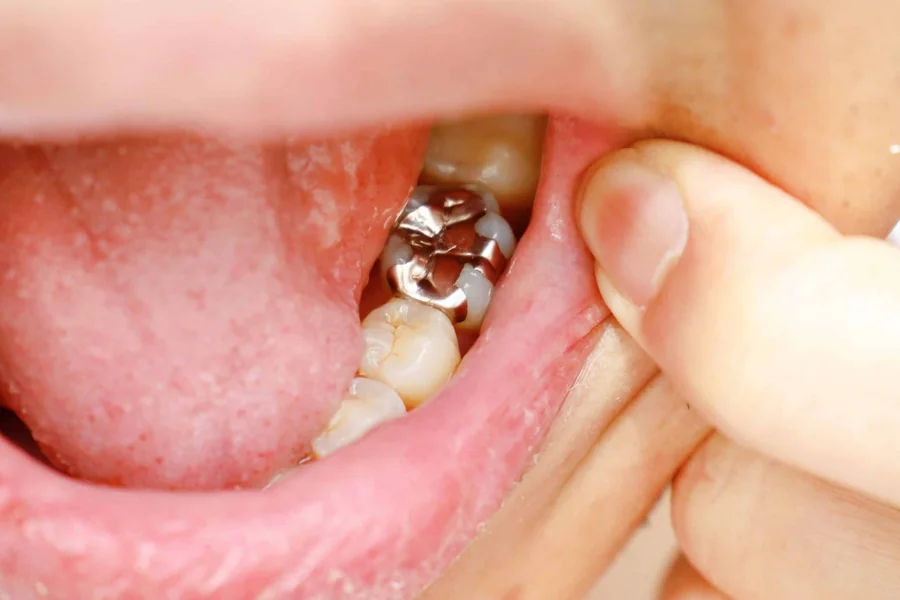
Amalgam fillings are strong and versatile but noticeable. Composite fillings blend well with natural teeth. Ceramic options last long and resemble tooth enamel. Gold fillings offer durability but at a higher cost. Discussing these choices with your dentist ensures the best match for your needs.
The Filling Process
The dental filling process is straightforward. You can expect these steps during a visit:
- Numbing: The dentist numbs the area around the affected tooth. This ensures comfort.
- Decay Removal: The decayed part of the tooth is removed. Your dentist uses special tools to achieve this.
- Filling: The cleaned cavity is filled with the material chosen. The dentist shapes it for a natural look.
- Polishing: Once you’re satisfied, the filling is polished to match your tooth.
These simple steps are usually completed in one visit. Being aware of the process helps reduce anxiety. You can find more detailed information about dental procedures from trusted resources like the Centers for Disease Control and Prevention.
Caring for Your Fillings
Proper care extends the life of your fillings. Follow these tips to keep them in good condition:
- Brush twice daily using fluoride toothpaste.
- Floss daily to prevent plaque build-up around the fillings.
- Avoid biting hard objects, which might damage the fillings.
- Visit your dentist regularly for check-ups and cleanings.
Taking these steps ensures your fillings last and prevent future decay. Regular dental visits catch any issues early, saving time and discomfort. The American Dental Association offers more insights on maintaining oral health.
Conclusion
Dental fillings restore damaged teeth, helping you maintain a healthy smile. Understanding your options and the filling process empowers you to make informed decisions. Whether you choose amalgam, composite, ceramic, or gold, knowing what to expect reduces worry. Caring for your fillings involves simple daily habits and regular dental visits. This effort keeps your dental health on track, preventing future problems. With this knowledge, you’re ready to take control of your oral health journey, armed with confidence and the right tools for a lasting, bright smile.
