

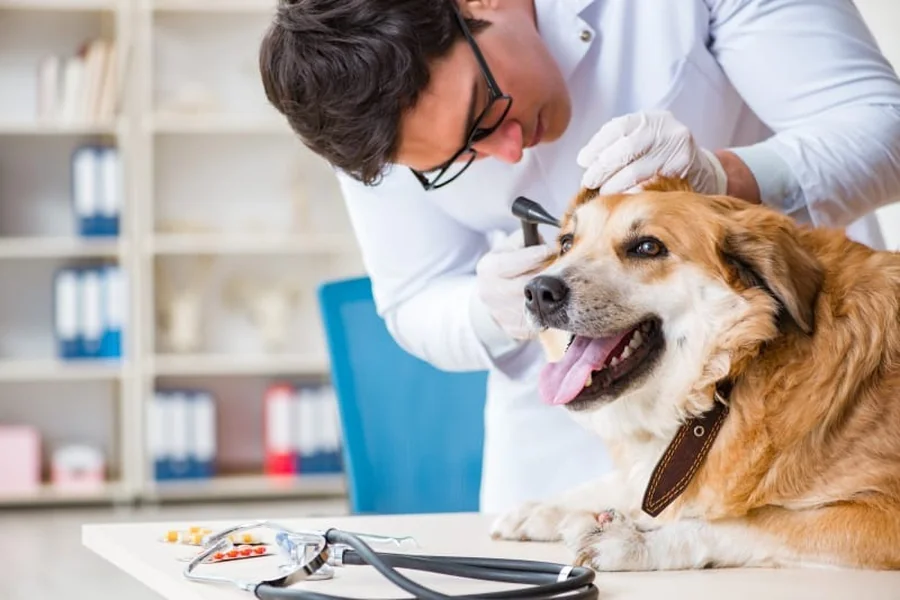
Your cat or dog depends on you to notice quiet changes. You see them every day, so slow shifts in weight, mood, or habits can slip past you. An annual exam gives a clear snapshot of your pet’s health. It also catches hidden problems early, when treatment is easier and less harsh. During a yearly visit, a veterinarian checks eyes, ears, teeth, skin, heart, and joints. Blood work and other simple tests can uncover kidney disease, diabetes, or infection long before clear signs show. Early care often means less pain, fewer crises, and lower costs over time. If you see a trusted veterinarian in Temperance each year, you build a record of your pet’s normal health. That record guides every future decision. Your pet cannot speak. An annual exam is the voice that protects their comfort, energy, and quiet joy at home.
Why yearly exams matter even for “healthy” pets
Many pets look healthy on the surface. They still eat, play, and greet you. Yet quiet disease grows inside many cats and dogs long before clear signs appear. The American Veterinary Medical Association explains that pets age faster than humans. One year for a pet can equal several years for you. Problems move fast.
During a yearly exam, the doctor can:
-
Spot heart murmurs before heart failure begins
-
Catch dental disease before teeth loosen or fall out
-
Find weight gain or loss tied to thyroid or kidney trouble
Each of these issues can grow quiet and strong for months. You may only notice when your pet hurts, stops eating, or hides. By then, treatment can be harder and harsher.
What happens during an annual exam
The visit is simple. It focuses on three core checks.
-
History. You share changes in eating, drinking, bathroom habits, sleep, or behavior.
-
Physical exam. The doctor looks, listens, and feels for changes from nose to tail.
-
Tests. Simple blood, urine, and stool tests look inside the body.
Here is a common checklist for a healthy adult pet exam.
How annual exams change with age
Your pet’s needs shift with time. The U.S. Food and Drug Administration notes that older pets often need closer watch because of chronic disease risk. You can use one simple guide.
Young pets need steady vaccines and parasite control. Adult pets need a strong focus on weight and teeth. Senior pets need screening that looks for cancer, organ failure, and pain in joints.
Preventing pain and sudden crises
Annual exams do more than find disease. They prevent suffering. Many crises start from slow problems that no one caught early.
-
A small tooth infection that reaches the jawbone
-
A tiny lump that grows into a large cancer
-
Quiet kidney disease that reaches failure
Early care can stop these from turning into late-night emergencies. You avoid rushed trips, high bills, and fear. Most of all, your pet avoids long pain that could have been shorter.
Planning vaccines and parasite control
Your doctor uses the annual exam to plan vaccines based on risk. Not every pet needs the same shots. A house cat needs a different plan than a hunting dog. The visit also covers heartworm, flea, and tick prevention. These parasites spread diseases that can shorten life. A simple pill or topical product can protect your pet all year.
Building a health record for life
Each exam adds to your pet’s health story. Weight, lab results, and notes from prior visits show patterns. The doctor can compare this year to last year. That pattern shows slow changes that one visit alone may miss. With a full record, treatment choices become clear and fast.
How to get the most from each visit
You can help your pet get strong value from each exam. Use three simple steps.
-
Write down questions about behavior, food, or bathroom habits
-
Bring a list of all medicines, supplements, and treats
-
Share any changes at home, such as new pets, moves, or stress
Honest details help the doctor find early warning signs and tailor care to your home.
Taking the next step
If your pet has not had an exam in the last year, schedule one soon. Do not wait for limping, vomiting, or sudden weight loss. By the time you see those signs, the disease may already be strong. A yearly exam protects the quiet daily moments you share. That includes the soft purr on your lap and the calm sigh at your feet. Those moments rest on health. Annual exams guard health with a steady, careful watch.
