

Radiology helps you see what your pet cannot explain. When your dog limps or your cat stops eating, you need clear answers, not guesses. X rays, ultrasound, and other imaging tools show what is happening inside your pet’s body. They guide treatment. They shorten suffering. They protect you from long periods of doubt. At a Pet hospital in Carmichael ca, radiology supports every step of care, from first exam to follow up. It helps find broken bones, swallowed objects, tumors, and hidden infections. It also checks the heart, lungs, and belly organs with steady accuracy. You gain facts that you can trust. You and your care team can then choose the right plan. Radiology does not replace a physical exam. It strengthens it. Together, they give your pet a better chance at relief and a steady return to normal life.
What Radiology Means For Your Pet
Radiology is a group of tools that create pictures of the inside of the body. You see bones, organs, and soft tissue in a clear, structured way. You do not need surgery to look inside. This protects your pet from extra pain and risk.
Common imaging tools include three main types.
- X rays
- Ultrasound
- Advanced scans such as CT and MRI
Each tool answers different questions. Together, they give a full picture of your pet’s health.
Common Radiology Tools In Pet Care
You see three core tools in most animal hospitals. Each has a clear role.
| Tool | What it shows | Typical uses
|
|---|---|---|
| X ray | Bone and chest detail | Fractures, joint problems, lung disease, swallowed objects |
| Ultrasound | Soft tissue and fluid | Heart function, belly organs, bladder stones, pregnancy |
| CT or MRI | Layered 3D views | Head injury, spinal pain, complex tumors, sinus disease |
First, X-rays use a short exposure to show the bone and chest shape. The image is quick. The result guides urgent choices during accidents or sudden illness.
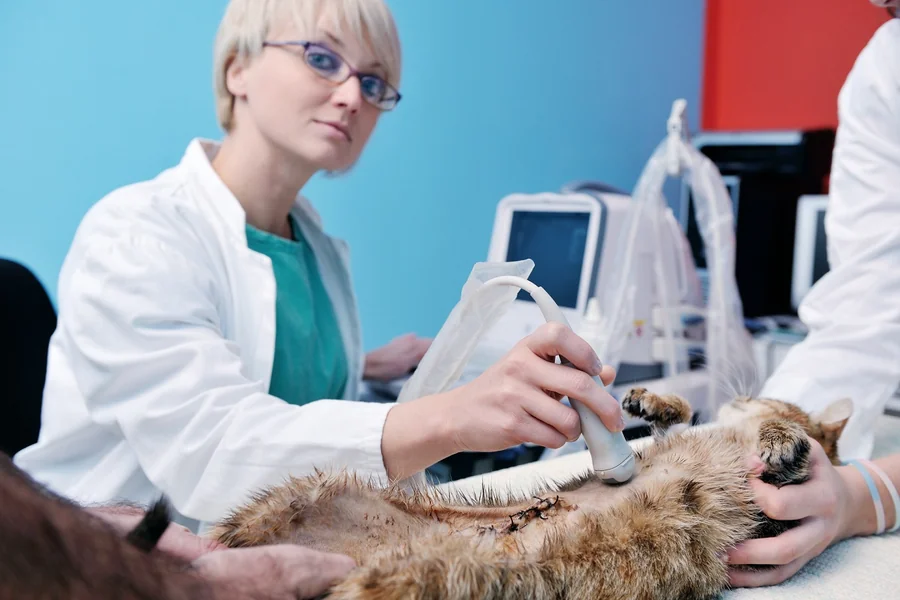
Next, ultrasound uses sound waves. A small probe glides on the skin with gel. It shows moving images of organs in real time. This helps with heart checks and belly pain.
Finally, CT and MRI give stacked images. They are used when the problem hides in the brain, spine, or deep tissues. These scans often need stronger sedation or anesthesia.
How Radiology Helps With Common Pet Problems
Many common pet problems cannot be solved by touch alone. Radiology fills that gap.
- Limping or sudden lameness
- Breathing trouble or coughing
- Ongoing vomiting or weight loss
- Seizures or sudden behavior change
- Straining to pee or blood in urine
For a limping dog, X-rays can show a fracture, joint wear, or a bone infection. This changes treatment from rest to surgery or medicine.
For a cat with breathing trouble, chest X-rays can show fluid, asthma, or heart failure signs. This directs oxygen care, medicines, or referral.
For a pet with belly pain, an ultrasound can show a blocked bowel, an enlarged liver, or a mass. The image guides surgery timing and scope.
Radiology, Safety, And Sedation
Radiology uses energy. You may worry about safety. That concern is honest and common. The dose from a small number of X-rays is low. Staff use shields and strict rules to keep exposure as low as possible.
The U.S. Environmental Protection Agency explains radiation basics and safety in clear terms on its radiation basics page. Animal hospitals use the same core safety ideas. They limit the dose. They use shields. They keep records of exposure.
Some pets need sedation. This is common when the pet is in pain, scared, or cannot stay still. Stillness gives a clear image. Your care team weighs sedation risks against the risk of missing a serious problem. You have the right to ask about the plan, the drugs, and monitoring.
What To Expect During Your Pet’s Imaging Visit
You can prepare for a calmer visit with three simple steps.
- Bring a list of your pet’s medicines and past problems
- Follow fasting instructions if sedation is planned
- Ask who will contact you and when about results
First, check in and share your pet’s history. Clear facts help the care team choose the right test.
Next, your pet goes to the imaging room. For X-rays, the staff places your pet in safe positions. For ultrasound, they may shave a small patch of fur and apply gel.
Finally, a veterinarian or radiologist studies the images. Some results are ready the same day. Others need review by a board-trained radiologist. You then talk about findings, options, and cost. You should leave with three things. You need a clear diagnosis or next step. You need a treatment plan. You need warning signs that should trigger a return visit.
Using Radiology To Track Treatment
Radiology does not end with diagnosis. It also tracks progress. Repeat X-rays can show how a bone heals. A heart ultrasound can show if medicines reduce heart strain. Chest images can confirm that pneumonia has cleared.
This follow-up protects your pet from a quiet decline. It also prevents unneeded long term medicine when the body has healed.
When You Should Ask About Imaging
You do not need to wait for a suggestion. You can ask three simple questions.
- Could imaging change the plan today
- What are the risks if we wait
- Are there lower cost options that still give useful answers
If your pet’s pain is severe, breathing is hard, or symptoms last more than a few days, imaging is often the next right step. Trust your concern. Long suffering without answers drains you and your pet.
Radiology As A Partner In Your Pet’s Care
Radiology gives you images that tell the truth about your pet’s body. It shortens guesswork. It supports faster relief. It turns fear into a plan. When used with a careful exam and clear talk, it becomes a steady partner in your pet’s care and recovery.
