

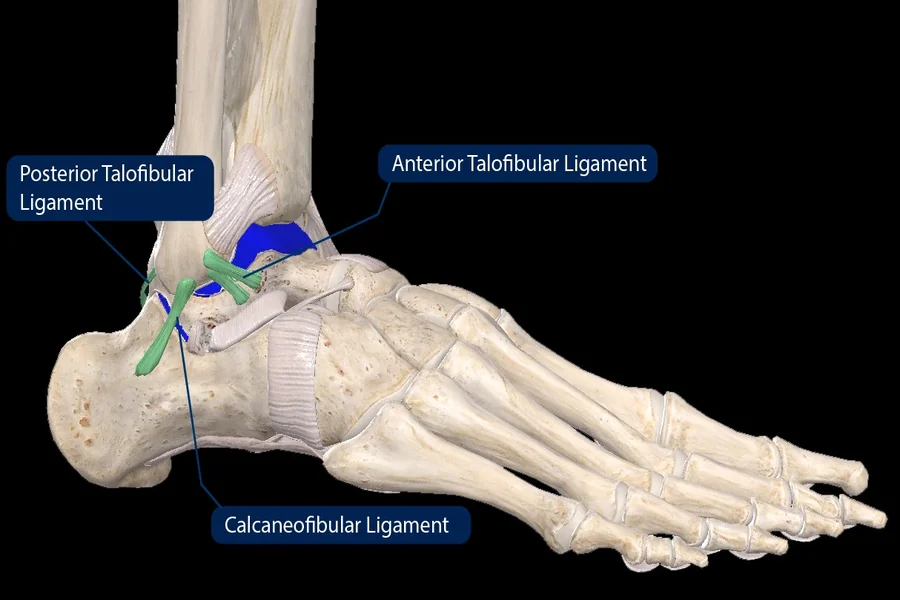
Ankle injuries are one of the most common musculoskeletal problems seen in everyday life. Whether during sports, walking on uneven roads, gym workouts, or even a simple misstep while climbing stairs. Most ankle injuries involve ligament damage as well as proper support during recovery plays a major role in preventing long-term instability.
Understanding how ligament injuries occur and how an ankle binder belt or ankle support helps can make recovery safer as well as faster.
What Are Ligaments and Why Are They Important?
Ligaments are strong tissues that connect bones and keep joints stable.
In the ankle, ligaments do all these:
- Keep the joint aligned
- Control excessive movement
- Prevent twisting injuries
- Maintain balance during walking and running
The ankle relies heavily on ligament stability because it constantly bears body weight while adapting to movement.
Common Ankle Ligament Injuries
Most ankle ligament injuries happen due to sudden twisting or rolling of the foot, medically called an ankle sprain.
Frequently Injured Ligaments
- Lateral ankle ligaments (outer side)
- Medial ligaments (inner ankle)
- Syndesmotic ligaments (high ankle region)
The outer ligaments are injured most often when the foot turns inward unexpectedly.
Grades of Ligament Injury
Support requirements increase as injury severity increases.
| Injury Grade | Ligament Damage | Symptoms |
| Grade 1 | Mild stretch | Pain, minimal swelling |
| Grade 2 | Partial tear | Swelling, bruising, difficulty walking |
| Grade 3 | Complete tear | Severe pain, instability, inability to bear weight |
Signs of an Ankle Ligament Injury
You may have ligament involvement if you notice:
- Sudden ankle pain after twisting
- Swelling around ankle joint
- Bruising within 24–48 hours
- Difficulty standing or walking
- Feeling that ankle may “give way”
- Reduced range of motion
Persistent instability after injury often indicates incomplete healing.
Why Proper Support Is Necessary After Ligament Injury
After a ligament injury, joint stability temporarily decreases because damaged tissues cannot control movement effectively.
Without support, it generally happens:
- Repeated micro-twisting may occur
- Healing ligaments get overstressed
- Recovery time increases
- Risk of chronic ankle instability rises
External ankle support helps protect healing tissues during movement.
Role of an Ankle Binder Belt
An ankle binder belt provides adjustable compression as well as stabilization.
How It Helps
- Compression Control
Reduces swelling by improving circulation and limiting fluid accumulation. - Movement Restriction
Prevents the foot or joint from turning too far inward or outward which totally reduces reinjury risk. - Joint Awareness
Enhances proprioception, your brain better senses ankle position. - Pain Reduction
Added stability helps relieve stress on healing ligaments. - Confidence During Walking
Patients often walk more naturally when instability fear reduces.
When to Use Ankle Support
An ankle support or binder is helpful during:
- Acute ankle sprain recovery
- Return to walking after injury
- Sports rehabilitation
- Gym training post-sprain
- Long standing or work shifts
- Previous ankle instability
Athletes frequently use ankle supports while transitioning back to activity.
Acute Injury Management: The First Phase
During the first 48 hours, follow the protection approach:
Rest – Avoid weight-bearing if painful
Ice – 15–20 minutes every few hours
Compression – Use ankle binder support
Elevation – Keep ankle above heart level
Compression from support plays a key role in controlling swelling.
Support Solutions Across Recovery Stages
As recovery advances, the type as well as level of support should gradually adapt.
| Recovery Stage | Recommended Support |
| Acute swelling phase | Elastic ankle binder |
| Early walking phase | Adjustable ankle support |
| Rehabilitation phase | Support during activity |
| Return to sports | Stabilizing ankle brace |
| Prevention stage | Activity-based support |
Ultimately, if you combine proper external support with guided rehabilitation ensures safer recovery, improved ankle stability as well as a more effective return to normal function.
Can Ankle Supports Prevent Future Injuries?
Yes, especially if you are dealing with prior sprains.
Repeated ankle sprains often occur because ligaments heal in a slightly stretched position. External support helps make up for reduced stability during risky movements or activities.
Preventive use is quite common in:
- Basketball
- Football
- Running
- Trekking
- Gym training
Common Mistakes During Ligament Injury Recovery
- Returning to sports too early
- Ignoring mild swelling
- Walking without support in early recovery
- Wearing overly tight supports
- Avoiding rehabilitation exercises
Support works best alongside strengthening exercises.
Exercises That Complement Ankle Support
Once pain reduces, rehabilitation focuses on:
- Ankle range-of-motion exercises
- Calf strengthening
- Balance training
- Single-leg stability drills
These restore muscle control as well as reduce dependency on external support.
How Long Should an Ankle Binder Be Worn?
General guidance include all these:
- During walking or activity in early recovery
- Removed during rest or sleep
- Gradually reduced as strength improves
Long-term continuous use without exercise may weaken supporting muscles.
When Medical Evaluation Is Necessary
Seek professional care if you have been dealing with the following:
- Severe swelling or deformity occurs
- Pain prevents weight bearing
- Numbness or tingling develops
- Symptoms persist beyond 1–2 weeks
- Repeated ankle sprains occur
Some ligament tears may require advanced treatment or immobilization.
Long-Term Joint Protection Strategy
Effective ligament recovery involves all these:
- Timely ankle support
- Controlled movement
- Strength rehabilitation
- Proper footwear
- Gradual return to activity
The goal is not just pain relief but restoring stable, confident movement.
Tips for Safe Return to Daily Activities After an Ankle Injury
Returning to normal activity too quickly is one of the most common causes of recurring ankle problems. Recovery should progress gradually.
Follow a Stepwise Approach
Start With Pain-Free Movement
Walking should begin only when weight bearing totally causes minimal discomfort.
Use Support During Activity
An ankle binder or support should be worn during walking, exercise, or prolonged standing in early recovery.
Rebuild Strength First
Focus on strengthening calf muscles and ankle stabilizers before resuming sports or intense workouts.
Improve Balance and Coordination
Balance exercises help restore proprioception that totally reduces the chance of future sprains.
Increase Activity Gradually
Make sure not to do sudden running, jumping, or directional changes until stability fully returns.
Listen to Warning Signs
Swelling, pain, or instability after activity indicates the ankle needs additional rest or support.
A gradual and supported return to activity helps restore confidence while protecting healing ligaments.
Key Takeaway
Ligament injuries significantly affect ankle stability by weakening the structures responsible for maintaining proper joint alignment as well as control. When these supporting ligaments are stretched or torn, the ankle becomes vulnerable to pain, swelling, instability, and repeated sprains. In such cases, appropriate external support totally becomes an essential part of the recovery process.
An ankle binder belt or structured ankle support helps by providing controlled compression and stabilization to the injured joint. This support helps limit excessive or harmful movements and protects healing ligaments from additional strain. Also, it assists in reducing swelling by improving circulation. At the same time, it allows patients to maintain safe as well as functional mobility during daily activities without placing undue stress on the recovering tissues.
