

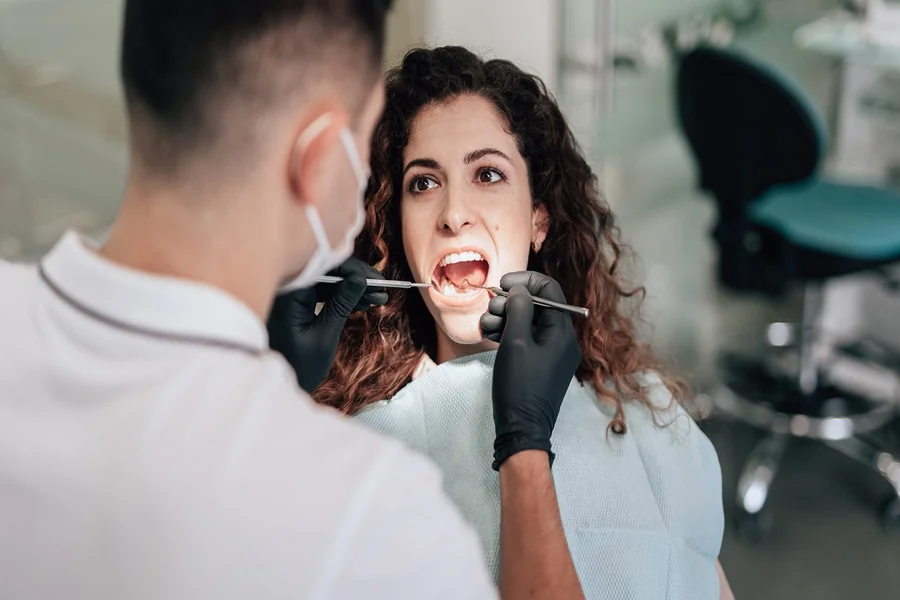
You work hard for your smile. You pay for cleanings, fillings, whitening, or even dental implants in Springfield. That money and effort should last. Preventive dentistry protects what you already fixed. It keeps small problems from turning into new bills, new pain, and new time off work. Regular checkups, cleanings, and simple home care stop decay and gum infection before they spread. They also protect crowns, bridges, and implants from early failure. Every cavity you avoid is one less shot, one less drill, and one less surprise cost. Every strong tooth you keep reduces how much you spend later. This blog explains how routine care guards your mouth, lowers long term costs, and keeps your smile steady through the years. You deserve clear facts, simple steps, and honest guidance that respects your time and your wallet.
How Preventive Dentistry Protects Your Mouth
Preventive dentistry means regular habits that keep teeth and gums strong. You do some of it at home. Your dental team does the rest.
You protect your smile through three simple steps.
- Daily brushing and flossing
- Routine professional cleanings and exams
- Early treatment for small problems
Each step cuts risk. You remove plaque before it hardens. You catch decay before it reaches the nerve. You control gum infection before it destroys bone. You save natural teeth and every repair you already paid for.
Why Prevention Costs Less Than Repair
Tooth problems grow fast. A small cavity can turn into nerve damage. A little bleeding from the gums can turn into bone loss and loose teeth. Each stage costs more money and more time.
Typical Path Of Tooth Decay And Relative Cost
| Stage | Common Treatment | Relative Cost | Time And Impact
|
|---|---|---|---|
| Early enamel decay | Fluoride, sealant, small filling | Low | Short visit. Little or no pain. |
| Deep cavity | Large filling or crown | Medium | Longer visit. Numbing. Tooth structure lost. |
| Nerve infection | Root canal and crown | High | Several visits. More pain. Higher stress. |
| Tooth loss | Implant, bridge, or denture | Very high | Many visits. Bite changes. Bone loss risk. |
Routine cleanings and exams cost much less than root canals, crowns, or implants. You also avoid missed work, school absences, and sleepless nights from tooth pain.
Protecting Fillings, Crowns, And Bridges
Restorations are not permanent. You can crack a filling. You can break a crown. You can trap decay under a bridge. Preventive care slows all of this.
You protect old work when you
- Brush twice a day with fluoride toothpaste
- Floss around and under bridges
- Use a night guard if you grind your teeth
- Limit sugar and constant snacking
- Keep regular exams so your dentist checks for tiny leaks
Early repair of a worn filling costs less than waiting for a fracture. Timely polishing of a rough crown edge prevents gum irritation. You avoid sudden breaks that force rushed treatment.
Why Implants Need Preventive Care Too
Implants feel strong. You might think they cannot fail. That belief is false. Implants can lose bone support when plaque and bacteria build up around them.
Gum infection around an implant is called peri-implant disease. It often starts with redness and bleeding. It can end with implant loss. The National Institute of Dental and Craniofacial Research explains how gum infection destroys bone and raises the risk of tooth loss.
You protect implants when you
- Brush around the implant crown and gum line
- Floss or use special brushes between implants and nearby teeth
- Schedule regular cleanings with a team trained to clean implants
- Stop smoking, which raises implant failure risk
Strong daily care helps your implant last for many years. That protects one of the largest dental expenses you may ever face.
Preventive Dentistry For Children And Teens
Children build habits that last. Early preventive care guards their teeth now and lowers their risk of major repairs as adults.
You support your child when you
- Help with brushing until at least age 7
- Limit juice, soda, and sticky snacks
- Ask about sealants on back teeth
- Use a mouthguard for contact sports
The Centers for Disease Control and Prevention reports that sealants on permanent molars can prevent most cavities in those teeth for many years.
Strong teeth in childhood reduce the need for root canals, extractions, and implants later. That protects both your child and your budget.
Daily Habits That Protect Your Investment
You control more than you may think. Three simple habits protect your smile and your wallet.
- Brush twice a day for two minutes with fluoride toothpaste
- Floss once a day to clean between teeth and under the gums
- Schedule dental checkups at least twice a year or as advised
Then add smart choices.
- Drink water instead of sugary drinks
- Chew sugar-free gum after meals when you cannot brush
- Say yes to X-rays when your dentist needs them to see hidden problems
These steps take minutes. They save hours in the dental chair and many surprise bills.
When You Should Call The Dentist
Do not wait for severe pain. Call when you notice
- Bleeding when you brush or floss
- Sensitivity to hot, cold, or sweets
- Chips, cracks, or rough edges on teeth or fillings
- Loose crowns, bridges, or dentures
- Bad breath that does not clear with brushing
Early visits keep problems small. They protect your natural teeth, your dental work, and your peace of mind.
Protect What You Already Paid For
You already invested money, time, and courage in your smile. Preventive dentistry guards that investment. It keeps teeth strong, gums healthy, and past treatments stable. It lowers future costs and reduces fear and shame that often follow avoidable dental problems.
Start today. Keep your regular checkups. Brush and floss every day. Pay attention to small changes. You protect your smile. You protect your budget. You protect your health.
