

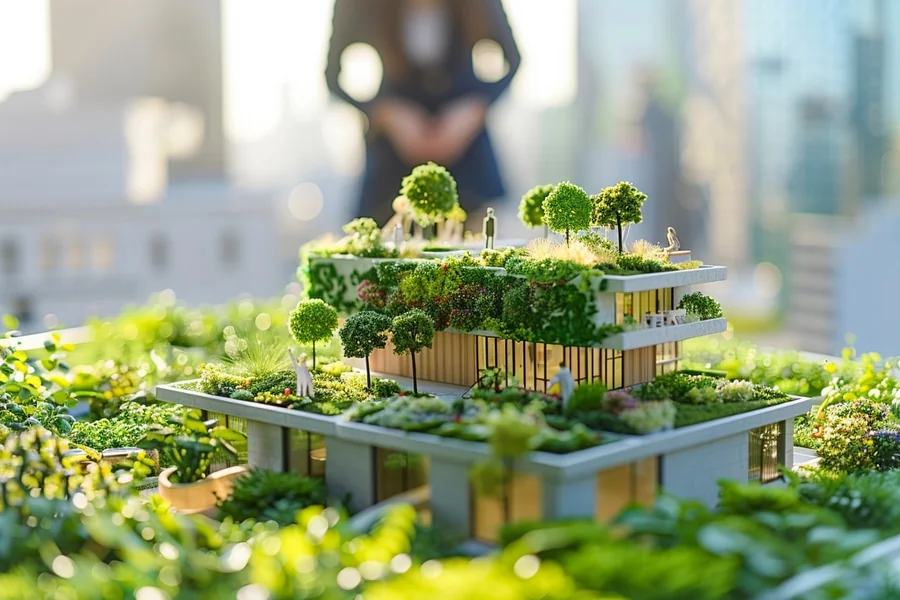
Creating sustainable urban environments is more important than ever as cities around the world face the dual pressures of population growth and climate change. Thoughtful, strategic planning is crucial to ensuring that urban spaces serve both the planet and their communities for generations to come. One of the most effective ways to achieve this balance is to embrace integrated site planning services that prioritize environmental stewardship, economic viability, and community needs. By uniting these core elements, urban spaces can evolve in ways that not only mitigate negative impacts but also provide thriving, resilient neighborhoods.
Site planning is a multidisciplinary effort that considers the community’s physical, social, and economic fabric. It requires collaboration among urban designers, architects, planners, and residents and is informed by a blend of science, policy, and creativity. When done effectively, site planning can transform underutilized spaces into vibrant community hubs, reduce urban sprawl, and protect critical ecosystems.
In today’s cities, successful site planning incorporates green infrastructure, emphasizes mixed-use layouts, and values public participation. Projects that involve residents and stakeholders from the outset are more likely to deliver lasting benefits and maintain local character, which is essential to long-term sustainability. Case studies from cities across the globe can provide real-world insights into methods and outcomes, offering lessons for planners everywhere.
As urban environments continue to grow and evolve, recognizing the importance of sustainable site design becomes vital for both current and future generations. With innovative solutions and proactive engagement, cities can develop in harmony with nature while meeting the needs of all their residents.
Principles of Sustainable Site Planning
At its core, sustainable site planning revolves around balance and respect for natural and human systems. The key principles include:
- Environmental Preservation: Safeguarding natural habitats, conserving biodiversity, and reducing the impact of development on the ecosystem. This includes minimizing landscape alterations and prioritizing the protection of existing vegetation and water bodies.
- Resource Efficiency: Efficient use of water, energy, and construction materials helps decrease a project’s carbon footprint and contributes to long-term savings. Emphasizing renewable energy sources and recycled or locally sourced materials is also an important strategy.
- Community Well-being: Spaces designed for accessibility, safety, and inclusivity foster a sense of belonging while encouraging healthy social interaction and activity.
- Economic Viability: Sustainable urban design must also make financial sense. This means supporting local economies and ensuring that investments align with long-term community interests.
Incorporating Green Infrastructure
Green infrastructure is a cornerstone of modern site planning, providing measurable benefits for cities facing environmental stress. By introducing natural elements and systems into urban landscapes, planners can combat the effects of urban heat, air pollution, and flooding. Examples include:
- Green Roofs and Walls: These features help to insulate buildings, reduce heating and cooling demands, and improve overall air quality.
- Permeable Pavements: By allowing water to pass through surfaces, permeable pavements help reduce stormwater runoff, replenish groundwater, and decrease the likelihood of urban flooding.
- Urban Forestry: Trees not only provide shade and improve air quality but also enhance urban biodiversity and contribute to mental and physical well-being.
Many cities now incorporate these elements into their planning requirements, thereby improving resilience and quality of life.
Mixed-Use Development and Walkability
The trend toward mixed-use developments represents a shift away from rigid zoning toward greater land-use flexibility. Combining residential, commercial, and recreational spaces in close proximity supports walkability, reduces reliance on cars, lowers a community’s carbon emissions, and encourages healthier lifestyles. Walkable neighborhoods are also associated with increased property values and greater economic activity, which benefits both residents and businesses. These qualities help transform neighborhoods into vibrant, cohesive communities where people can live, work, and play with ease.
Community Engagement in Planning
Authentic community engagement is a critical factor in the success of sustainable site planning efforts. Involving residents, business owners, and local organizations in the decision-making process yields outcomes that reflect local needs and aspirations. Techniques such as town hall meetings, participatory mapping, and surveys allow for meaningful input and foster a sense of ownership among stakeholders. Effective engagement not only improves community satisfaction but also helps to anticipate challenges and avoid opposition later in the project lifecycle.
Case Studies of Sustainable Urban Development
Across the globe, successful sustainable developments provide instructive examples for future growth.
- Boston’s Enterprise Research Campus: Boasting a forward-thinking, decades-long vision, Boston’s Enterprise Research Campus integrates business, research, and science within a flexible and collaborative framework. Its thoughtfully designed public spaces and mixed-use character set a benchmark for resilient, inclusive growth.
- Kō‘ula in Ward Village: Kō‘ula, the sixth mixed-use residential tower in Ward Village, exemplifies progressive design and a strong sense of place. This development integrates residential spaces with public areas, fostering a vibrant community atmosphere.
Challenges and Solutions
Implementing sustainable site planning does not come without challenges. Regulatory complexities, limited funding, and stakeholder opposition often pose significant barriers. However, targeted strategies can provide effective solutions:
- Policy Support: Aligning local regulations with sustainability goals ensures that environmentally responsible development is prioritized.
- Public-Private Partnerships: Collaborative efforts between governments and private firms can marshal resources and expertise, making ambitious projects feasible.
- Education and Advocacy: Persistent public awareness campaigns and advocacy efforts help communicate the benefits of sustainable urban development, building crucial support at all levels of the community.
Conclusion
Sustainable urban development is achievable when site planning is approached holistically and with a long-term perspective. By integrating sustainability principles, leveraging green infrastructure, fostering walkable, mixed-use communities, and prioritizing authentic community engagement, cities can adapt to future challenges while enhancing residents’ quality of life. Learning from past successes and continuing to innovate will ensure urban areas remain vibrant, resilient, and responsible stewards of the environment.
