

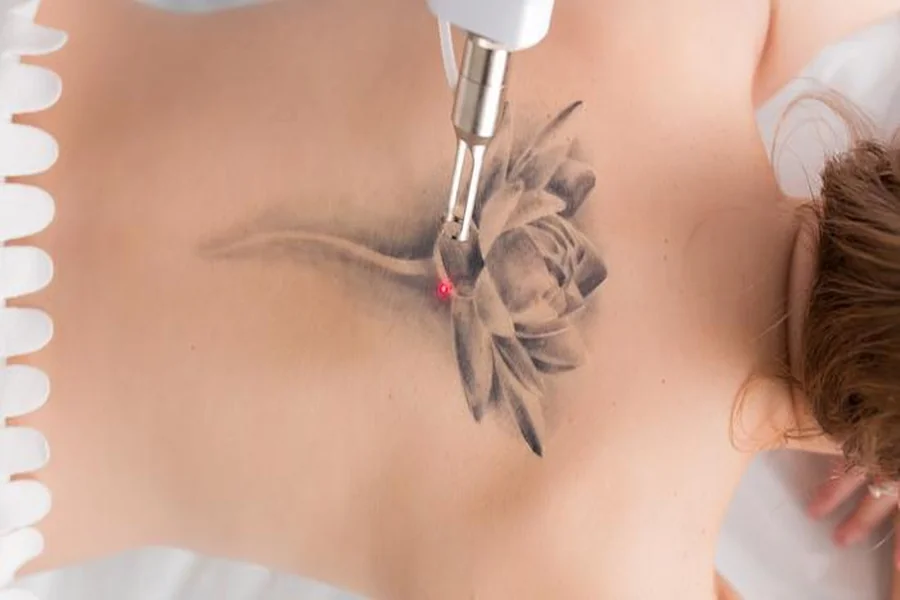
So you got inked during a wild weekend in your twenties, and now that butterfly tramp stamp or your ex’s name isn’t quite fitting your current vibe. Don’t worry – you’re definitely not alone. Millions of people regret at least one of their tattoos, and the good news is that removing unwanted ink has never been more accessible or effective than it is today.
Whether you’re looking to completely erase a tattoo or just fade it enough for a cover-up, understanding your options is the first step toward reclaiming your skin. This guide will walk you through everything you need to know about the tattoo removal process, from the different methods available to what you can expect during treatment.
Understanding Why Tattoos Are Permanent (And Why That Matters)
Before diving into removal methods, it helps to understand why tattoos stick around in the first place. When you get tattooed, ink particles are deposited deep into your dermis, the second layer of your skin. Your immune system recognizes these particles as foreign invaders and tries to remove them, but the ink particles are simply too large for your white blood cells to break down and carry away.
This is exactly why tattoo removal isn’t as simple as applying a cream or having a single treatment. The process requires breaking those large ink particles into smaller pieces that your body can actually eliminate naturally. The more you understand this basic concept, the better you’ll be able to evaluate different removal options and set realistic expectations.
Laser Removal: The Gold Standard Treatment
Laser tattoo removal has become the most popular and effective method for getting rid of unwanted ink. The technology uses concentrated light beams that target the tattoo pigment without damaging the surrounding skin. Different laser wavelengths are used for different ink colors, which is why working with experienced professionals matters so much.
During a laser treatment session, the laser breaks up the ink particles into tiny fragments. Your lymphatic system then flushes these fragments out of your body over the following weeks. Most tattoos require multiple sessions spaced several weeks apart to achieve complete removal. The number of sessions you’ll need depends on factors like the tattoo’s size, color, age, and depth.
Modern laser technology has come a long way, with newer systems like PicoSure and PicoWay offering faster results with less discomfort than older methods. These advanced lasers use ultra-short pulses to shatter ink particles more effectively.
What to Expect During the Removal Process
Let’s be honest – laser tattoo removal isn’t exactly comfortable, but most people describe it as similar to getting the tattoo in the first place. Many clinics offer numbing options like topical anesthetics or cooling devices to minimize discomfort during treatment.
Each session typically lasts anywhere from a few minutes to half an hour, depending on the tattoo’s size. Afterward, you might experience redness, swelling, and blistering, which are all normal parts of the healing process. Proper aftercare is crucial for optimal results and preventing complications like scarring or infection.
You’ll need to wait at least six to eight weeks between sessions to give your body time to flush out the broken-down ink particles and for your skin to heal properly. Patience is key here – rushing the process won’t speed up your results and could actually damage your skin.
Choosing the Right Removal Specialist
Not all tattoo removal services are created equal. When searching for treatment, look for certified professionals who use FDA-approved lasers and have extensive experience with different skin types and ink colors. If you’re in Texas, consulting with tattoo removal experts in Houston can provide you with access to some of the most advanced technology and experienced practitioners in the region.
Don’t be afraid to ask questions during your consultation. A reputable specialist should be transparent about expected results, potential risks, and realistic timelines. They should also conduct a thorough assessment of your tattoo and skin type before recommending a treatment plan.
Alternative Removal Methods to Consider
While laser removal is generally the most effective option, some people explore alternatives like surgical excision for very small tattoos or dermabrasion. However, these methods carry higher risks of scarring and are typically only recommended in specific situations.
Beware of at-home removal creams or natural remedies advertised online. These products are largely ineffective and can potentially damage your skin or cause severe reactions. If something sounds too good to be true, it probably is.
Moving Forward with Confidence
Removing a tattoo you regret is a journey that requires commitment, patience, and realistic expectations. While complete removal is possible for many tattoos, some may leave behind slight ghosting or require numerous sessions to fade completely.
The important thing is that you’re taking control of your appearance and making a choice that feels right for you. With modern technology and qualified professionals, that regrettable ink doesn’t have to be a permanent part of your story anymore.
