

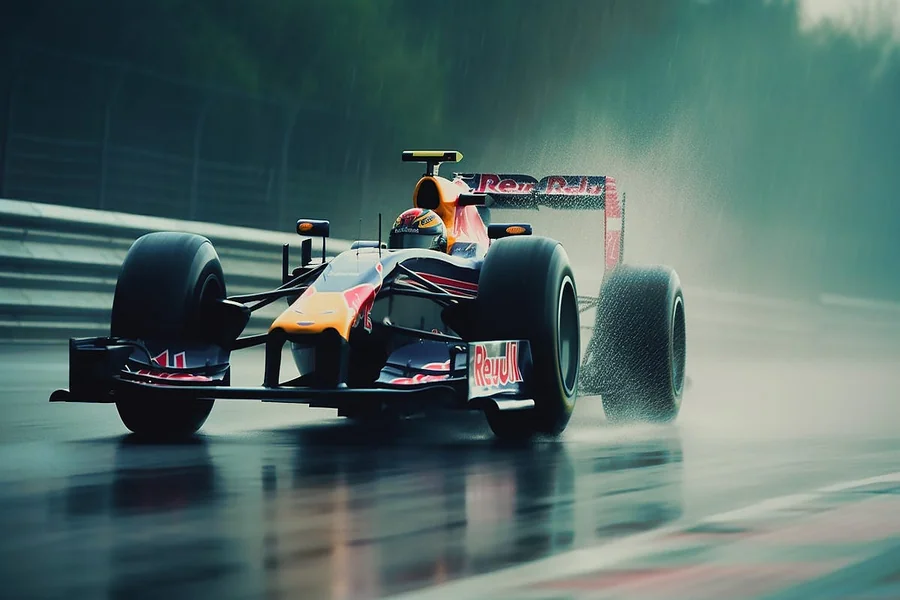
Rain turns an F1 bet from a pure pace comparison into a strategy problem. A driver with strong dry speed can lose value if the team guesses the wrong crossover point between slicks, intermediates and full wets. The bettor should read not only qualifying position, but also weather timing, pit window, tyre warm-up and how quickly the team reacts when lap times start moving by 2-4 seconds.
The first check is the type of rain. Light rain can make intermediates faster for a short phase, while standing water can force full wet tyres or even safety car periods. If the forecast shows showers instead of constant rain, the race may split into several short strategy windows. That increases variance and makes a simple winner bet weaker than markets such as top 6, points finish or head-to-head.
A practical review starts with the live radar, track sector times and pit stop exposure. If one team usually reacts early while another waits for cleaner confirmation Pinco KZ can be used as a useful reference when comparing whether the market has already priced the rain strategy correctly. The bet should follow the tyre decision, not only the driver’s reputation. In mixed conditions, a late stop can cost more than raw pace can recover.
Why Rain Changes the Value of F1 Markets
In dry conditions, race pace, tyre degradation and track position are easier to model. In rain, the gap between compounds can change within two laps. A driver on slicks may gain time on a drying line, then lose control when a new shower hits. This is why a short pre-race price can become fragile if the favourite must make one extra pit stop or survive a risky out lap on cold tyres.
Pit timing matters because every stop adds time loss, often around 20-25 seconds depending on circuit layout. In wet races, the real cost is not only the pit lane delta. A wrong tyre choice can add 3-5 seconds per lap until conditions match the compound. That means a team can lose the equivalent of another pit stop before the market fully adjusts.
What to Check Before Betting in Rain Conditions
- Rain timing: a shower before the start is different from rain expected around lap 20, when pit windows open.
- Track drying rate: street circuits dry slower, while open tracks can form a dry line faster.
- Tyre crossover: intermediates usually work when the track is wet but without heavy standing water.
- Team execution: slow double-stacks or delayed calls can cost more than one position in mixed weather.
The best rain bets often come from avoiding the race winner market. If conditions are unstable, top 10 or teammate head-to-head can be cleaner because they need less perfect strategy. A driver starting P12 with strong wet pace may not need a podium to offer value. He may only need the right tyre call and two clean safety car restarts to reach the points.
How Pit Stop Strategy Changes the Fair Price
A one-stop dry plan can disappear after ten wet laps. Teams may switch from slicks to intermediates, then back to slicks if the track dries. Each extra stop changes the fair odds because track position becomes less stable. A driver leading by 6 seconds is not safe if the next tyre phase is unclear and the cars behind can stop one lap earlier for a faster compound.
- Before the race: reduce stake if the forecast shows rain inside the first 30% of race distance.
- During the first stint: watch sector times, because the first sector often reveals tyre crossover early.
- At pit window: check whether teams can avoid double-stacking two cars on the same lap.
- After the stop: compare out-lap pace, since cold intermediates or slicks can distort the live line.
Safety car probability also rises when rain creates low grip and poor visibility. That changes the value of early stops. A driver who pits just before a safety car may gain a large position swing, while a driver who stays out can lose the advantage. Because this effect is hard to predict, outright bets should be smaller when the weather radar shows repeated rain cells.
When the Favourite Becomes Overpriced
The favourite becomes overpriced when the market keeps dry-race confidence in a wet strategy environment. A pole sitter at 1.80 can be fair in stable conditions, but too short if rain is expected during the first stint and the team must defend track position on the wrong tyre. Wet races reward flexible timing, not only clean air. A short number needs more safety than usual.
Overpricing also appears when the public focuses on famous wet-weather skill. Driver ability matters, but the team still chooses tyre timing, pit sequencing and double-stack management. A great wet driver can lose value if his teammate blocks the pit box or the call comes one lap late. The bet should include both driver control and team operation.
How to Choose Better Markets Than the Winner
Head-to-head markets can be stronger because they compare two cars under similar conditions. If one driver manages tyres better or starts on the cleaner side of the grid, the matchup may offer clearer value than the overall winner. Points finish is also useful when a midfield car has wet pace but lacks dry speed. Rain can compress the field and create cheaper routes into the top 10.
Podium markets need caution. They look attractive in wet races, but one wrong tyre phase can remove the upside quickly. A top 6 or top 10 line may fit the same rain angle with less risk. The bettor should choose the market that matches the expected gain. If the weather can move a driver forward by 4-6 places, do not force a podium bet that needs 9-10 places.
Risk Control for Wet F1 Betting
Stake size should drop when tyre strategy is uncertain. A normal 1% bankroll position can be reduced to 0.5% if rain timing is unclear. If the forecast shows changing intensity, live betting may be safer than pre-race betting. Waiting for the first crossover signal can save money, even if the price becomes slightly shorter.
Do not chase after the first pit cycle if the tyre phase is not finished. A driver who gains five seconds on intermediates may lose it back when slicks become viable. The better entry often appears after two or three laps of consistent sector data. Wet-weather betting rewards confirmation because one isolated fast lap can be caused by traffic, DRS loss or a temporary dry line.
Conclusion
Betting on F1 when rain changes pit stop strategy means pricing decisions, not only speed. Check rain timing, tyre crossover, pit lane loss, team execution, safety car risk and whether the chosen market matches the expected advantage. The best bet may be head-to-head, points finish, top 6, live entry or no bet. In wet races, saving money comes from avoiding dry-condition odds in a race that no longer behaves like dry conditions.
