

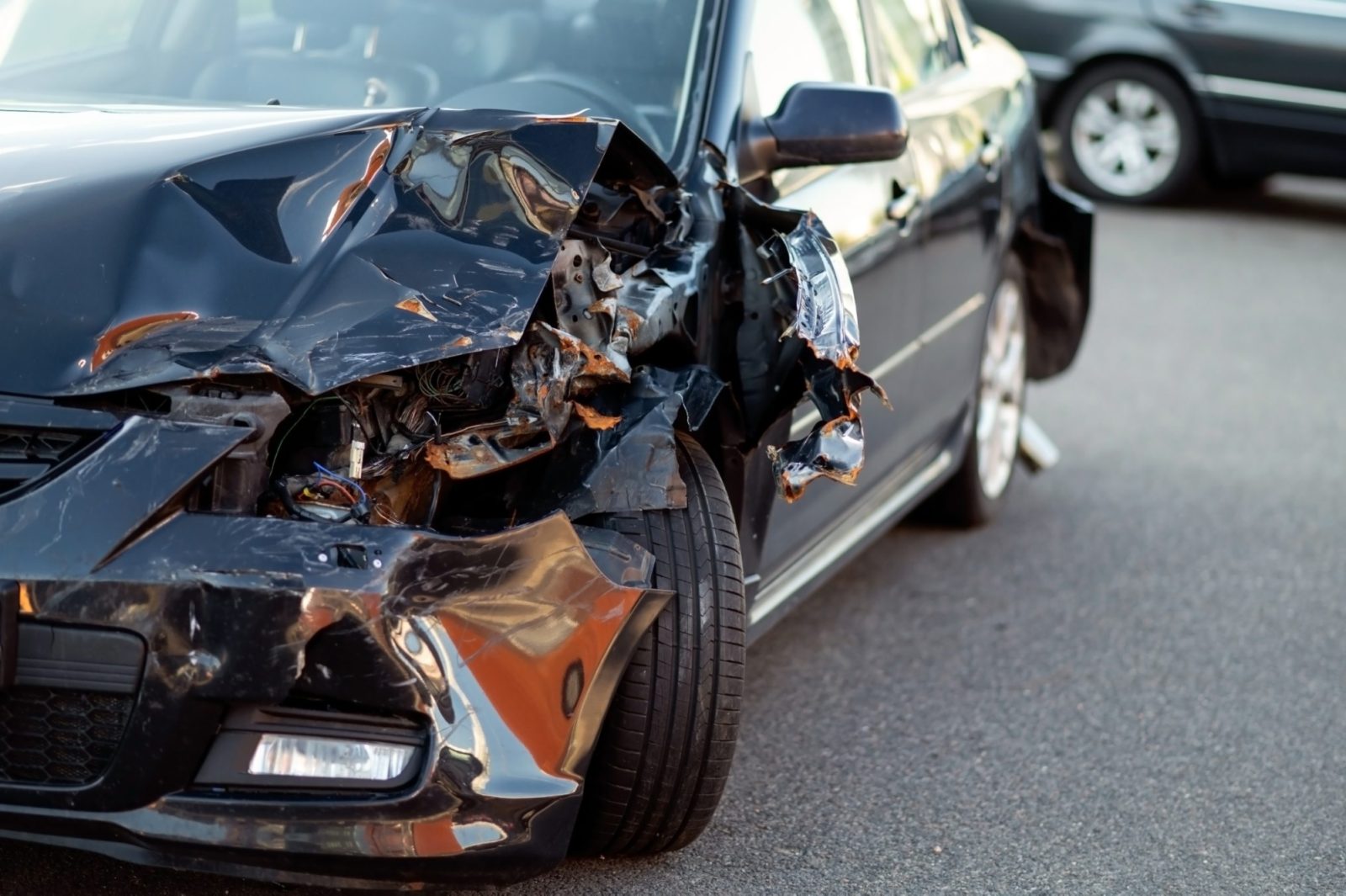
A parking-lot collision or low-speed turn can look minor at first. Then the other driver reports an injury, a passenger needs treatment, or a damaged vehicle turns out to contain expensive sensors and safety equipment. That is why third party liability car insurance deserves more attention than many drivers give it at renewal time.
Auto liability coverage is not primarily about fixing your own vehicle. It is designed to respond when you are legally responsible for injury or damage to someone else. The right limit can be an important financial safeguard when a claim involves medical care, missed work, multiple people, property damage, or a lawsuit.
Why Small Crashes Can Create Large Costs
Visible vehicle damage is only one part of a liability claim. A collision that dents a bumper may also aggravate an injury, damage a fence or storefront, involve a cyclist, or affect several occupants across more than one vehicle. Costs can grow long after the tow truck leaves.
Depending on the circumstances and provincial rules, a claim may involve treatment, rehabilitation, income loss, vehicle repairs, replacement property, legal defense, and settlement or court-awarded damages. The lesson is simple: the apparent severity of a crash does not reliably predict its financial impact.
What Auto Liability Coverage Does
Coverage for harm to other people
Liability coverage generally applies when an insured driver is legally responsible for bodily injury or property damage suffered by another person. It differs from collision or comprehensive coverage, which may help with damage to your own vehicle under your policy.
Common parts of a liability claim
- Injury claims, including medical costs, rehabilitation, and income-related losses.
- Repairs or replacement for another person’s vehicle.
- Damage to property such as signs, fences, buildings, or equipment.
- Legal defense and settlement expenses were covered by the policy.
Coverage is never unlimited simply because a policy exists. The policy wording, applicable provincial law, exclusions, and stated limit all matter.
How Policy Limits Work
A liability limit is the maximum amount the insurer may pay for covered claims, as set forth in the contract. Some policies use separate “per person” and “per accident” limits. Others use a single combined limit for one occurrence. Ask your insurer or broker how your certificate states the limit and whether defense expenses fall within or outside it.
A simple example
- You cause a collision involving another driver and their passenger.
- Both people require care and time away from work.
- Two vehicles also need extensive repairs.
- Your insurer investigates, defends the claim where required, and responds up to the available coverage.
- If covered damages exceed the applicable limit, you may face personal financial exposure for the remaining amount.
Legal Minimums Vs. Real-World Risk
Provincial minimums are legal floors, not universal recommendations. They exist to set a minimum requirement for driving, but they do not automatically reflect current repair costs, the chance of serious injury, or the assets and income a driver may want to protect.
A driver with a home, savings, investments, a business interest, or substantial future earnings may view a large claim differently from someone with fewer assets. It is also worth remembering that provincial systems differ. Quebec, for example, uses a distinct public insurance approach for bodily injury, while other provinces may have different combinations of no-fault benefits and tort claims.
Before changing limits, confirm the current requirement for where your vehicle is insured. Then separate the question of legal compliance from the question of how much financial risk you are comfortable retaining.
What Can Push A Claim Higher
- Serious injuries: Long-term care, permanent impairment, rehabilitation, and lost income can materially increase a claim.
- Multiple claimants: A single crash may involve drivers, passengers, pedestrians, cyclists, or nearby property owners.
- High-value property: Modern vehicles, commercial equipment, infrastructure, and buildings can be costly to repair or replace.
- Legal disputes: Liability, injuries, and the value of losses may be disputed even when the collision initially seems straightforward.
- Different vehicle use: Delivery driving, ride-sharing, business use, and frequent commuting can create coverage issues if the policy does not reflect how the vehicle is used.
2026 Changes Drivers Should Watch
Insurance reform can change how certain benefits are accessed and how injury claims develop. Ontario is a useful example for 2026, but it should not be treated as a nationwide rule. Reporting on Ontario’s July 1, 2026, reform noted concerns that some injury costs for uninsured pedestrians or cyclists could shift toward an at-fault driver’s liability coverage, prompting some drivers to reconsider their limits.
Drivers can review the discussion in this report on Ontario auto reform coverage changes. The practical point is not that every claim will increase, but that changes to benefits can alter where financial pressure appears after a crash.
How To Review Your Policy
- Find the liability limit: Check your certificate, renewal package, or online policy documents.
- Confirm the listed drivers: Ensure household members and regular drivers are properly disclosed.
- Review vehicle use: Tell your insurer about delivery work, business driving, ride-sharing, or a major change in commuting.
- Consider assets and income: Think about savings, property, investments, and future earnings that could be affected by an excess claim.
- Request higher-limit quotes: Compare several options rather than assuming a higher limit is unaffordable.
- Ask about excess liability options: Availability and required underlying limits vary by insurer and province.
- Revisit coverage at renewal: Review after a move, marriage, new driver, vehicle purchase, or significant income change.
A Final Liability Coverage Checklist
- Know the legal requirements in your province or territory.
- Know the exact liability limit on your policy.
- Consider your assets, future income, and vehicle use.
- Confirm that all regular drivers are properly disclosed.
- Ask how recent provincial rule changes may affect claims.
- Compare the cost of higher limits before renewal.
- Keep policy documents up to date after major life changes.
Conclusion
Auto liability coverage is easy to overlook because it does not cover repairs to the policyholder’s own vehicle. Its value becomes clearer when someone is injured or expensive property is damaged. In 2026, the strongest starting point is straightforward: know your limit, understand your provincial rules, and choose coverage that fits the financial risk you could face.
