

Key Takeaways:
- Transfer cases are essential for power distribution in 4WD and AWD systems, optimizing vehicle traction and control.
- Gear ratios in transfer cases influence torque and speed, crucial for various driving conditions.
- Fluid dynamics play a significant role in transfer case efficiency, requiring proper lubrication to reduce friction and wear.
- Key components of a transfer case include the input shaft, output shaft, range gear, and housing, essential for its operation.
- 4WD systems allow for selectable drive modes and are designed for rugged conditions, while AWD systems provide automatic power distribution.
- Transfer cases enhance traction by distributing power among all wheels, critical for handling unpredictable road conditions.
- Off-road enthusiasts can modify transfer cases to enhance performance, including upgrades to gear ratios and locking differentials.
- Unusual sounds from the transfer case can indicate potential issues, requiring attentive diagnosis and maintenance.
- Fluid leaks from the transfer case can lead to operational failure, making early detection and repair essential.
- Warning lights on the dashboard may indicate transfer case issues, necessitating prompt professional evaluation.
- Routine maintenance, including regular fluid changes and inspections, is vital for transfer case longevity.
- Upgrading transfer case components can optimize performance for off-road adventures, but compatibility is key.
- Using manufacturer-specified fluids ensures the optimal performance and longevity of the transfer case.
The Mechanisms of Transfer Cases: How They Work Under the Hood
Decoding Gear Ratios: The Art of Power Distribution
Transfer cases are fundamental components in four-wheel-drive (4WD) and all-wheel-drive (AWD) systems, playing a crucial role in power distribution among the vehicle’s wheels. The transfer case’s ability to use gear ratios efficiently allows for improved traction and control in various driving conditions. A gear ratio represents the relationship between the number of rotations of the input gear (often connected to the transmission) to the rotations of the output gear that drives the wheels. This ratio is significant because it dictates how effectively power is delivered from the engine to the axles, ultimately influencing the vehicle’s performance in terms of acceleration, climbing ability, and overall handling. For instance, a lower gear ratio (like 4:1) provides more torque, making it easier for vehicles to climb steep hills or traverse rough terrain. Conversely, a higher gear ratio (like 1:1), allows for faster speeds on smooth or paved surfaces. Understanding and optimizing these gear ratios can make a substantial difference in how a vehicle responds in various environmental conditions. In off-road scenarios, such as navigating through mud or snow, a well-configured transfer case with the correct gear ratio can enhance stability and prevent wheel slip, showcasing the art of power distribution conducted by these sophisticated systems.
The Role of Fluid Dynamics in Transfer Case Efficiency
The efficiency and longevity of a transfer case are significantly influenced by fluid dynamics. The transfer case relies on lubrication to reduce friction between moving components, which is critical for optimal performance. The transfer case fluid, typically a specialized type of transmission fluid or gear oil, serves several purposes: it lubricates gears, cools components, prevents rust and corrosion, and facilitates the smooth operation of internal clutches and electronic devices. Fluid dynamics entails the study of how liquids behave when in motion; in the context of transfer cases, it involves the circulation of lubricant throughout the system. A well-designed transfer case incorporates channels and pumps that facilitate efficient movement of fluid, minimizing drag and maximizing cooling. Additionally, the viscosity of the fluid plays a role in its efficiency; too thick a fluid can hinder movement, while too thin may not provide adequate lubrication, both of which can lead to premature wear. Regular checks and timely fluid changes are paramount for maintaining the optimal functionality of a transfer case, ensuring that power is effectively transmitted without undue strain.
Common Components: What Makes a Transfer Case Tick?
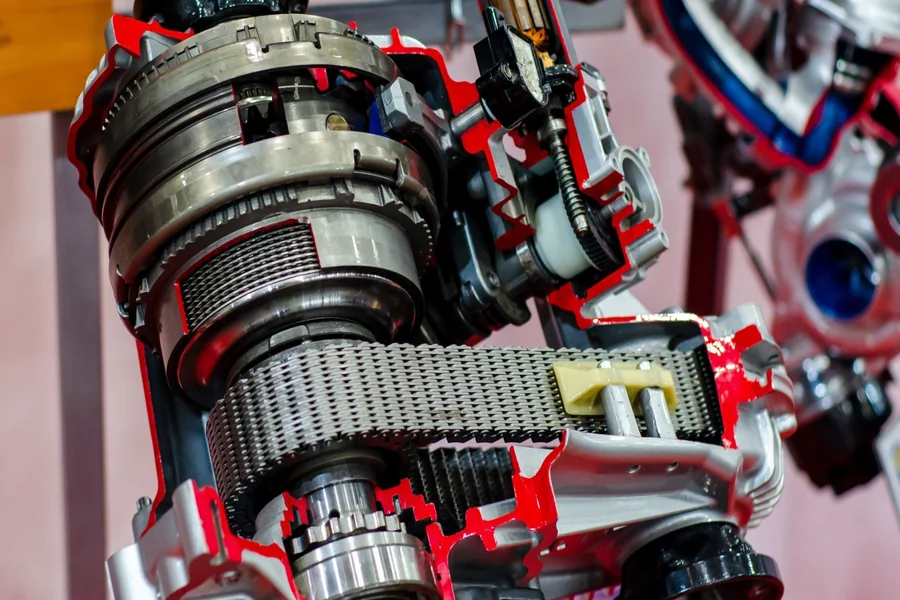
Understanding the components of a transfer case is key to appreciating its functionality. At its core, a typical transfer case includes the following elements: the range gear, input shaft, output shaft, and housing. Each part serves its purpose in the overall mechanism. The input shaft receives power from the transmission and transmits it into the transfer case. The range gear allows the driver to switch between various drive modes (high range, low range, etc.), manipulating the gear ratios as needed for the terrain. The output shaft then distributes the power to the front and rear axles, enabling all-wheel or four-wheel drive operations. Inside the housing, you’ll find chain drives and gear sets responsible for transferring the power while allowing for the necessary torque multiplication or reduction, depending on the mode selected by the driver. Additionally, some modern transfer cases incorporate electronic control units (ECUs) that enhance performance by adjusting power distribution based on wheel speed, traction, and other variables. Understanding these components not only aids in the maintenance and repair of transfer cases but also highlights their intricate design and the engineering ingenuity involved in maximizing vehicle efficiency.
Transfer Cases and Vehicle Performance: Unleashing the Potential
Four-Wheel Drive vs. All-Wheel Drive: The Battle of the Titans
When discussing transfer cases, it’s essential to understand the distinction between four-wheel drive (4WD) and all-wheel drive (AWD) systems. Both systems use transfer cases to distribute power to the wheels, yet they do so in distinct ways that significantly impact performance, handling, and use cases. 4WD systems are often found in trucks and off-road vehicles, designed primarily for rugged conditions. These systems typically include a transfer case with selectable drive modes, allowing drivers to switch to low-range gearing for maximum torque and control over challenging terrains such as rocks, sand, or steep inclines. On the other hand, all-wheel drive systems automatically distribute power to all four wheels without user intervention, enhancing grip on slippery surfaces like rain or snow. This capability stems from sophisticated transfer case designs that continuously adjust torque distribution based on driving conditions. Consequently, while 4WD systems emphasize driver control and adaptability in harsh environments, AWD systems focus on seamless performance in varying conditions without the need for user input. Understanding these differences aids drivers in choosing the right vehicle for their needs, ensuring that they have the optimal performance characteristics for their intended driving scenarios.
Impact on Traction: When the Rubber Meets the Road
Traction is a critical aspect of vehicle dynamics, largely influenced by the design and functionality of the transfer case. A well-functioning transfer case enhances traction by enabling all four corners of the vehicle to receive power, distributing it effectively among the wheels. This is particularly crucial in environments where road conditions may be unpredictable, such as icy roads, muddy fields, or loose gravel. When a vehicle encounters low traction, an efficient transfer case can send more power to the wheels with the most grip, helping to prevent wheel spin or slippage. Modern transfer cases often feature torque vectoring technology that distributes power variably among the wheels. This sophisticated technology enhances cornering stability and overall driver confidence. For instance, during a turn, the transfer case may send more power to the outer wheels, allowing for improved handling. Understanding how transfer cases impact traction can help drivers appreciate the significance of maintaining their systems, ensuring that they have the maximum ability to negotiate slippery or uneven surfaces safely.
Tuning Your Transfer Case for Optimal Off-Road Adventures
For off-road enthusiasts, the performance of the transfer case can be tuned and modified to extract maximum utility from their vehicle during adventures. Customizations can involve altering gear ratios, upgrading components, or even switching to an advanced transfer case controller. One popular modification is installing a slip yoke eliminator kit that replaces the factory slip yoke and allows for a more reliable drive shaft angle, reducing the chances of vibrations and failures during intense off-road use. Additionally, aftermarket transfer cases may provide options for locking differentials, allowing all wheels to rotate at the same speed, which is invaluable for serious off-roading. This capability enhances traction by ensuring power is distributed evenly across all wheels, eliminating the chance of one wheel spinning freely when faced with obstacles or uneven terrain. Enthusiasts looking to maximize their off-road capabilities should consider these modifications while also being aware of the balance between performance enhancements and the need for reliability and durability. Proper tuning not only enhances the driving experience but also builds confidence in tackling more extreme off-road challenges.
Signs of Trouble: Diagnosing Issues with Your Transfer Case
Unusual Sounds: What Your Vehicle is Trying to Tell You
Monitoring unusual sounds emanating from the transfer case area is vital for early diagnosis of potential issues. Normal operation should be relatively quiet; however, sounds such as grinding, whining, or clunking can indicate underlying problems. Grinding noises may suggest worn gears or insufficient lubrication, while whining at higher speeds might point to bearing issues or a failing pump. It’s essential to heed these auditory signals as they often serve as indicators of wear and may precede significant mechanical failures. If left unaddressed, minor issues can escalate, leading to more substantial and costly repairs. Regularly diagnosing the sounds your transfer case produces and understanding their implications can aid in proactive maintenance, ultimately prolonging the life of the drivetrain and preserving the vehicle’s performance.
Fluid Leaks and Their Implications: A Closer Look
Fluid leaks are glaring warning signs that should never be overlooked. The transfer case relies on a specific amount of lubricant to function optimally, and any leak can jeopardize its operation, leading to excessive wear or catastrophic failure. Common leak sources include seals, gaskets, and drain plugs that may degrade over time or through wear and tear. Detecting oil puddles or drip marks beneath your vehicle’s transfer case is critical, and it’s advisable to routinely check the fluid level to ensure it remains within operational parameters. The color and consistency of the fluid can also be indicative of its condition; for example, dark, burnt-looking fluid suggests overheating, while milky or frothy fluid may indicate contamination with water. Addressing leaks promptly, coupled with regular fluid inspections, can prevent costly repairs and extend the life of the transfer case significantly.
Warning Lights: When to Seek Professional Help
Modern vehicles are equipped with a plethora of sensors and warning systems designed to alert drivers of potential issues, and your transfer case could be at the center of these alerts. Warning lights on the dashboard, such as the check engine light or specific ABS (Anti-lock Braking System) indicators, can signify that the transfer case is experiencing trouble. Other lights tailored to monitoring the drivetrain may illuminate if there’s a malfunction within the transfer case itself. When these warning lights appear, it is imperative not to ignore them. Consult the owner’s manual for insight into what the specific light indicates, and consider seeking the assistance of a qualified mechanic who can perform diagnostic tests. Ignoring such signals can lead to critical failure while driving, leading to unsafe situations and costly repairs in the long run.
Maintenance and Upgrades: Ensuring Longevity and Performance
Routine Maintenance: Keeping Your Transfer Case in Top Shape
Regular maintenance of your transfer case is crucial for ensuring its longevity and effective performance. This includes periodic fluid changes, which should align with the manufacturer’s recommendations typically found in the vehicle’s service manual. Over time, the lubricant can become contaminated or lose its viscosity, leading to increased friction and potential damage to internal components. Apart from fluid changes, it’s essential to inspect seals and gaskets routinely for signs of wear or leaks. Also, ensuring that the specific transfer case is adequately filled with the right type of fluid cannot be emphasized enough, as using incorrect fluids can hinder operation and lead to premature failures. An annual inspection by a qualified technician can also help identify potential problems before they escalate into severe issues, allowing vehicle owners to maintain their peace of mind knowing their system is well taken care of.
Upgrading for Adventure: Modifications for Enthusiasts
Adventure seekers often look to enhance their vehicle’s transfer case to optimize performance in extreme environments. Common upgrades include replacing stock parts with heavy-duty components that can withstand the rigors of off-road use. For instance, performance transfer cases designed for severe off-road conditions may feature larger gearsets, improved casing materials, and more robust input and output shafts. Another popular modification is the addition of an advanced transfer case control module, which allows for more precise adjustments in power distribution. These modifications enable drivers to customize their vehicle’s performance to meet specific challenges presented by different terrains, from soft sand to rocky trails. However, while these upgrades can significantly boost performance, it’s vital for enthusiasts to do thorough research and ensure they make compatible selections that won’t compromise the vehicle’s overall integrity.
Choosing the Right Fluids: The Lifeblood of Your Transfer Case
The choice of fluids for maintaining a transfer case cannot be understated; it is the lifeblood of the system. Utilizing the manufacturer-specified fluid guarantees that the transfer case operates at peak performance, especially concerning viscosity and lubricating properties. Differences in formulations can exist among various brands and types of fluids, which is why it is advisable to consult the owner’s manual or a knowledgeable technician when selecting replacements. In addition to standard oil-based fluids, synthetic options are increasingly popular due to their superior performance in extreme temperatures and their ability to maintain viscosity longer under harsh conditions. Synthetics also tend to better resist oxidation and thermal degradation, making them advantageous for those who push their vehicles to the limits off-road. Prioritizing quality fluids is not merely a matter of preference; it’s an investment in the vehicle’s performance and longevity, ensuring the transfer case can handle whatever challenges lie ahead.
FAQ
Question: What are the signs that my transfer case needs maintenance? – Signs include fluid leaks, unusual noises such as grinding or whining, and dashboard warning lights indicating potential issues.
Question: How often should I perform maintenance on my transfer case? – It’s recommended to check and change the fluid at intervals specified in your vehicle’s service manual, usually every 30,000 to 50,000 miles, or as needed depending on use.
Question: Can I use any type of fluid in my transfer case? – No, it’s crucial to use manufacturer-specified fluids as they are formulated specifically for optimal performance and protection of the transfer case components.
Question: What modifications can enhance my off-road vehicle’s transfer case performance? – Modifications can include upgrading to heavy-duty components, changing gear ratios, installing a slip yoke eliminator kit, and adding an advanced transfer case control module.
Question: How can I identify if my transfer case is failing? – Common indicators of failure include difficulty shifting gears, persistent warning lights, strange noises, and noticeable power loss during acceleration.
Question: Are there any environmental factors that affect transfer case performance? – Yes, extreme temperatures, both hot and cold, as well as driving on rugged terrains can significantly impact the efficiency and functionality of a transfer case.
Question: What role does torque vectoring technology play in transfer case functionality? – Torque vectoring allows for variable power distribution among the wheels, improving traction and stability by directing more power to the wheel with the most grip during different driving situations.
Question: Is it possible to repair a transfer case or is replacement necessary? – Many issues can be repaired with proper diagnosis and maintenance; however, extensive damage might require a complete replacement. Always consult with a professional for an accurate assessment.
