

Introduction
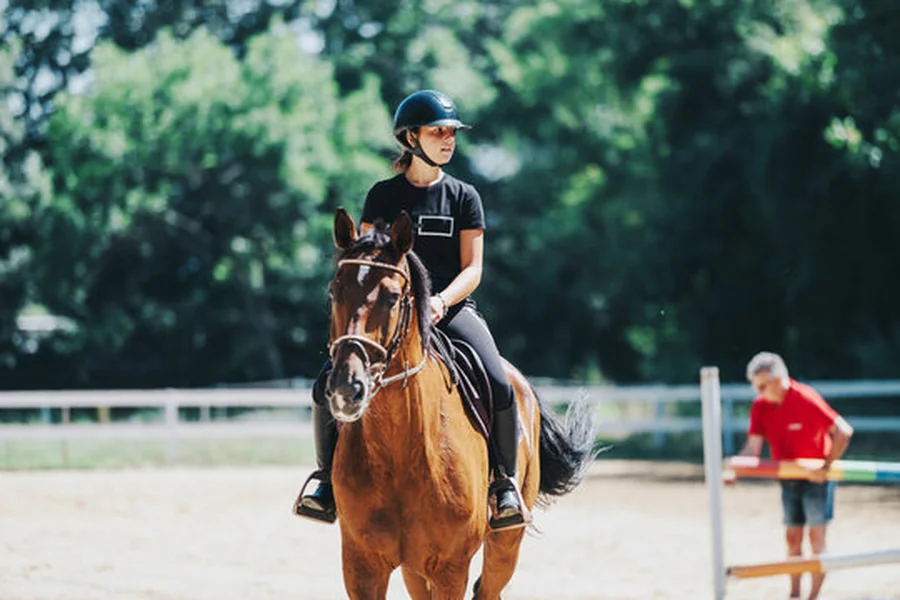
Creating an inviting, safe, and functional equestrian arena involves more than just the right dimensions. Horse jumps play a pivotal role, whether for training or competition. Customization engages both rider and horse in a dynamic and interactive environment, making each session unique and fulfilling. This article delves into the art and science behind customizing horse jumps, combining creativity with technical expertise to bring vibrancy and practicality to equestrian settings. Grounded in tradition yet flexible to innovation, a well-designed jump can transform a standard arena into a bespoke platform for growth and mastery.
The Role of Horse Jumps in Equestrian Arenas
Horse jumps serve as key training tools and competitive elements. They help to improve a horse’s agility, strength, and coordination. From the classic vertical and oxer jumps to the more intricate combination courses, jumps are integral in guiding horses through physical hurdles, literally and figuratively. Understanding these jumps’ roles can significantly enhance your training sessions, offering diverse challenges that test and refine a horse’s skills. For those on a budget, used horse jumps can be a practical option, providing the same benefits as new ones while being more cost-effective. A well-structured set of jumps mimics competition scenarios, allowing horse and rider to rehearse and perfect techniques in a controlled environment before stepping onto the main stage.
Importance of Customization in Horse Jumps
Why customize horse jumps? Beyond aesthetics, customization enhances functionality, adapting jumps to meet specific training requirements and levels of expertise. Custom horse jumps can be tailored to challenge novice and experienced riders. Personalizing jumps also allows arena owners to reflect personal and barn branding while providing appropriate competition challenges. By infusing unique themes or motifs, jumps can turn ordinary training into a platform for creativity, pushing the boundaries of what’s possible while maintaining traditional standards. This not only enriches the visual appeal but also enhances the psychological engagement of the rider, making each session feel special and uniquely tuned.
Materials Matter: Choosing the Right Components
The choice of materials can significantly impact the durability and functionality of horse jumps. Each material offers distinct advantages, from classic wood, which offers a traditional look and feel, to modern PVC, which promises longevity and low maintenance. The University of Kentucky’s study on equestrian surfaces highlights that both arena surfaces and materials play a critical role in performance and safety. Investing in durable, weather-resistant materials ensures that jumps are not only long-lasting but also reliable, regardless of the seasons or climate conditions, contributing to a safe and consistent training environment.
Safety First: Designing for Both Horse and Rider
Safety should always be paramount in an equestrian arena. Properly designed jumps minimize the risks of injury, promoting confidence in both horse and rider. You can significantly reduce hazards by selecting the right designs and regularly inspecting them for damage or wear. Safety features such as rounded edges and breakaway parts are quintessential in modern jump designs. These features ensure that an accidental collision does not result in severe injury, making the training process more secure. Moreover, consistent safety checks and updates can adapt the equipment to the evolving standards of equestrian sports, always keeping pace with the best practices in the industry.
Adding Aesthetic Appeal with Custom Designs
Custom designs can bring a unique flair to any equestrian arena. From vibrant, colorful paint jobs to themed jumps that reflect certain cultures or stories, customization can complement the surrounding environment and boost visual appeal. A well-designed arena attracts riders and serves as a breathtaking backdrop for competitions, making it a landmark in equestrian circles. This visual enhancement of the space can boost morale, encourage more participation, and make events more picturesque for participants and spectators, leaving a memorable impression.
Practical Considerations in Arena Size and Layout
The effectiveness of custom horse jumps also depends on the size and layout of the arena. Adequate space and thoughtful arrangement enhance the flow of training sessions. Considerations include the positioning of jumps to allow seamless transitions and movement. The US Equestrian offers insights into optimizing arena layout in their arena layout tips that underscore the importance of strategic planning. A well-planned arena can accommodate various jumps and exercises, making it a versatile space for different equestrian disciplines, ensuring optimized utility and safety.
