

Every homeowner relies on their water heater to provide steady and safe hot water for daily use. However, most water heaters are out of sight and out of mind until problems arise. By giving your system regular attention, you can avoid issues, reduce repair costs, and maximize efficiency. For homeowners considering water heater installation and replacement in Dallas, regular maintenance is just as important as selecting the right unit. Routine maintenance ensures that your water heater continues to run efficiently and can even extend its lifespan by several years. Neglecting these tasks, however, often leads to energy waste, unexpected breakdowns, and expensive emergency repairs. This guide covers the essential maintenance steps to help you maintain a reliable hot-water supply and minimize safety risks in your home.
Regular Inspections
Inspecting your water heater every one to two months helps catch minor issues before they escalate. Begin by examining the area around your water heater for any puddles, which may indicate a leak. Look for rust on the tank or pipes and listen for unusual creaks or popping noises during operation, as these may signal sediment buildup or pressure problems.
Flushing the Tank
Mineral deposits and sediment naturally settle at the bottom of the water heater over time. This buildup can reduce the appliance’s efficiency, increase energy bills, and eventually corrode the tank lining. Manufacturers recommend flushing your water heater at least once a year. Start by switching off the electricity or gas supply, then let the water cool. Attach a garden hose to the drain valve, direct it to a suitable drain, and open the valve to empty and rinse out sediment. For more tips on this process, see this Forbes Home guide.
Checking the Anode Rod
The anode rod is a vital sacrificial component that attracts corrosive elements and protects the tank from rust. Over time, the rod depletes and needs to be replaced. Check it every two to three years, more often if your water is hard or heavily chlorinated. For inspection, turn off the heater, unscrew the rod from the top of the tank, and review its thickness. If it’s corroded or less than half an inch thick, replace it. This simple step can add years to your heater’s life and keep your hot water cleaner.
Testing the Temperature and Pressure Relief Valve
The temperature and pressure (T&P) relief valve is a critical safety feature that opens if the internal pressure or temperature rises too high, helping prevent explosions. To test, lift the valve lever until water flows out of the overflow pipe. If no water escapes or the valve does not reseal properly, replace it immediately. Testing this valve annually helps keep your home safe and your system reliable.
Adjusting the Thermostat
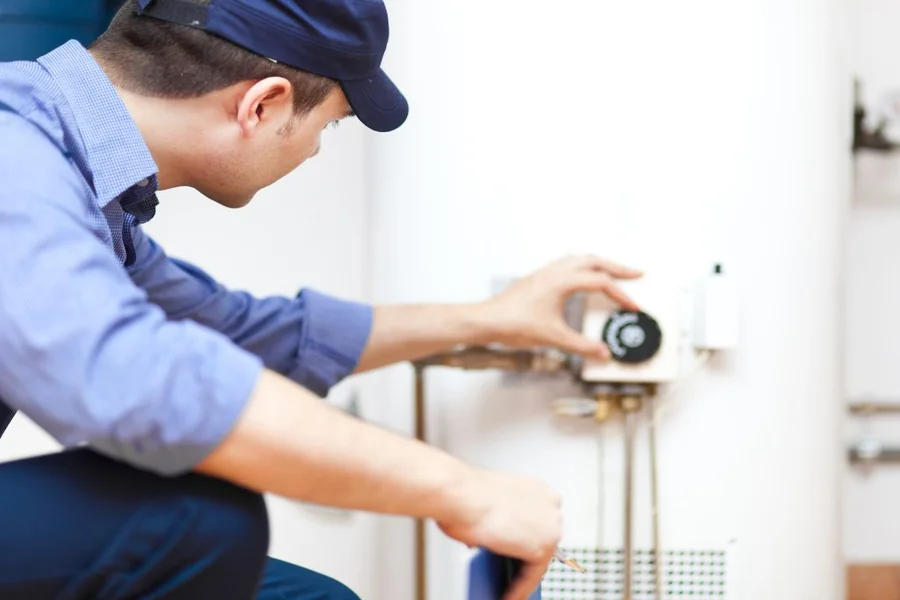
Setting the water heater’s thermostat to 120°F (49°C) strikes a balance between energy efficiency and safety. A lower temperature keeps energy costs down and prevents accidental scalds, while anything under 120°F risks fostering harmful bacteria. Adjust the thermostat according to manufacturer instructions (often a dial on the tank or a digital panel). Keeping your settings optimal contributes to both comfort and reduced utility bills.
Insulating the Tank and Pipes
Insulating your water heater tank and hot water pipes reduces standby heat loss and improves energy efficiency. Water heater insulation blankets and pipe sleeves are available at most hardware stores and are simple to install. By maintaining the water temperature longer, you use less energy and save money.
Clearing the Area Around the Heater
Always keep the area around your water heater clear of boxes, cleaning products, and other items. Good ventilation is especially important for gas heaters, which require airflow to burn safely and efficiently. Keeping the space tidy also helps you quickly spot leaks, corrosion, and other early warning signs of trouble. Avoid stacking anything within two feet of the unit whenever possible.
When to Call a Professional
While many water heater maintenance tasks are manageable for homeowners, some situations demand a professional approach. If you notice rusty, discolored, or foul-smelling water, hear rumbling noises, experience persistent leaks or low water pressure, or if your system is over ten years old and has never been serviced, it’s best to contact a licensed plumber. Trained technicians can safely manage advanced repairs, ensure code compliance, and verify that safety mechanisms are functioning.
Taking care of your water heater is a straightforward way to ensure comfort and safety in your home and avoid unexpected repairs. By following these steps, you’ll enjoy reliable hot water, lower energy bills, and peace of mind year-round.
Conclusion
Proper water heater maintenance is key to ensuring reliable hot water, energy efficiency, and long-term safety in your home. Regular inspections, flushing the tank, checking the anode rod, testing safety valves, adjusting the thermostat, and insulating your system all help prevent costly repairs and extend the life of your water heater. Keeping the area clear and knowing when to call a professional further protects your home. By following these straightforward steps, homeowners can enjoy consistent comfort, lower utility bills, and peace of mind year-round.
