

The Impact of Custody Decisions on Children’s Futures
The choices made during child custody proceedings following divorce profoundly shape the lives of everyone involved, especially the children. These arrangements not only determine where a child lives but can also impact their future relationships, sense of stability, and development. When parents split up, families face the daunting task of determining what’s best for their children while navigating emotional and legal complexities.
It’s essential to understand how custody outcomes influence children’s well-being. Studies reveal that children who experience parental divorce before age five are at greater risk for challenges later in life, like lower earnings in adulthood and higher chances of encountering issues such as teenage pregnancy or incarceration. These risks often stem from factors such as reduced household income, relocation to less affluent neighborhoods, and diminished access to both parents. For a deeper look at how courts approach this critical decision-making process, visit https://www.thetxattorneys.com/blog/who-gets-the-kids-in-a-divorce-or-when-parents-split-up.
Custody decisions impact not only logistics and parenting time, but also the child’s access to positive adult figures and the resources each parent can offer. Without careful custody arrangements, children could experience ongoing disruptions in parenting, education, and social ties.
The longer-term social and emotional effects can be substantial: children in low-conflict divorced families often do better than those in high-conflict marriages, but the best outcomes are generally seen in settings with consistent, loving relationships and stable environments. This is why custody arrangements matter so much in shaping the post-divorce family dynamic.
The Rise of Shared Parenting
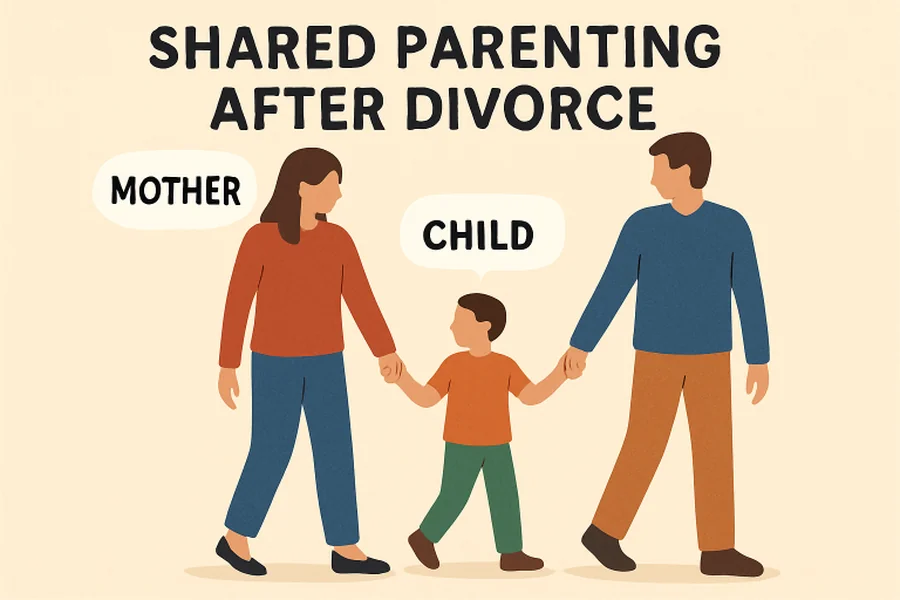
In response to evidence about the importance of ongoing parental engagement, shared parenting is increasingly favored in family law courts. Shared parenting, also known as joint physical custody, enables children to spend significant time with both parents, thereby maintaining strong, meaningful bonds. Research has consistently shown that children in joint custody settings experience higher self-esteem, fewer behavioral issues, and better academic outcomes than those in sole custody arrangements. According to Joint Custody in the United States, shared parenting helps protect children from some of the stressors of divorce, fostering resilience and emotional security.
Legal Reforms Supporting Joint Custody
Family law in the United States has undergone significant evolution, shifting in favor of supporting joint custody. One example is Kentucky’s House Bill 528, enacted in 2018, which established a default presumption in favor of joint custody and equal parenting time unless evidence shows otherwise. This groundbreaking law is now a model being considered in other states, fueling broader reforms that place a higher value on continued involvement by both parents post-divorce. For more information, see Shared Parenting Day.
As joint custody gains momentum, legislative updates prioritize children’s relationships with both parents by removing biases in favor of sole custody arrangements, ensuring that legal frameworks remain focused on long-term outcomes for children’s well-being.
Challenges in Implementing Joint Custody
Despite the widespread support for shared parenting, implementing joint custody arrangements is not without obstacles. Coordinating schedules, maintaining clear and positive communication, and consistent discipline strategies are essential for this model to succeed. Co-parents must demonstrate flexibility, teamwork, and a willingness to prioritize the child’s interests, even during disputes or disagreements.
High-conflict relationships can undermine the benefits of joint custody and make it challenging for parents to cooperate. Mediation and parental education programs have proven helpful in these cases, enabling families to resolve issues constructively and keep the focus on the child’s well-being. Sound support systems and comprehensive parenting plans can help minimize tension and support families in thriving after divorce.
Considering Children’s Preferences
As children grow older, their preferences regarding which parent they live with and the division of time become more relevant in custody proceedings. Family courts often consider the wishes of older children, provided the preferences align with the child’s best interests. Encouraging children to express their views can empower them, but the process must be handled thoughtfully to avoid undue stress or pressure.
Parents and legal professionals must approach these conversations sensitively, ensuring that children feel heard without being forced to choose sides or bear the full responsibility for the family’s new arrangements.
Developing Effective Parenting Plans
A well-drafted parenting plan is the cornerstone of a successful joint custody arrangement. These plans establish clear ground rules regarding living schedules, holiday arrangements, decision-making, communication, and dispute resolution—the more comprehensive and collaborative the plan, the smoother the transition for both children and parents. Tools and templates provided by public resources, such as state court websites, can help families start these critical conversations.
Regularly reviewing and adjusting the parenting plan as children’s needs evolve ensures the agreement remains practical and relevant.
The Role of Legal Professionals
Navigating custody decisions and developing comprehensive parenting agreements often requires the expertise of family law professionals. Attorneys guide parents through complex legal requirements, facilitate negotiations, and advocate for the child’s best interests. Reliable legal guidance can help families understand their rights and obligations and foster solutions tailored to their unique circumstances. Additionally, legal professionals mediate disputes, ensuring compliance with evolving laws and minimizing disruptions to children’s routines.
Conclusion
Child custody decisions made during and after divorce are pivotal in shaping the course of a child’s life. Evidence increasingly supports the value of shared parenting and joint custody, both from a legal and developmental perspective. Thoughtful, child-centered arrangements—backed by effective parenting plans and professional support—provide children of divorce with the security, support, and opportunity they need to thrive in the years ahead. As legal reforms continue, prioritizing the best interests of the child remains the guiding principle for families and the courts.
