

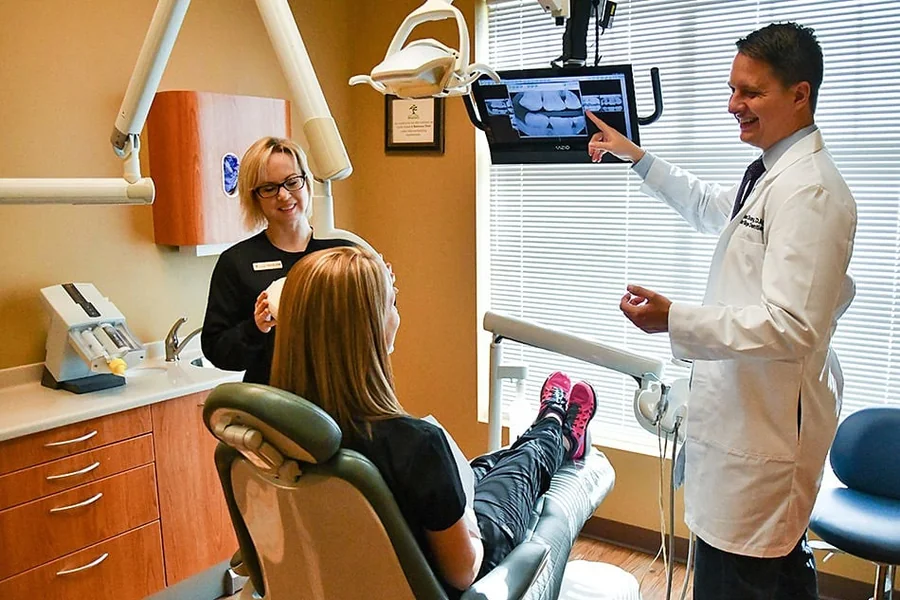
Technology now shapes how you care for your teeth, your comfort, and your health. In general dentistry, new tools change what happens during your visit and long after you leave the chair. Digital X-rays reduce radiation and show clearer images. Intraoral cameras let you see what your dentist sees. Modern records help your dentist track changes before they turn into pain. As a patient, you get faster answers, fewer surprises, and treatment that matches your needs. You spend less time guessing and more time understanding. If you see a dentist in Redmond, WA, you likely already feel these changes during checkups, cleanings, and follow up visits. This blog explains how these tools work, why they matter to you, and how they raise the standard of care in general dentistry. You deserve care that is precise, clear, and focused on your long term health.
Why Technology Matters For Your Mouth And Body
Healthy teeth protect more than your smile. They affect how you eat, speak, sleep, and feel. New tools in general dentistry support three main goals.
- You find problems earlier.
- You receive treatment that fits your exact mouth.
- You recover faster with fewer complications.
The Centers for Disease Control and Prevention explains that untreated cavities and gum disease link to pain, missed school and work, and long term health problems. When your dentist uses current tools, you lower these risks in direct, measurable ways.
Digital X Rays And Imaging
Traditional X rays use film that needs chemical processing. Digital X rays use sensors that send images straight to a computer. This change affects your health and your comfort.
- You receive less radiation per image.
- You see results right away.
- Your dentist can zoom in and adjust contrast.
Faster and clearer images mean your dentist can spot small cavities, bone loss, or infections before you feel them. Early care usually costs less and needs less drilling. Children and people with chronic health problems gain the most from reduced radiation and shorter visits.
What Intraoral Cameras Change For You
An intraoral camera is a small camera that fits in your mouth. It sends live images to a screen in the room. This tool changes the conversation during your visit.
- You see cracks, worn spots, and plaque with your own eyes.
- You understand why a treatment is needed.
- You can compare images over time.
This shared view builds trust. It also helps children learn how brushing and flossing affect their teeth. You move from confusion to clear choices. That reduces fear and helps you stick to care plans.
Comparison: Older Tools And New Tools
The table below shows how common tools in general dentistry compare. The differences affect your time, your comfort, and your health.
| Tool Or Process | Earlier Method | Newer Technology | Impact On You
|
|---|---|---|---|
| X rays | Film based images | Digital X rays | Lower radiation. Faster results. Clearer views. |
| Tooth impressions | Putty trays in mouth | Digital scans | Less gagging. Better fit for crowns and aligners. |
| Cavity detection | Visual check and metal probe | Laser or light based sensors | Earlier detection. Smaller fillings. |
| Records | Paper charts | Electronic health records | Fewer errors. Easier sharing with other doctors. |
| Patient education | Verbal explanations only | Intraoral cameras and chairside screens | Better understanding. Stronger choices. |
Digital Scans And Custom Fit Restorations
Many dentists now use handheld scanners to map your teeth. The scanner builds a three dimensional image of your mouth. This process replaces putty impressions in many cases.
This helps you in three ways.
- You avoid trays that trigger nausea.
- You receive crowns, bridges, and guards that fit more closely.
- You cut down on repeat visits to adjust the fit.
Some offices use this data with computer aided design and computer aided milling. Your crown or onlay can be made on site. That can mean fewer shots and fewer days with a temporary crown.
Better Records And Safer Care
Electronic health records and secure digital charts do more than store dates. They connect your dental care to your overall health story. The National Institute of Dental and Craniofacial Research offers information on how oral health links to chronic disease.
When your dentist uses connected records, you gain three protections.
- Your medical history and drug list stay current.
- Drug allergies and conditions like diabetes show clearly.
- Special needs for pregnancy, heart disease, or cancer care appear before treatment starts.
This lowers the chance of harmful drug mixes. It also helps your dentist plan safe numbing methods and safe timing for major work.
Technology And Pain Control
Many people avoid the dentist because they fear pain. New tools reduce this fear in real ways.
- Topical gels and computer guided numbing reduce sharp spikes of pain.
- Laser tools can treat some gum problems with less bleeding.
- Quieter drills and better suction cut down on harsh sounds and tastes.
Some offices use small devices that distract nerves near the shot site. Others use screens to show calming images during care. When you hurt less, you are more likely to come back for cleanings and follow up. That pattern alone improves long term health.
How Technology Helps Children And Older Adults
Children and older adults face higher risk from dental disease. They also face more barriers to care. Technology can ease these barriers.
For children.
- Quick digital images shorten appointment time.
- Pictures from intraoral cameras turn brushing lessons into clear stories.
- Fluoride and sealant tracking in digital records keeps prevention on schedule.
For older adults.
- Better imaging reveals root decay and bone loss early.
- Digital records show which medicines cause dry mouth.
- Improved denture and implant planning supports eating and speech.
These gains protect nutrition, sleep, and social contact across your lifespan.
Using Technology To Partner In Your Care
Technology only helps when you understand it and feel free to ask questions. During your next visit, you can take three simple steps.
- Ask what digital tools the office uses and why.
- Request to see your images on the screen and ask for clear language.
- Discuss how often you need X rays based on your own risk, not habit.
You have a right to clear answers. You also have a right to say what matters most to you. When you use these tools with your dentist, you protect your mouth, your body, and your peace of mind.
