

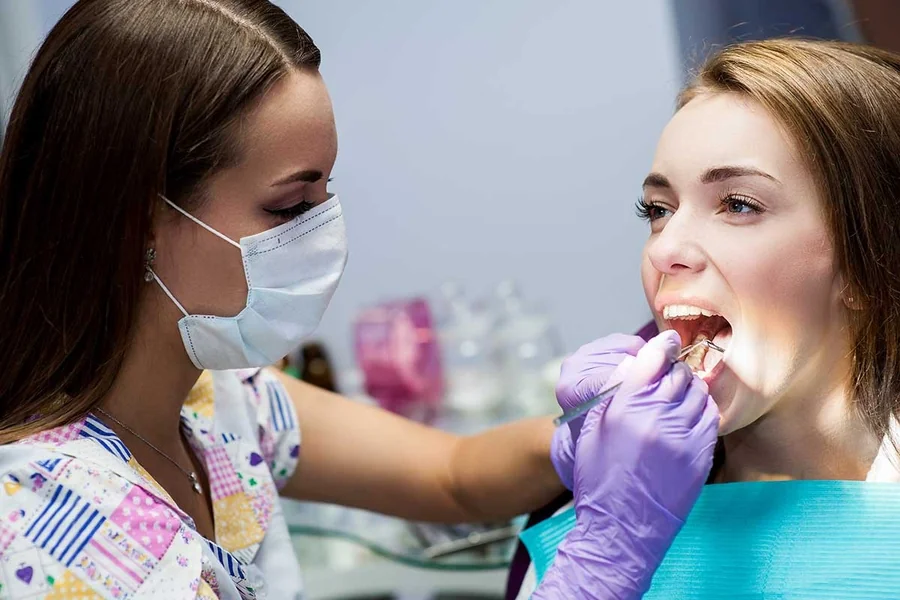
A quiet smile can hide a lot of hurt. Crooked teeth, gaps, or a bite that feels “off” can wear down your confidence every single day. You might avoid photos. You might cover your mouth when you laugh. You might even stay silent in meetings or social events. That constant tension can feel heavy. Orthodontic care does more than straighten teeth. It restores control. It lets you show your face without fear. It helps you trust your own smile again. A Whittier orthodontist can guide you through simple steps that lead to real change. You see progress in the mirror. You feel it when you speak up at work. You notice it when you meet someone new. This blog explains how orthodontic services support self-respect, emotional strength, and daily comfort. You deserve a smile that matches your true self.
How your smile shapes your daily life
Your mouth is one of the first things people notice. Teeth that feel out of place can affect three key parts of your life.
How you see yourself. You might feel ashamed or stuck. You might think others judge you.
How you speak with others. You might smile with your lips closed. You might avoid eye contact.
How you care for your health. You might rush brushing because it feels hard to reach crowded teeth.
Over time, this can feed self-doubt. You may feel small during class talks, job interviews, or family events. You may feel like your mouth controls you.
What orthodontic services do for your mouth
Orthodontic services move teeth into safer, more stable positions. The goal is a bite that works well and feels steady. The American Association of Orthodontists explains that treatment helps teeth fit together and makes cleaning easier.
You have several common options.
Traditional braces. Metal brackets and wires that guide teeth into better alignment.
Ceramic braces. Tooth colored brackets that blend in more than metal.
Clear aligners. Removable trays that move teeth step by step.
Other devices. Expanders or small appliances that help shape the bite.
Each option has strengths. Your orthodontic team looks at your mouth, your age, and your daily routine before you decide together.
Comparison of common orthodontic options
These time ranges are general. Your treatment may be shorter or longer. The key is steady use and follow-up visits.
How straighter teeth build self confidence
Orthodontic services change more than your bite. They change how you move through the world. This change often follows three steps.
1. You feel more in control
You choose treatment. That choice itself builds strength.
You follow a clear plan. You see small wins at each visit.
You see your own effort pay off. That builds trust in your actions.
Control is power. It tells your mind that you can face hard things and see them through.
2. You feel safer speaking and smiling
As teeth move into place, your smile looks more even.
You stop planning how to hide your mouth.
You look up more. You meet eyes. You join talks.
Research shared by the National Institutes of Health links oral health with social comfort and mental health.
3. You feel stronger in other parts of life
You may speak more in class or at work.
You may feel ready for new jobs or roles.
You may join groups you once avoided.
One healthy risk often leads to another. Orthodontic progress can spark new steps in school, work, and family life.
Emotional changes during treatment
Orthodontic treatment is a journey that affects feelings as much as teeth. You may notice three common stages.
Early stage. You may feel nervous about pain, cost, or how you look with braces. You may also feel hopeful.
Middle stage. You may feel tired of visits or food limits. You may feel impatient. You also start to see real change.
Final stage. You feel proud when braces come off or when aligners finish. You notice how others respond to your new smile.
These shifts are normal. You can share them with your orthodontic team. You can ask for clear steps, simple guidance, and support.
Benefits for children, teens, and adults
Orthodontic services help at any age. The impact on confidence looks different for each group.
Children. Straight teeth can reduce teasing. Your child may feel safer joining games and reading out loud.
Teens. This time is full of body changes. A more even smile can reduce shame and support healthy choices.
Adults. Treatment can feel like a second chance. You may feel more ready for public roles and close relationships.
It is never too late to want a healthier mouth and a stronger sense of self.
Practical steps to support confidence during treatment
You can protect your self-respect while treatment is in progress. You can try three simple habits.
Care for your mouth. Brush and floss as your provider teaches. Clean teeth feel better and look stronger.
Use simple coping tools. If you feel shy, plan what you will say in social moments. Practice smiling in the mirror until they feel natural.
Notice small wins. Take monthly photos. Compare them. Share them with someone you trust.
Each small step confirms that you are moving forward, even when the process feels slow.
When to seek orthodontic help
You may want an orthodontic check if you notice any of these signs.
Crowded or overlapping teeth
Large gaps between teeth
Top teeth that sit far in front of bottom teeth
Bottom teeth that cover top teeth when you bite
Jaw pain, clicking, or trouble chewing
Frequent biting of your cheeks or tongue
An early visit does not always mean treatment starts right away. It gives you clear facts and options. It removes guesswork and fear.
Your smile and your sense of worth
Orthodontic services do more than create straight teeth. They build calm, control, and strength. They help you show up in school, work, and family life without hiding. They help you see your own worth when you look in the mirror.
You deserve that sense of worth. You deserve a smile that matches the person you are inside. Orthodontic care is one direct way to claim it.
