

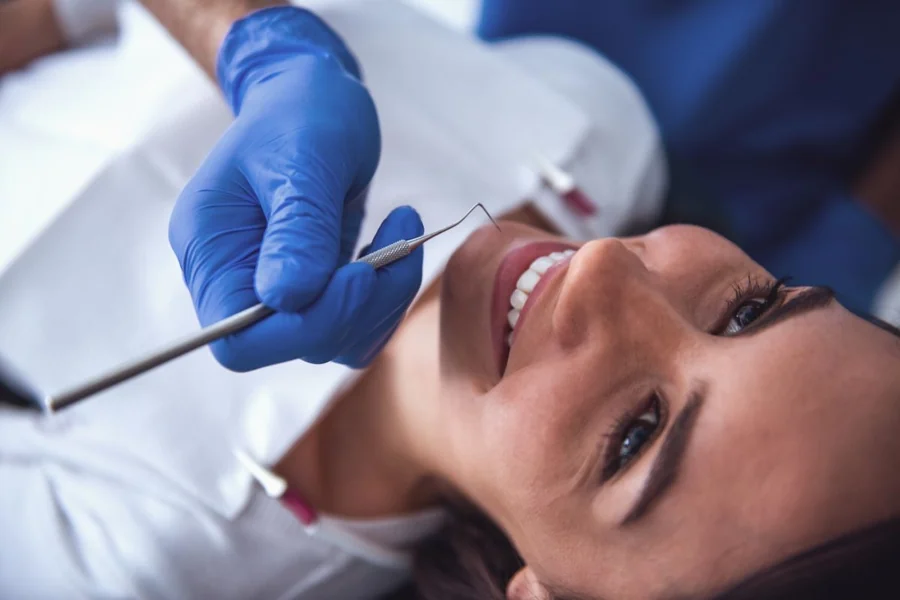
Preventive family dentistry protects your mouth and your money. When you see a dentist in Mount Vernon for regular cleanings and checkups, you catch small problems early. Tiny cavities stay small. Gums stay firm. Teeth stay strong. As a result, you avoid root canals, extractions, and dentures that drain your savings and your energy. You also miss fewer workdays and school days. You sleep better. You eat without pain. Most insurance plans cover checkups and cleanings at low or no cost. That means you trade a simple visit every six months for thousands of dollars saved over your lifetime. This guide explains how routine family visits cut long term treatment costs, what to expect at each stage of care, and how to plan visits for every person in your home.
Why small problems become big bills
Tooth decay and gum disease do not stop on their own. A tiny cavity can move through enamel, reach the nerve, and cause an infection. A little bleeding when you brush can turn into gum loss and loose teeth. Each step adds more pain and more cost.
According to the Centers for Disease Control and Prevention, untreated cavities are common in children and adults. Many people wait until pain forces a visit. By that time, the tooth often needs a crown, root canal, or removal. Each of those can cost many times more than a simple filling.
You avoid this when you keep regular preventive visits. The dentist and hygienist see early warning signs. They clean away hardened plaque. They guide you on brushing and flossing that fits your mouth. Early care keeps treatment short, simple, and less costly.
What preventive family dentistry includes
Preventive care covers three main pieces. Each one cuts long term costs in a different way.
- Routine exams and cleanings. You get a full check of teeth, gums, tongue, and cheeks. The hygienist removes plaque and tartar that brushing misses. This lowers your risk of cavities and gum disease.
- X rays when needed. These show decay between teeth, infections at the root, and bone loss. You see problems that are not yet painful. Treatment stays small and less expensive.
- Fluoride and sealants for children. Fluoride hardens enamel. Sealants cover the grooves in back teeth. Both steps protect teeth during the years when kids often get the most cavities.
The National Institute of Dental and Craniofacial Research explains that fluoride and sealants cut cavity risk in children. That means fewer fillings, fewer lost school days, and fewer emergency visits.
How prevention saves money over time
Preventive care costs money now. Yet it cuts much higher costs later. The pattern is clear. You either pay a little over many years or you pay a lot during a crisis.
The table below shows a simple comparison of typical private pay costs. Actual costs in your town may differ. The point is the difference between early care and late care.
| Service | Purpose | Approximate Cost per Visit | Frequency | Approximate 10 Year Cost
|
|---|---|---|---|---|
| Exam and cleaning | Prevent cavities and gum disease | $100 to $200 | Twice per year | $2,000 to $4,000 |
| Simple filling | Repair small cavity | $150 to $300 | As needed | $150 to $900 |
| Root canal and crown | Save tooth with deep decay | $1,500 to $3,000 | As needed | $1,500 to $9,000 |
| Extraction and implant | Replace lost tooth | $3,000 to $5,000 | As needed | $3,000 to $15,000 |
When you keep up with exams and cleanings, you lower the odds that you or your child will need root canals, crowns, or implants. Even if you still need an occasional filling, your total cost over ten years is usually much lower than the cost of one major procedure.
Money savings you do not see on the bill
Dental bills are not the only cost. Mouth pain affects your whole life. It can keep you from sleeping, eating, working, or learning. That loss hurts your income and your child’s progress in school.
Regular preventive visits help you avoid
- Emergency room visits for tooth pain
- Missed workdays and lost wages
- Missed school days for your child
- Cost of urgent care or weekend clinics
- Extra gas and time for repeated visits
You also protect your long term health. Gum disease links to heart disease and diabetes control. When your mouth stays healthy, your medical costs may stay lower over time.
Preventive care for children, adults, and older adults
Your needs change as you age. Preventive family dentistry covers the whole life span.
For children
- First dental visit by age one or within six months of the first tooth
- Regular cleanings and fluoride
- Sealants on back teeth when they come in
- Guidance on brushing, flossing, and snacks
For adults
- Exams and cleanings every six months or as advised
- Check for grinding, jaw pain, and worn fillings
- Support to quit smoking or vaping
- Care for sensitive teeth and early gum disease
For older adults
- Screening for dry mouth and root decay
- Check of dentures, bridges, and implants
- Oral cancer screening
- Tips for cleaning when hands or vision change
When every person in your home follows a simple schedule, you spread out the cost. You also avoid sudden large bills that hit when someone has a crisis.
Using insurance and payment options
Many dental plans pay most or all of the cost of exams, cleanings, and basic X rays. More complex work often has higher co pays and limits. When you use your preventive benefits, you get the greatest value from your plan.
If you do not have dental insurance, ask about
- In office membership plans for families
- Sliding fee clinics in your county
- Community health centers that offer dental care
- Payment plans for needed treatment
These options help you keep regular visits on your calendar. That habit protects you from much larger costs later.
How to build a simple family prevention plan
You can reduce long term treatment costs with three clear steps.
- Set a schedule. Book visits for every person in your home twice per year. Try to keep the same months each year so the habit sticks.
- Strengthen home care. Brush with fluoride toothpaste two times a day. Floss once a day. Replace toothbrushes every three to four months. Help young children until they can tie their shoes.
- Watch for early warning signs. Call the dentist if you see bleeding, swelling, bad breath that does not clear, or a tooth that reacts to hot, cold, or sweet. Early calls lead to smaller bills.
Take the next step for your family budget
Preventive family dentistry is not only about clean teeth. It is about control. You choose steady, planned visits instead of sudden, painful emergencies. You protect your savings, your time, and your family’s comfort.
When you keep up with regular care, you turn dental visits into a simple routine instead of a source of fear and debt. That choice gives you peace of mind every time you smile, eat, or send your child off to school.
