

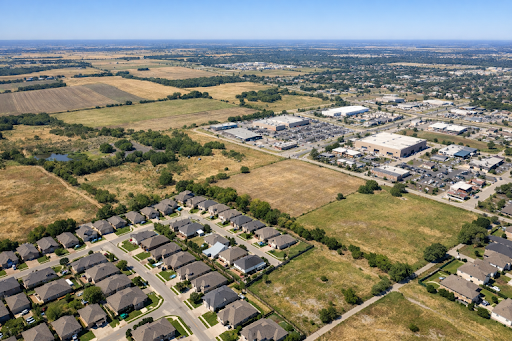
Understanding how your property is zoned is one of the most vital steps for any landowner in Texas. Zoning regulations determine the types of structures you can build, the activities you can conduct, and how your land can be developed or used. If you are unsure where to begin, use resources like How to Find Out Zoning of My Land in Texas to get started. Gaining clarity on your zoning can impact everything from your development plans to future property value. Texas has unique zoning practices that can vary significantly from city to city and from areas within cities to rural zones. New buyers and long-term owners alike should ensure they have the correct zoning information before making decisions about improvements or sales. This process is essential whether you plan to subdivide your land, add residential or commercial structures, or ensure compliance with local ordinances. Accurate zoning knowledge helps protect your investment and offers confidence for any future land use decisions. Zoning regulations can sometimes be difficult to navigate, especially given ongoing changes in city ordinances and the introduction of new development rules. Municipal and county governments may have different approaches, and sprawling Texas municipalities can adopt their own zoning terminology and enforcement techniques. Accessing clear, up-to-date zoning information is crucial for successful, legal, and profitable property use. Along with public resources, specialized real estate and land services can offer significant support. You might also want to visit https://www.webuylandquick.com/ for further assistance or to connect with professionals experienced in buying, selling, or developing land in Texas.
Gather Property Information
Before analyzing zoning regulations, collect these key details about your property:
- Property Address: Use the address as registered with the local government. This is your first step to finding official records.
- Parcel Number: This unique number identifies your plot in local tax and land records. It often appears on your tax bill.
- Legal Description: Found on the deed, this outlines the exact boundaries and location details necessary for zoning research.
Utilize Online Resources
Several Texas counties and major cities offer online platforms enabling property owners to determine zoning classifications:
- County GIS Systems: Many counties use Geographic Information Systems (GIS) with interactive zoning maps. For example, the City of Austin’s Property Profile map allows users to enter their address, providing immediate access to zoning and property data. Houston and Dallas offer similar interactive mapping portals.
- Statewide Databases: The Texas Zoning Atlas provides an overview of zoning designations across different jurisdictions in Texas, including overlays and related restrictions.
Contact Local Authorities
For areas where online information is incomplete or if you have unique questions, contacting the city or county planning and zoning offices is essential. These departments can provide official and up-to-date details about zoning types, permitted uses, and any special circumstances for your property. Large cities like Houston, San Antonio, and Dallas have planning staff available for both walk-in and phone inquiries. Rural counties may require an appointment or written request. They can guide you through requirements for rezoning applications or confirm whether your intended project meets current zoning allowances. This makes local authorities a critical resource in your zoning research journey.
Understand Zoning Codes
Each Texas municipality and many counties use their own zoning codes, often featuring abbreviations like “R” for residential, “C” for commercial, or “I” for industrial. These codes may include subcategories that define things like minimum lot sizes, maximum building heights, and the types of activities allowed. For instance, Austin’s “SF-3” refers to single-family homes, while “CS” refers to commercial services. Interpreting these codes can be complex, so reviewing the official zoning code manual for your specific locality is important. The Texas Zoning Atlas offers insights on why these codes are changing in response to modern issues like housing affordability.
Consider Extraterritorial Jurisdiction
Texas cities have limited authority outside their official boundaries in areas called Extraterritorial Jurisdictions, or ETJs. The ETJ allows a city to extend certain regulations, such as subdivision rules or public health ordinances, over land located just outside its official city limits. If your land lies near a city, check ETJ maps on your city’s website or contact the city’s planning office. Your development rights, required permits, and obligations may differ from those of other rural or urban areas, significantly impacting your development possibilities.
Stay Updated on Zoning Changes
Zoning regulations in Texas can change swiftly in response to local needs or broader policy goals. For example, Dallas has recently begun an ambitious overhaul of its codes to boost housing affordability and reshape long-term growth. Watching city websites or subscribing to city planning newsletters will ensure you receive the latest news about amendments or proposed changes.
For complex projects or where large investments are at stake, turning to legal, real estate, or consulting professionals is advisable. Land use attorneys, local land planners, and real estate agents experienced with regional zoning will save you time and shield you from costly missteps. Their services are especially valuable during rezonings, variances, or when facing strict neighborhood covenants not immediately apparent in city databases. Their expert perspective can facilitate a smoother project approval and reduce your compliance risk.
Conclusion
Determining the zoning of your land in Texas requires careful research and sometimes consultation with local officials or professionals. By systematically gathering your property information, leveraging both online databases and city resources, and staying informed about regulatory changes, you can confidently pursue your property goals while maintaining full legal compliance. Being proactive in understanding your land’s zoning opens opportunities and protects your real estate investments across Texas’s dynamic market.
