

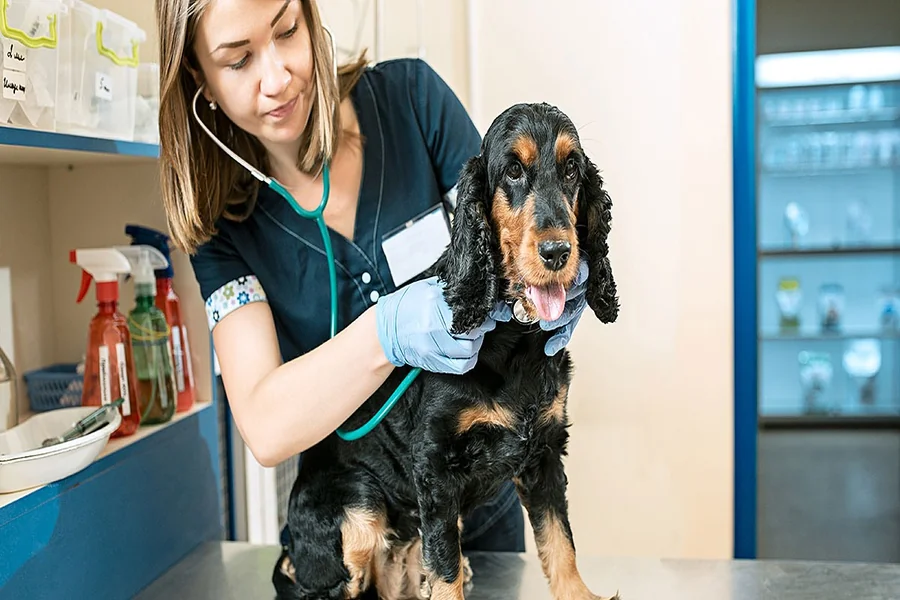
Your pet trusts you for every need. You want more years together, not fewer. Routine checkups give you that chance. During a visit, a veterinarian in London, ON looks for quiet warning signs that you cannot see. Small lumps. Heart changes. Weight shifts. Changes in teeth and gums. Each one can shorten your pet’s life if you ignore it. Regular exams catch disease early. Treatment is simpler. Your pet feels less pain. You also learn what to feed, how much to exercise, and when to worry. These visits protect your heart, too. You avoid crises, late-night emergencies, and hard choices made in fear. Checkups are not a luxury. They are basic care, like food and water. When you keep these appointments, you give your pet time. More walks. More naps. More quiet moments beside you.
Why regular checkups add years to your pet’s life
Many serious problems start small. You often cannot see them. Your pet cannot explain them. A routine exam gives your vet time to find these early changes and act fast.
During a checkup, your vet will usually:
- Listen to the heart and lungs
- Check eyes, ears, teeth, and gums
- Feel the abdomen for pain or mass
- Check joints and spine for stiffness
- Review weight and body condition
Each step looks simple. Together, they give a clear picture of your pet’s health. Small changes today can prevent organ failure, cancer spread, or sudden collapse later.
The American Veterinary Medical Association advises at least one exam each year for healthy adult pets. Young, senior, or sick pets need more visits. This schedule is not extra. It is basic protection.
What your vet can find before you notice
You see your pet every day. That makes slow changes easy to miss. A fresh set of trained eyes can catch early warning signs.
Common problems found during routine visits include:
- Dental disease that causes pain and infection
- Heart murmurs that signal early heart disease
- Lumps or bumps that may be cancer
- Kidney or liver changes picked up on blood tests
- Weight gain or loss that hints at hormone disease
- Arthritis that limits movement and sleep
Each of these can shorten life if ignored. Caught early, many can be managed for years with simple steps. You give your pet comfort and more time with you.
How often does your pet need a checkup
Needs change with age and health. Use this as a starting point. Then follow your own vet’s advice.
| Pet life stage | Typical age | Suggested checkup frequency | Key focus at visits
|
|---|---|---|---|
| Puppy or kitten | 0 to 12 months | Every 3 to 4 weeks, then every 6 to 12 months | Vaccines, growth, parasites, behavior training support |
| Healthy adult | 1 to 6 years (dogs) 1 to 7 years (cats) | At least once each year | Weight, teeth, early disease checks, lifestyle risks |
| Senior | 7+ years (dogs) 8+ years (cats) | Every 6 months or as advised | Blood work, organ function, pain control, mobility |
This simple schedule can prevent long hospital stays, strong medicines, and sudden loss. Regular visits trade short appointments now for less suffering later.
Vaccines, parasite control, and longer life
Checkups are more than a quick look. They are also the time to keep vaccines and parasite control up to date.
During these visits, your vet can:
- Update core vaccines that prevent deadly disease
- Review tick, flea, and heartworm prevention
- Test for hidden infections spread by insects
These steps protect your pet and your family. Some diseases can pass from animals to people. Rabies is one example. Regular care blocks these threats before they reach your home.
The U.S. Centers for Disease Control and Prevention shares clear guidance on how pet health links to human health. A strong partnership with your vet keeps that link safe.
Dental care and the hidden cost of bad teeth
Many pets live with mouth pain for years. You may notice only bad breath or slow chewing. Infection in the mouth can spread to the heart, liver, and kidneys.
During a checkup, your vet will:
- Look for red gums and loose teeth
- Check for broken teeth and mouth growths
- Explain home brushing and safe chews
- Plan cleanings when needed
Regular dental checks reduce chronic pain. They also cut the risk of organ damage. This means better sleep, better eating, and more energy for play.
Weight, food, and movement
Extra weight shortens life. It strains joints, heart, and lungs. It raises the risk of diabetes and some cancers. Thin pets also face risk from weak muscles and low reserves during illness.
At each visit, your vet can:
- Record weight and body condition score
- Suggest a feeding plan that fits your pet
- Set simple movement goals that match age and health
Small changes in food and activity add up. Three steady steps help most pets. Measure every meal. Use treats in small pieces. Build short, regular play or walk times.
Planning for aging with less fear
Every pet ages. That truth hurts. Regular checkups turn that fear into a plan. You learn what to expect and how to respond.
For senior pets, your vet may:
- Run blood and urine tests once or twice each year
- Check hearing, sight, and mental changes
- Adjust pain medicine and joint support
- Talk through hard choices before a crisis
This planning does not shorten life. It often extends it. Early treatment, gentle pain control, and home changes give your pet comfort and dignity.
How to get the most from every visit
You can shape each checkup into a strong tool for your pet’s health. Use three simple steps.
- Write down changes you notice at home
- Bring a list of food, treats, and medicines
- Ask clear questions about next steps
Leave each visit knowing three things. What is going well? What needs watching? What must you do before the next appointment? That clarity protects your pet and eases your mind.
Regular veterinary checkups are an act of quiet love. They may feel routine. They are not. They are your steady way to trade small effort now for more shared years, more calm nights, and more soft fur under your hand.
