

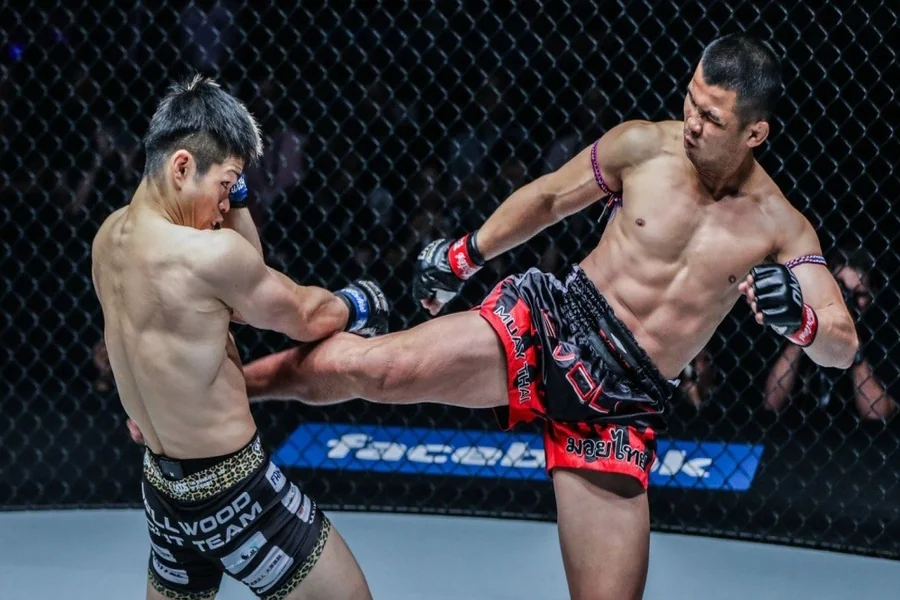
For athletes who want more than surface level improvement, Muay Thai camps in Thailand offer lessons that standard gyms rarely provide. These camps are not designed for convenience or comfort. They are built around repetition, discipline, and performance. Muay Thai conditioning develops endurance and power. That is why fighters, mixed martial artists, and serious amateurs travel from across the world to train here year after year.
Training Volume That Reshapes Athletic Capacity
Most Muay Thai camps run two daily sessions, each lasting 90 to 120 minutes. This creates three to four hours of structured training per day. Sports conditioning research shows that high volume skill based training accelerates neuromuscular adaptation when recovery is adequate. Athletes training six days per week often log more than 18 hours of movement, far exceeding the workload of most commercial gyms.
Technique Learned Through Thousands of Repetitions
Gyms often rely on short classes with limited repetition. Thai camps focus on volume. Athletes repeat the same strikes, footwork patterns, and clinch positions hundreds of times per session. Motor learning research shows that high repetition under supervision leads to faster skill automation and improved efficiency. This is how techniques move from conscious effort into instinctive execution.
Coaches Who Teach From Real Fight Experience
Many trainers in Thailand are former professional fighters with extensive ring experience. It is common to train under coaches who have competed in over 100 sanctioned bouts. This background matters. Coaches understand timing, fatigue, and tactical decision making under pressure. Athletes learn how techniques function in real competition, not just in drills.
Conditioning That Transfers Across Sports
Muay Thai conditioning develops endurance, power, and resilience together. Pad rounds, clinching, and sparring push athletes into high intensity zones repeatedly. Studies show that combat sports training can improve aerobic capacity by up to 15 percent within eight weeks. Grip strength, core stability, and lower body power also improve, which benefits sports like MMA, rugby, and endurance racing.
Mental Toughness Built Into Daily Life
Athletes often underestimate the mental side of performance. Thai camps create mental strength through routine and challenge. Early mornings, consistent training, and controlled discomfort build resilience. Sports psychology research links structured adversity with improved stress tolerance and focus. Over time, athletes learn to stay calm and effective under pressure.
Training Partners Who Raise the Standard
Thai camps attract athletes from more than 100 countries. You train alongside professionals, amateurs, and highly disciplined travelers. Research on performance environments shows that athletes improve faster when surrounded by peers with equal or higher skill levels. This daily exposure raises expectations and effort without the need for external motivation.
Recovery Integrated Into Performance
Unlike many gyms, Thai camps respect recovery. Warm climates support muscle relaxation, while lighter afternoon schedules allow rest. Sports recovery studies show that proper sleep and active recovery can improve training adaptation by up to 30 percent. Massage therapy, stretching, and mobility work are common parts of camp life.
Lessons That Stay With You
The most valuable takeaway for athletes is not just fitness or technique. It is understanding how to train with intent. Many athletes return home with improved conditioning, better discipline, and a clearer sense of progression. Resting heart rates often decrease, recovery improves, and performance becomes more consistent.
Thailand’s Muay Thai camps such as Suwit Muay Thai gym teach athletes how to train seriously, efficiently, and sustainably. That knowledge is difficult to find in regular gyms and is exactly why athletes continue to travel here to level up.
