

Key Takeaways:
- Implementing simple energy-saving measures can significantly reduce utility bills and environmental impact.
- Upgrading to energy-efficient appliances and systems offers long-term savings and improved home comfort.
- Regular maintenance and mindful usage of household devices enhance overall energy efficiency.
Understanding Energy Efficiency in the Home
With rising energy costs and growing concerns about environmental sustainability, making your home more energy-efficient is essential. Energy efficiency means achieving the same or better results while using less energy, and that translates to lower utility bills and a reduced carbon footprint. Residents in many communities are seeking guidance from experts, such as a commercial HVAC contractor in Northern Virginia to help optimize home energy systems for daily comfort and savings.
A focus on energy efficiency allows homeowners to create comfortable living spaces year-round, minimizing unnecessary waste and making a positive impact on the environment. By adopting effective energy-saving practices, you can also extend the lifespan of key household systems, reducing costs and the need for frequent repairs.
The path to greater energy efficiency starts with understanding where your home uses the most energy. Typically, heating and cooling, lighting, and everyday appliances are the biggest contributors. Evaluating these areas reveals many opportunities for small adjustments with a big collective impact.
Whether you live in a new build or an older house, practical changes to your daily habits and routine maintenance can easily improve your home’s energy performance. For broader context and helpful tips, the U.S. Department of Energy provides comprehensive guidance on energy-saving opportunities for residential homes.
Simple Daily Habits to Reduce Energy Consumption
Minor lifestyle changes can aggregate into substantial energy savings every month. These habits are simple and cost-effective, and many require little to no financial investment:
- Unplug Unused Electronics: Even devices switched off but left plugged in, such as phone chargers or entertainment systems, continue to draw power. Use power strips to quickly disconnect groups of devices and eliminate this “phantom” energy use.
- Utilize Natural Light: Open curtains and blinds during daylight hours to illuminate your home naturally, which reduces reliance on electric lighting and helps create a warmer or cooler indoor environment, depending on the season.
- Adjust Thermostat Settings: Lower the thermostat by a few degrees in winter or raise it in the summer to significantly cut heating and cooling costs without sacrificing comfort. Programmable thermostats can automate these changes when you are away or asleep.
These simple adjustments require only mindfulness and consistency, yet they can add up to meaningful savings on your utility bills over time.
Upgrading to Energy-Efficient Appliances
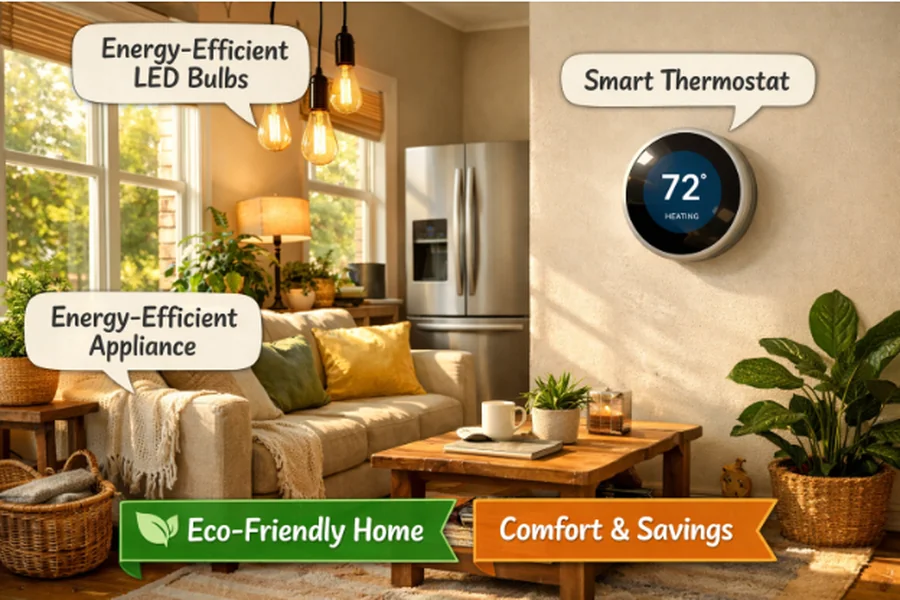
Investing in modern appliances and fixtures designed for low energy consumption is a significant step toward an efficient household. Items bearing the Energy Star label have passed rigorous standards for efficiency, ensuring optimal performance with lower energy requirements. For example, LED lighting uses a fraction of the energy compared to traditional incandescent bulbs and will last considerably longer.
Replacing older refrigerators, washers, and water heaters with energy-efficient models reduces both operational costs and overall household energy use. When planning major upgrades or replacements, Energy Star’s appliance guides can help you make the smartest choices for your home.
Enhancing Home Insulation and Sealing
Effective insulation and airtight sealing are foundations of energy savings. Homes often lose energy through gaps and cracks in windows, doors, and foundations. Applying weatherstripping, using caulk, and adding insulation to attics, basements, and crawlspaces reduces unwanted drafts and maintains preferred indoor temperatures.
Improvements like these help prevent energy loss, which means your HVAC system does not have to work as hard to maintain comfort, ultimately saving money and reducing wear and tear.
Implementing Smart Home Technologies
Smart thermostats, energy monitors, and automated lighting controls are more than convenient; they are powerful tools for cutting energy consumption. These devices can adapt to your usage patterns, optimize heating and cooling according to home occupancy, and even provide actionable feedback on your usage trends. Many homeowners find that smart technology investments pay for themselves within a short period.
For instance, using a programmable thermostat to adjust the temperature based on your daily routine can reduce energy usage without sacrificing comfort. Energy usage monitors can also pinpoint where you might be losing efficiency and recommend practical remedies.
Regular Maintenance for Optimal Performance
Consistent maintenance is crucial to keep household systems running at peak efficiency. Change HVAC filters regularly, clean vents and coils, and service heating and cooling systems at least once a year. Appliances such as refrigerators and dryers also benefit from periodic cleaning and checks to ensure they are operating correctly.
Not only does this lower energy use, but it also helps avoid expensive breakdowns and extends the life of your home’s essential equipment. Maintenance is an often-overlooked step that maximizes every dollar spent on energy.
Considering Renewable Energy Sources
For homeowners looking to make a bigger commitment to energy independence, installing renewable energy solutions, particularly solar panel systems, can dramatically reduce reliance on the grid. While installation has upfront costs, the long-term returns often include notable utility savings and increased home value. Additionally, many states and localities offer rebates or incentives to offset installation expenses. Learning more about available options helps you determine whether renewable energy fits your household’s needs and goals.
Conclusion
Making energy efficiency a priority is not just about lowering costs; it is about creating a healthier, more sustainable living space for your family and the environment. From simple habit changes and routine maintenance to smart technology and larger investments in home improvements, every effort moves you closer to a more efficient home. By staying informed and taking practical steps, every homeowner can contribute to a brighter, greener future.
