

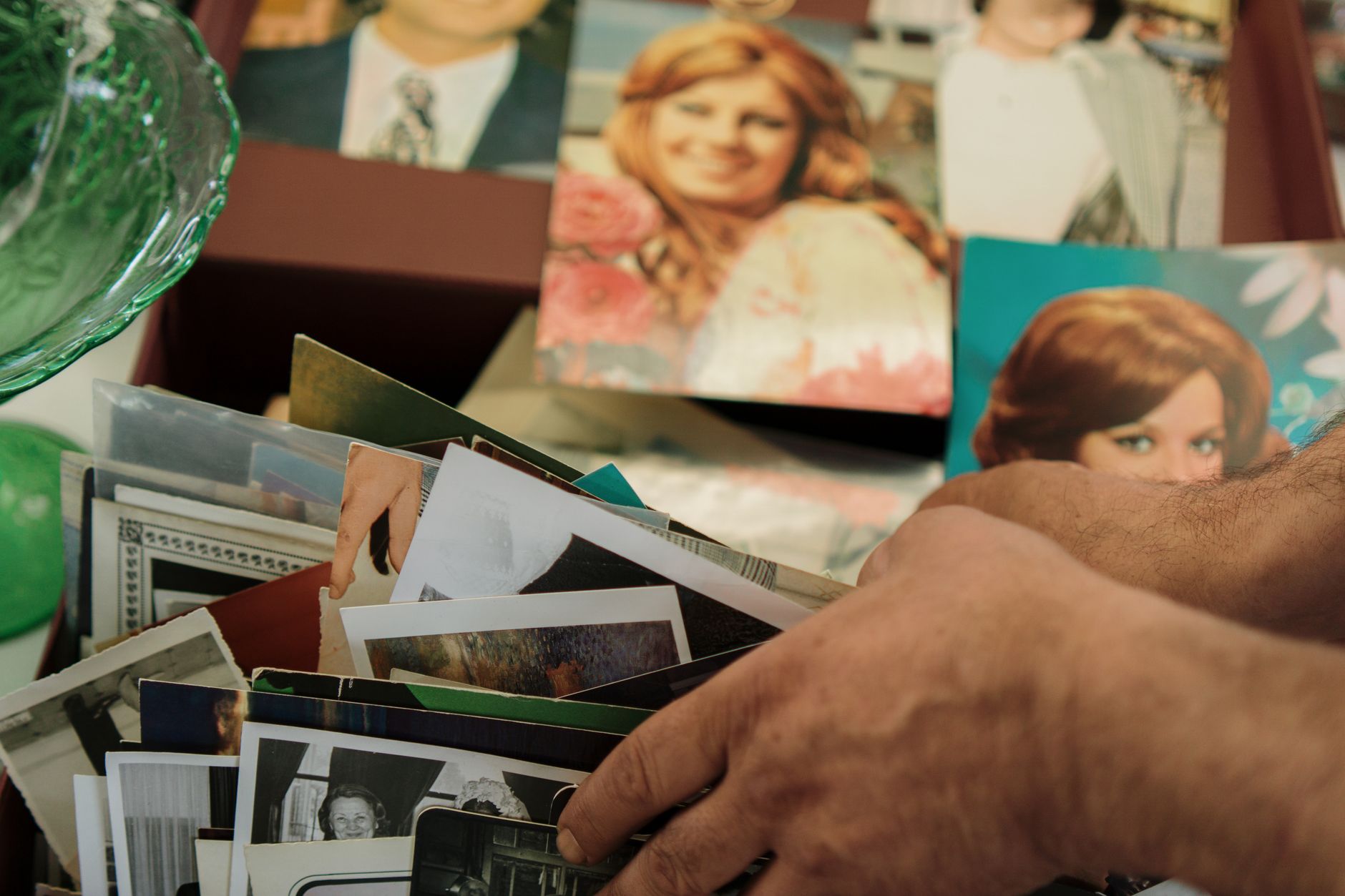
A child visiting a cemetery may begin with a simple question: “Who was this?” The name and dates provide a starting point, but the answer usually comes from the person standing beside them. A story about a long journey, a family business, or an everyday habit turns the inscription into someone they can begin to imagine.
That exchange shows both the value and the limits of a headstone as a family record. It identifies a person in a place, but it cannot explain an entire life. When the physical memorial and the family’s records support each other, each becomes more useful.
Designing a new memorial can therefore be an opportunity to gather information, resolve uncertainties, and preserve stories that might otherwise remain scattered. The goal is not to turn the stone into a biography. It is to make the inscription accurate and create a separate record that gives future relatives a fuller answer to that first question.
Begin with the name people will need to recognize
A person may appear under different names across a lifetime. Records can include a birth name, married name, shortened name, transliteration, or preferred name. Family members may use a nickname that appears nowhere in formal documents.
Decide which form belongs on the memorial and why. The choice should reflect the person and meet the cemetery’s requirements, while remaining understandable to later relatives. If a nickname is included, consider whether the full name should also appear to make identification easier.
Keep the other known name forms in the family record. A future researcher may need them to find school documents, immigration papers, newspaper notices, or other sources. Recording the variations now can prevent two spellings from being mistaken for two different people.
Do not quietly correct an unfamiliar spelling based on what seems more common. Check with the family and relevant records. The exact form may reflect a language, a personal choice, or a change made during the person’s lifetime. Preserve the reason when it is known.
Verify dates before they become part of a permanent record
An inscription is easy to copy into a family tree, which means an error can spread beyond the stone itself. Compare the proposed dates with reliable records and note which sources support them. If the documents disagree, investigate the difference before approving the engraving.
A birth certificate, death certificate, family register, or other record may contain useful information, but no single document should be treated as infallible merely because it looks official. Check what event the date actually describes and whether the person named is the correct individual.
The National Archives identifies census, military, immigration, naturalization, and land records among the resources used in genealogy. Those records can provide context when the family is tracing a person’s life. They may also help distinguish relatives with similar names, although the relevant evidence depends on the question being researched.
When a detail remains uncertain, keep that uncertainty in the research notes rather than choosing the most convenient answer. Ask the cemetery and memorial provider what wording is appropriate if the family cannot establish an exact date. A truthful record is more valuable than false precision.
Use the stone for the information that belongs there
Space on a monument is limited. The name, dates, and a short personal detail may be all that the design comfortably supports. A long list of achievements can make the basic information harder to read and still leave much of the life untold.
Families considering Upright Headstones can compare layouts that give the name a clear place while allowing a modest amount of additional wording. Use the actual proposed inscription in the design review. A sample filled with shorter names may suggest more available space than your family will have.
Choose extra information because it helps identify or remember the person. A meaningful relationship, a place connected to their life, or a brief phrase may serve that purpose. There is no obligation to include every role they held.
Keep the longer biography elsewhere. A printed family booklet, a well-organized digital folder, or a recorded conversation can hold details that would crowd the monument. The stone and the family archive can do different jobs while referring to the same person accurately.
Gather ordinary stories while people can still tell them
Family history often begins with major events, but ordinary details can be easier to lose. Ask about routines, favorite meals, working habits, or the route someone walked every day. These questions can bring out memories that a request for a formal biography does not.
Be specific. “What happened when you visited their house?” may produce more detail than “What were they like?” Ask who else was there, where the story took place, and approximately when. The extra context helps later readers understand the memory.
With permission, record the conversation or take notes and read them back to the speaker. Preserve the storyteller’s name and the date of the conversation. A memory should remain identifiable as that person’s account rather than being silently converted into an established fact.
Different relatives may remember an event differently. Save those differences respectfully. You do not have to force every recollection into one agreed version, especially when the story is not needed for the inscription. The record can say who remembered what and leave room for future evidence.
Explain the personal details chosen for the design
A flower, emblem, or landscape may seem obvious to the relatives selecting it. Years later, its meaning could be lost. Add a short explanation to the family record describing why the image was chosen and who suggested it.
For example, a bird might represent a species someone watched from a kitchen window rather than a general spiritual idea. A mountain scene might refer to a particular journey. Recording that association protects the personal meaning from being replaced by a generic interpretation.
Do the same for an epitaph or quotation. Keep the exact source when one exists and explain why the phrase mattered. If the wording was written by the family, record that too. Future relatives should not have to guess whether it was a favorite saying or a line selected during the design process.
Save the approved artwork and proof alongside the explanation. The design record can establish what was intended if a later photograph is hard to read. It can also help a professional understand the original layout if additional engraving is requested.
Photograph the memorial and its location clearly
After installation, take a straight-on photograph that shows the full inscription, plus a wider view of the monument and surrounding area. Keep an unedited original of each image. A tightly cropped photograph of a name may be useful for reading but insufficient for locating the grave.
Record the cemetery name, address, section, lot, and grave reference supplied by the office. A phone’s location tag can be an extra aid, but it should not replace the cemetery’s own identifier. A future visitor may be using printed records or a different mapping service.
Follow cemetery photography rules and consider the privacy of nearby families. If you share an image publicly, avoid including unrelated identifiable graves unnecessarily. A private family archive and a public memorial page may call for different selections of photographs.
Do not alter or disturb a stone to make an inscription easier to photograph. If an older marker is difficult to read or appears unstable, ask the cemetery for assistance. Documentation should preserve the information that can be gathered safely rather than create a new physical problem.
Build a small archive that others can navigate
A family archive does not need to be elaborate. Begin with a folder for the person and a short index explaining what it contains. Separate original records, photographs, personal recollections, and the monument paperwork so their different purposes remain clear.
Use filenames that identify the person, approximate date, and subject. A file called “family-photo-final-new” becomes difficult to understand outside the conversation in which it was created. A descriptive name saves later relatives from opening every image to find the one they need.
Keep a copy in another location and tell someone else how to access it. A collection stored on one person’s phone can become unavailable even when the files themselves have not been intentionally deleted. Periodically check that the copies still open and that the chosen account or storage method remains usable.
Protect information about living relatives. A document useful for family research may contain details that do not belong on a public website. Keep a complete private record where appropriate and create a separate version for sharing instead of treating every item as automatically public.
Give younger relatives a way into the story
A cemetery visit can be easier to understand when it centers on one person and one story. Explain the relationship in familiar terms, then connect the inscription to a photograph or memory. Avoid overwhelming a child with several generations of names at once.
Invite questions without expecting a particular emotional response. A younger relative may be curious about the lettering, a symbol, or why two names share one stone. Those practical questions can become a natural route into the family’s history.
You can also involve relatives who cannot visit. Share the location record, a clear photograph, and a short account of the person. A familiar story read aloud may convey more than a long list of dates sent without context.
As children grow, offer the fuller records and explain how information was checked. Showing the difference between a document, a memory, and an unresolved question teaches care in handling family history. It also gives them permission to keep researching rather than accept every inherited statement without examination.
Keep the memorial record open to future learning
New information may emerge after the monument is installed. Add it to the family archive with its source and date. If it suggests an inscription error, discuss the issue with the family, cemetery, and a qualified monument professional before deciding what to do.
Do not attempt to change an existing stone yourself. The physical options and permissions need to be assessed properly, and the original inscription remains part of the record even when it contains a mistake. Photographs and notes can document both the issue and any later correction.
A thoughtful memorial gives a name a visible place. The records beside it give future relatives a way to learn who that person was. When someone eventually asks, “Who was this?” the family can offer an accurate starting point, a few familiar details, and a story worth continuing.
