

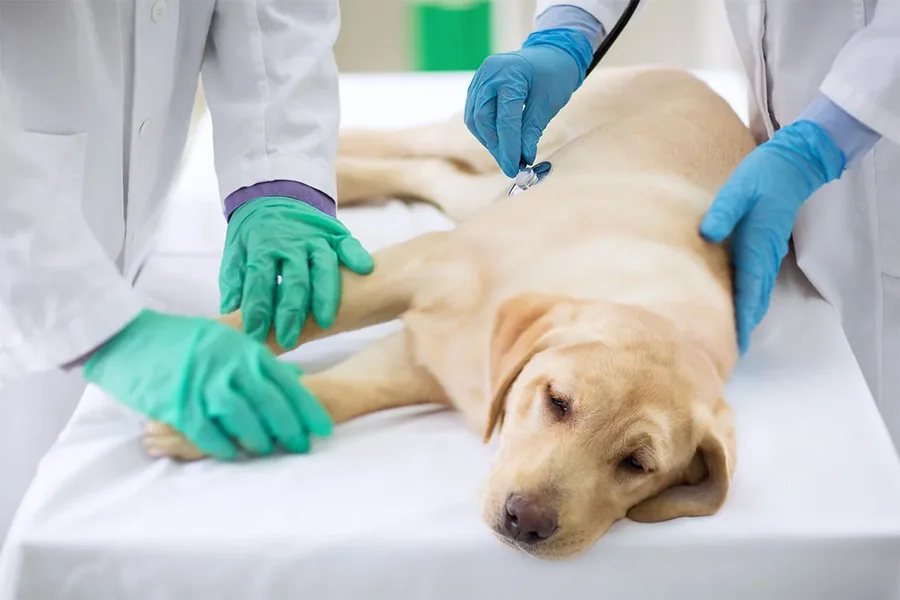
Spaying and neutering pets often come with mixed messages. Some of these messages are myths that can confuse you. It’s time to understand the benefits and set clear expectations. You want the best for your pet. You want them healthy and happy. North Augusta veterinary experts suggest that spaying and neutering play a role in achieving this. These procedures can prevent unwanted behaviors and health issues. Your pet’s well-being is your priority. By learning more, you prepare for what happens before and after surgery. It helps when you know what to expect. You can ensure a smooth process by making informed decisions. This not only benefits your pet but also your home life. Proper knowledge can ease anxieties while supporting your pet in their journey of life. Understanding these topics helps you become a responsible and caring pet owner. Your pet deserves compassion and care.
Common Myths
Spaying and neutering attract many myths. For example, some say it changes a pet’s personality. This isn’t true. Your pet remains the same lovable companion. Others believe it’s too expensive. In reality, the cost of managing an unwanted litter is higher.
Here’s a quick look at a few more myths:
- Myth: It’s better to let pets have one litter first.
- Truth: Early spaying or neutering is healthier.
- Myth: Neutered pets become overweight.
- Truth: Weight depends on diet and exercise, not surgery.
The Benefits of Spaying and Neutering
Spaying and neutering provide numerous benefits. Firstly, these procedures help control the pet population. This reduces overcrowding in shelters. They also lower the risk of certain cancers. Spayed females have less risk of uterine infections. Neutered males face fewer prostate issues.
Moreover, altered pets often live longer. They tend to escape less often, reducing the chance of accidents. Your pet’s behavior can improve too. Many aggressive behaviors decrease. You gain a better companion, and your pet enjoys a healthier life.
Consider the following comparison table to grasp key benefits:
| Aspect | Spayed/Neutered | Intact |
|---|---|---|
| Health Risks | Lower cancer risk | Higher cancer risk |
| Behavior | Less aggression | More aggression |
| Lifespan | Longer | Shorter |
What to Expect Before and After Surgery
Preparation is key. Before surgery, your vet will perform a health check. Follow their instructions on feeding. After surgery, your pet may be groggy. Provide a quiet place for rest. It’s normal for appetite to return slowly.
Monitor the incision site for redness or swelling. These may signal infection. Contact your vet if you notice anything unusual. Keep your pet from licking the area. A cone collar can help. Offer comfort and reassurance.
Making Informed Decisions
Choosing to spay or neuter your pet is a personal decision. Discuss concerns with your vet. Use credible sources to inform yourself. The American Veterinary Medical Association provides guidance. Your choices affect your pet’s future and quality of life.
Being proactive helps you care for your pet. They depend on you. Ensuring their health and happiness is within your power. Through education, you can dispel myths and embrace the truth. Your decision is a step toward responsible pet ownership.
Conclusion
Spaying and neutering offer many benefits. They improve your pet’s health and well-being. Myths may mislead you. But facts provide a clear path. When you understand the process, you ensure the best for your pet. Knowledge gives you confidence. And your pet deserves nothing less.
Choose wisely. Act with care. Your pet’s future is brighter when you make informed choices. Embrace your role as their guardian. They trust you. And their happiness depends on you.
