

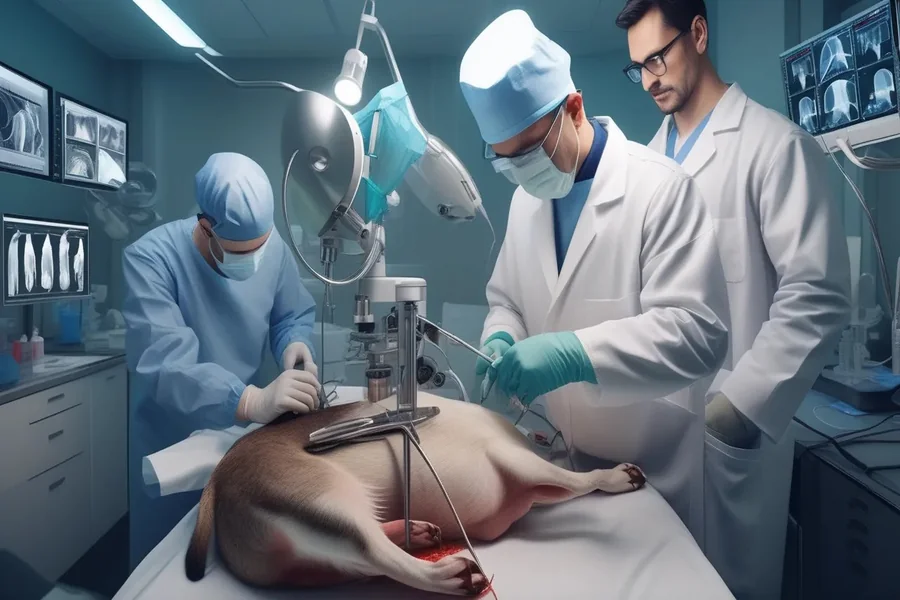
Every day, veterinary hospitals play a crucial role in improving the lives of pets. When treatments and medicine aren’t enough, surgery often becomes necessary. Common surgical procedures at these hospitals can drastically enhance your pet’s health and quality of life. Whether it’s a routine spay or neuter, dental surgery, or more urgent operations like foreign object removal, these procedures are essential. A skilled veterinarian in South Kitchener might perform these surgeries with precision and care. Understanding these procedures helps you make informed choices for your pet’s well-being. It reassures you that your furry friend is in capable hands. Surgery might seem daunting, but knowing what to expect can ease concerns. You’ll feel confident that the veterinary team will provide exceptional care. This blog will guide you through the most common surgical procedures. It emphasizes their importance and the peace of mind they bring to loving pet owners like you.
Spaying and Neutering
Spaying and neutering are among the most common procedures performed at veterinary hospitals. These surgeries prevent unwanted litters, reduce certain health risks, and can improve behavior. Spaying refers to the removal of the ovaries and uterus in females, while neutering involves removing the testicles in males. The benefits are numerous. For example, spaying can prevent uterine infections and reduce the risk of breast tumors. Neutering decreases the chances of testicular cancer and can curb aggression.
Dental Surgery
Dental health is vital for your pet’s well-being. Dental surgeries are often needed to address issues like broken teeth, gum disease, or infections. These procedures can relieve pain and prevent further complications. Regular dental check-ups can identify problems early, reducing the need for surgical intervention. The American Veterinary Medical Association provides further insights on pet dental care to support your understanding.
Foreign Object Removal
Pets, especially dogs and cats, can be curious creatures. Sometimes this curiosity leads to the ingestion of foreign objects, which can cause blockages or internal damage. Surgical removal of these items is a common necessity. Quick action is crucial. Signs to watch for include vomiting, loss of appetite, and lethargy. If you suspect your pet has swallowed something harmful, immediate veterinary care is essential.
Emergency Surgery
In emergencies, prompt surgical intervention can save your pet’s life. Common emergency surgeries address trauma, such as fractures or internal injuries. The goal is to stabilize and repair damage efficiently. Knowing where the nearest 24-hour veterinary hospital is located can be lifesaving. The AVMA’s guide on emergency services offers resources to prepare for such situations.
Comparison of Common Surgical Procedures
| Procedure | Purpose | Benefits |
|---|---|---|
| Spaying/Neutering | Reproductive control | Prevents health issues, reduces unwanted behavior |
| Dental Surgery | Treats oral health issues | Relieves pain, prevents further dental complications |
| Foreign Object Removal | Removes ingested objects | Prevents blockages and internal damage |
| Emergency Surgery | Addresses trauma or urgent health issues | Saves lives, stabilizes the pet’s condition |
Post-Surgery Care
After surgery, your pet’s recovery is crucial. Follow your veterinarian’s instructions closely. Ensure your pet has a quiet, comfortable space to rest. Monitor for any signs of infection or complications. Proper care speeds recovery and minimizes discomfort. Consistent follow-up appointments assess your pet’s healing and address any concerns. Being attentive and understanding helps your pet return to normal life quickly.
Conclusion
Veterinary surgeries, though sometimes necessary, can worry pet owners. However, these procedures safeguard your pet’s health and enhance their quality of life. By understanding common surgeries and their benefits, you make informed, confident decisions for your pet’s care. Always consult with professionals, and remember the peace of mind that expert veterinary care provides for you and your beloved pet.
