

Your cat or dog depends on a healthy mouth more than you might think. Teeth and gums affect eating, energy, mood, and even the heart. Small problems grow into serious disease when you ignore them. Routine dental care prevents silent pain, infection, and early tooth loss. It also helps you avoid emergency visits and hard choices later. You see only the surface. A trained Marianna veterinarian checks below the gumline, where damage often hides. They look for plaque, broken teeth, and signs of infection. They also guide you on brushing, safe chews, and diet. When you protect your pet’s mouth, you protect their whole body. This blog explains why dental care matters, what warning signs to watch for, and how simple daily steps keep your pet strong through every life stage.
How Dental Disease Hurts Your Pet Over Time
Dental disease starts with soft plaque on the teeth. Then it hardens into tartar. Next the gums swell and pull away from the teeth. Bacteria move into this gap. That is when slow damage begins.
Untreated dental disease can lead to three serious problems.
Chronic pain. Sore gums and loose teeth turn every meal into work.
Infection. Bacteria move from the mouth into the blood and reach organs.
Tooth loss. Once the bone breaks down, teeth can no longer stay in place.
Research shows that mouth bacteria link to heart, liver, and kidney disease.
Signs Your Cat Or Dog Has Dental Trouble
Pets hide pain. You need to watch for small changes. Act early when you see any of these signs.
Bad breath that does not improve
Red, swollen, or bleeding gums
Yellow or brown buildup on teeth
Dropping food or chewing on one side
Pawing at the mouth or face
Loose or missing teeth
Less interest in toys or dry food
Weight loss or low energy
A quiet cat that stops grooming or a dog that stops playing tug may be in mouth pain. You know your pet. Trust your concern.
Why Regular Dental Exams Matter
Yearly exams catch small problems before they spread. Many pets need a full dental cleaning under anesthesia. This is not only for show. It protects long-term health.
During a dental visit, the care team will often:
Review your pet’s history and daily habits
Check each tooth and the gums
Look for broken or worn teeth
Measure pockets around teeth
Take dental X rays when needed
Clean plaque and tartar from above and below the gumline
Polish teeth to slow future buildup
The VCA educational library explains that most dogs and cats show signs of dental disease by age three. Early care changes that path.
Cats And Dogs: Similar Needs, Different Risks
Cats and dogs both need clean teeth. Yet their risks differ. You can use this table to compare common patterns.
Small dog breeds and short-nosed breeds face a higher risk because their teeth crowd together. Cats face quiet but serious problems, such as resorptive lesions, where the tooth breaks down from within.
Daily Steps You Can Take At Home
You control most of your pet’s dental future. Three simple habits protect their mouth and body.
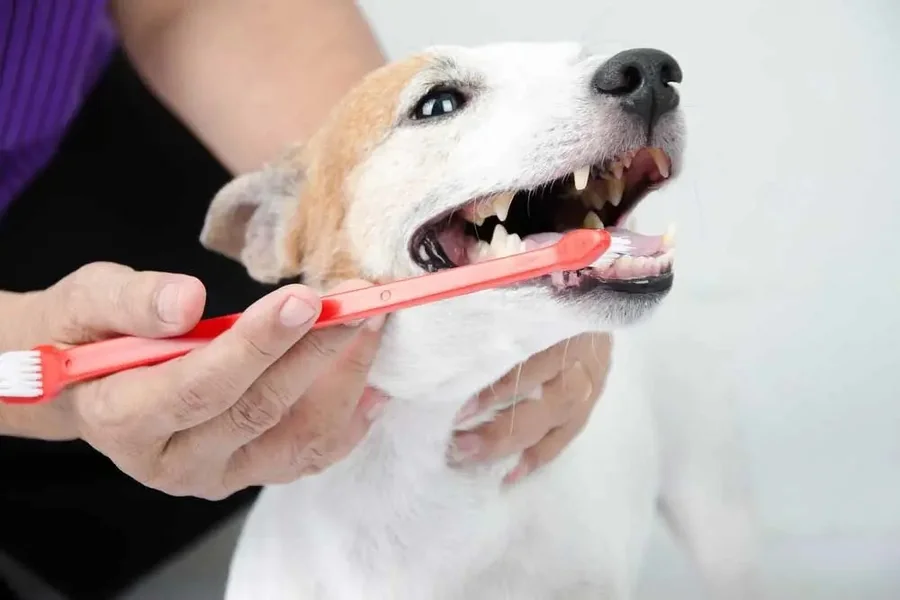
1. Brush Teeth
Use a pet safe toothbrush and toothpaste
Start with short sessions and gentle praise
Focus on the outer surfaces of the teeth
Work toward daily brushing
Never use human toothpaste. It can harm your pet.
2. Choose Food And Chews With Care
Ask your veterinarian about dental diets
Use chews that carry a trusted dental seal
Avoid very hard objects that can break teeth
Raw bones, hard antlers, and hard hooves can crack teeth in one moment. Safer chews give your pet joy without damage.
3. Schedule Regular Professional Cleanings
Plan at least one dental check each year
Increase visits for older pets or high-risk breeds
Follow through on recommended cleanings and X-rays
Each cleaning resets the mouth and slows disease. Skipping years allows deep harm that you cannot see.
Supporting Senior Pets Through Dental Care
Older pets need steady dental care. Age increases the risk of gum disease, loose teeth, and mouth growths. It also increases the impact of mouth bacteria on organs that already work harder.
You can support senior pets by:
Scheduling exams at least twice each year
Watching for changes in eating or chewing
Using softer food when teeth are weak
Discussing blood work before anesthesia
Strong dental care lets your pet enjoy simple daily moments. A pain-free mouth means easier meals, better rest, and more steady affection. Your effort today protects many quiet mornings and calm nights with the animal you love.
