

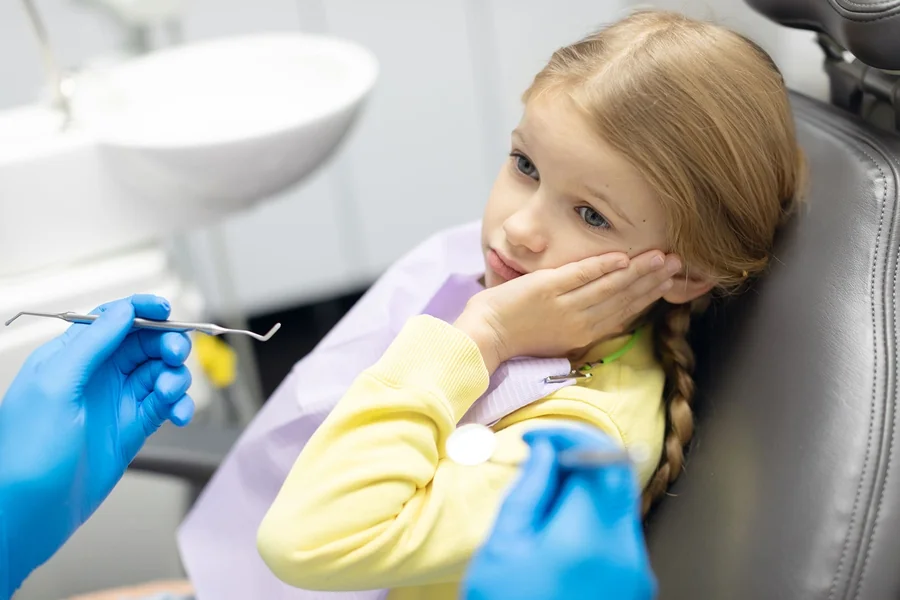
Early cavities start small. They grow fast. You often do not feel them until the damage is deep. Then you face pain, time off work, and a rushed visit to an emergency dentist in Richmond. Preventive dentistry stops that chain before it starts. You focus on simple daily habits, smart food choices, and regular checkups. Then you catch weak spots early. You keep your teeth strong and steady. You also protect your budget. Treatment for early decay costs less than a sudden root canal or extraction. It also protects your confidence when you talk, eat, and smile. This blog explains how preventive visits work, what your dentist looks for, and what you can do at home. It shows how small steps today protect you from early cavities and urgent dental visits later.
What Early Cavities Really Are
Early cavities begin as tiny soft spots in the hard outer shell of your tooth. Plaque sits on the surface. Bacteria in the plaque feed on sugar. They release acid. The acid pulls minerals out of your tooth. First the enamel turns dull. Then it starts to break.
You often see
White or brown spots on teeth
Sensitivity to cold drinks
Food catching between teeth
Many people feel nothing. That silence is the danger. The problem grows while you stay unaware. Regular exams help reveal these quiet changes before pain starts.
Why Prevention Works Better Than Repair
Prevention keeps decay from starting. Repair tries to fix damage that already exists. These are not equal paths. Prevention protects your health, time, and money.
Prevention vs Repair for Early Cavities
Prevention supports your body. Repair fights to catch up. You deserve the first choice.
Daily Habits That Block Early Cavities
You control much of your cavity risk at home. Three habits matter most.
1. Brush the right way
Brush twice a day for two minutes
Use a soft brush and fluoride toothpaste
Angle the bristles toward the gumline
Reach every surface, including the back teeth
Fluoride helps your enamel pull minerals back in. This can stop early spots from turning into holes. The Centers for Disease Control and Prevention explains how fluoride protects teeth at CDC Fluoridation Basics.
2. Clean between teeth
Use floss or small brushes once a day
Slide gently between teeth and along the gums
Focus on tight spaces where the brush cannot reach
Cavities often start between teeth. Cleaning these spaces breaks up plaque before it hardens.
3. Watch what and how often you eat
Limit sugary drinks and snacks
Drink plain water between meals
Choose cheese, nuts, and crisp fruits or vegetables
Each time you eat sugar, acid attacks your teeth for about 20 minutes. Fewer sugar hits mean fewer attacks. Your mouth gets time to heal.
How Regular Checkups Stop Early Cavities
A routine visit is more than a quick look. Your dental team scans for early warning signs that you cannot see.
During a preventive visit, you can expect
Review of your health and medicines
Check of teeth, gums, and soft tissue
Cleaning to remove plaque and tartar
Fluoride treatment when needed
X rays based on your risk
Small changes in color or shape tell the story. The dentist can guide you back on track before a cavity forms. The National Institute of Dental and Craniofacial Research gives plain language facts on tooth decay at NIDCR Tooth Decay Facts.
Protecting Children From Early Cavities
Children face a high risk. Baby teeth have thinner enamel. Juice, snacks, and bedtime bottles feed bacteria. You can cut this risk with three steps.
Start brushing with fluoride as soon as the first tooth appears
Do not send a child to bed with milk or juice
Schedule the first dental visit by the first birthday
Ask about fluoride varnish and sealants. Sealants are thin coatings on the chewing surfaces of back teeth. They block food and bacteria from hiding in deep grooves. That protection can last for years.
Special Protection for Higher Risk Adults
Some adults face an extra risk of early cavities. You may need closer care if you
Have a dry mouth from medicines or health conditions
Wear braces, dentures, or other devices
Use tobacco
Have diabetes
Your dentist may suggest more frequent cleanings, stronger fluoride toothpaste, or prescription rinses. These steps help balance what your body cannot do alone.
When You Still Need Treatment
Prevention cuts risk. It does not promise perfection. If a cavity forms, early treatment still protects you. A small filling keeps the hole from growing. You avoid deeper infection and sudden pain.
Pay attention to signs such as
New sensitivity to sweet or cold food
Rough spots that you feel with your tongue
Dark lines near old fillings
Call your dentist when you notice a change. Waiting turns a simple fix into a crisis.
Take the Next Simple Step
Preventive dentistry is not complex. Brush. Clean between teeth. Choose water and smart snacks. See your dentist on a set schedule. These simple acts guard your smile, your time, and your wallet.
If you have put off a visit, schedule one now. Ask for a clear plan that fits your life. Small steady effort today can spare you from early cavities and the shock of urgent care tomorrow.
