

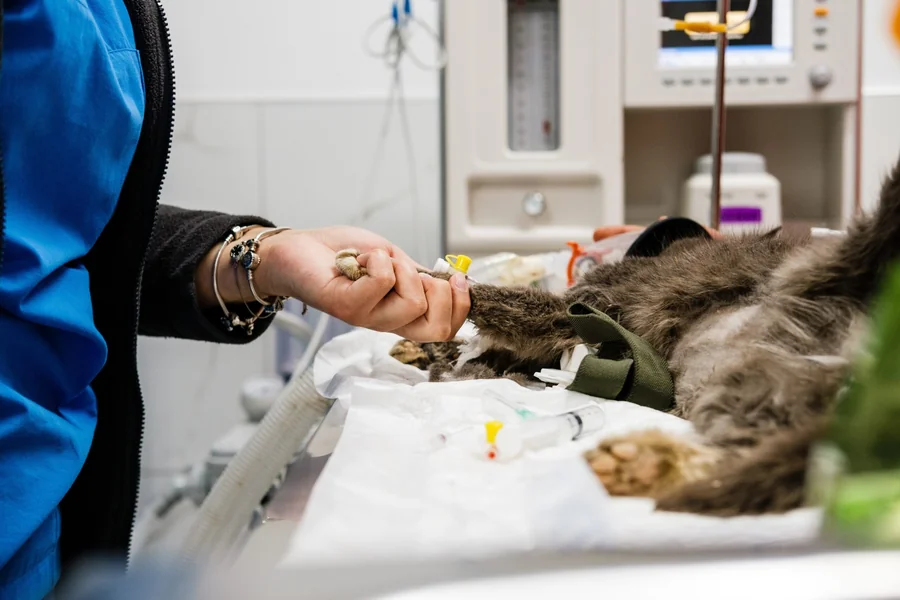
When your animal is in crisis, minutes feel heavy and sharp. You need clear help, not confusion. Veterinary hospitals stand between sudden chaos and steady care. They do more than treat cuts or broken bones. They protect breathing, stop pain, and guide you through hard choices. In an emergency, staff move fast. They check vital signs, run tests, and start treatment. They also speak with you in plain words so you understand each step. Some clinics focus on one type of care, such as Northbridge dental cleaning. Emergency hospitals must be ready for almost anything. Heart failure. Poison. Trauma. Sudden collapse. Each case needs skill, calm, and strong systems. This blog explains how veterinary hospitals respond in those moments. You will see what happens from the second you arrive to the time your animal is stable or moved to follow up care.
What Counts As A Pet Emergency
You know your animal best. Trust your gut. If something feels wrong, it often is. Common emergencies include:
- Struggling to breathe
- Heavy bleeding or open wounds
- Hit by a car or serious fall
- Sudden collapse or seizure
- Eating medicine, toxins, or unknown objects
- Repeated vomiting or diarrhea with weakness
- Not passing urine, or crying when trying to urinate
- Extreme pain, such as crying out when touched
The American Veterinary Medical Association lists many of these warning signs and urges quick care for them.
What Happens When You Arrive
The first minutes at the hospital matter. Staff work on three things.
- Triage. A nurse checks breathing, heart rate, and level of response. The sickest animals move first.
- Stabilization. Staff place IV lines, give oxygen, stop bleeding, and control pain.
- History. Someone asks clear questions. What happened. When it began. Any poisons in the home? Current medicine.
You may wait while the team treats your animal in the back. That time can feel cold and empty. The staff knows this. They try to share updates often and use simple words. You stay part of the team.
Key Services Inside A Veterinary Hospital
Emergency hospitals hold many services in one place. This helps move quickly when seconds matter.
- Diagnostics. Blood work, urine tests, and imaging such as X-rays and ultrasound.
- Surgery. Treatment for internal bleeding, broken bones, or foreign objects in the stomach.
- Intensive Care. Oxygen cages, IV pumps, constant checks, and heart monitors.
- Pain Relief. Careful use of medicine to ease pain and let the body heal.
- Poison Control. Contact with poison hotlines and fast treatment plans.
Many hospitals follow guidance from veterinary schools.
How Emergency Hospitals Differ From Regular Clinics
| Feature | Regular Veterinary Clinic | Emergency Veterinary Hospital
|
|---|---|---|
| Hours | Business hours on most weekdays | Often 24-hour or overnight and weekends |
| Visit Type | Checkups, vaccines, routine surgery | Sudden illness, trauma, life-threatening problems |
| Staffing | General practice doctors and nurses | Emergency doctors, surgeons, and critical care nurses |
| Equipment | Basic lab and imaging tools | Advanced imaging, oxygen support, ICU tools |
| Length of Stay | Most animals go home the same day | Many animals stay overnight or longer |
Both settings matter. Routine care keeps your animal stronger. Emergency care catches the worst days.
Your Role During An Emergency Visit
You cannot control the crisis. You can still help the team.
- Bring a list of medicine and past health problems if you can.
- Carry any poison package or substance your animal may have eaten.
- Stay calm when giving history. Simple, clear facts help the doctor act fast.
- Ask direct questions about risks, costs, and next steps.
- Share your limits and worries so the plan fits your life.
Your words guide the care plan. Honest talk leads to better choices.
Common Emergency Treatments
Emergency hospitals use a set of core treatments again and again.
- Fluids. IV fluids support blood pressure and organ function.
- Oxygen. Masks or cages help animals who strain to breathe.
- Antidotes. Certain poisons have specific counterdrugs.
- Surgery. This can fix torn organs, remove tumors, or repair fractures.
- Monitoring. Repeated checks of heart rate, blood pressure, and lab values show if treatment works.
Each step has one goal. Keep the body working long enough for healing to begin.
Planning Ahead Before Crisis Strikes
You cannot predict every emergency. You can still prepare.
- Save the phone numbers of your regular vet, the nearest emergency hospital, and an animal poison hotline.
- Know the fastest route to the hospital and a backup route.
- Keep a small kit with a muzzle, towel, and a copy of medical records.
- Talk with your family about who will handle transport and payment.
These steps cut the delay. They also calm your mind when fear rises.
Aftercare And The Road Back Home
Emergency care does not end when your animal leaves the hospital. You still carry a large role.
- Give medicine on time and at the dose the doctor writes.
- Watch for new signs such as loss of appetite, trouble breathing, or swelling.
- Protect bandages and incisions from licking or chewing.
- Return for rechecks so the team can adjust the plan.
Strong follow-up care lowers the chance of another crisis. It also shows your animal that home is safe again.
Why Your Trust In Emergency Hospitals Matters
When you walk through those doors, you hand over a life you love. That choice carries weight. Veterinary hospitals answer that trust with training, structure, and constant watch. They stand ready in the quiet hours when others close. They meet you on hard nights filled with fear and questions.
You cannot erase every risk from your animal’s life. You can know who stands ready when the worst happens. That knowledge brings a small measure of peace long before the sirens in your chest begin to sound.
