

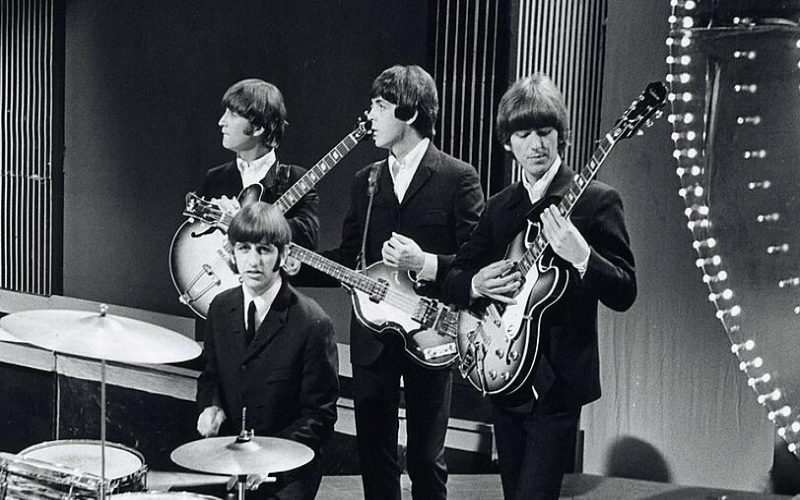
The Beatles, formed in Liverpool, England, in 1960, are widely regarded as one of the most influential and groundbreaking bands in the history of popular music. Comprising John Lennon, Paul McCartney, George Harrison, and Ringo Starr, The Beatles revolutionized the music industry and left an indelible mark on global culture. In this article, we will delve into the extraordinary journey of The Beatles, explore their musical innovations, cultural impact, and enduring legacy.
The Birth of a Phenomenon
In the early 1960s, The Beatles emerged from the vibrant music scene of Liverpool and quickly gained a dedicated following. Their infectious melodies, tight harmonies, and energetic performances captivated audiences. The band’s early hits, such as “Love Me Do” and “Please Please Me,” set the stage for their meteoric rise to stardom.
Musical Innovations and Evolution
The Beatles continually pushed the boundaries of popular music, crafting a distinct sound that blended rock and roll, pop, folk, and elements of other genres. Their songwriting prowess, led primarily by Lennon and McCartney, produced a rich and diverse catalog of songs. From the catchy pop tunes of their early years to the experimental and groundbreaking albums like “Sgt. Pepper’s Lonely Hearts Club Band” and “Revolver,” The Beatles consistently challenged conventions and expanded the sonic possibilities of contemporary music.
Cultural Impact and Beatlemania
The impact of The Beatles went far beyond their music. The band became synonymous with a cultural phenomenon known as “Beatlemania.” Their popularity spread like wildfire, capturing the hearts and minds of millions around the world. The Beatles’ distinctive fashion sense, charismatic personalities, and witty charm made them cultural icons. They influenced fashion trends, hairstyles, and even the way people spoke and behaved. The band’s influence was so profound that it became a catalyst for social change and inspired countless individuals to pursue careers in music.
Global Touring and Live Performances
The Beatles’ live performances were legendary. Despite the challenges of screaming fans and the limitations of the era’s sound systems, their concerts showcased their remarkable musicianship and stage presence. From their historic appearance on “The Ed Sullivan Show” to their final live performance on the rooftop of Apple Corps headquarters, The Beatles’ concerts were transformative experiences that left an indelible impact on both the band and their fans.
Studio Innovations and Recording Techniques
The Beatles’ approach to recording was as innovative as their songwriting. They tirelessly experimented with studio techniques, pushing the boundaries of what was possible within the confines of a recording studio. While commenting on the Beatles, Howard Mathews, a music expert, commented, ….their collaborations with producer George Martin resulted in groundbreaking albums that incorporated unconventional instruments, backward tape loops, innovative multi-tracking, and studio effects.” The Beatles’ studio innovations forever changed the landscape of popular music production.
The Beatles’ Disbandment and Solo Careers
In 1970, The Beatles announced their breakup, marking the end of an era. Following the band’s dissolution, each member embarked on successful solo careers. John Lennon, tragically assassinated in 1980, left behind a powerful legacy as a solo artist and activist. Paul McCartney continued to create music, becoming one of the most successful and enduring musicians in history. George Harrison’s solo work showcased his spiritual journey and musical depth, while Ringo Starr pursued a successful career as a solo artist and actor.
Enduring Legacy and Cultural Influence
Decades after their breakup, The Beatles’ music and cultural impact continue to resonate. Their songs remain timeless classics, beloved by new generations of listeners. The band’s influence can be heard in the work of countless musicians across various genres. The Beatles’ influence extends beyond music, permeating literature, visual arts, and popular culture as a whole. They set the standard for artistic integrity, creativity, and innovation, leaving an indelible legacy that transcends time.
Songwriting Brilliance
The Beatles’ songwriting partnership between John Lennon and Paul McCartney produced an astonishing number of timeless songs. Their ability to craft memorable melodies, poignant lyrics, and innovative song structures set them apart from their contemporaries. From the early simple love songs like “She Loves You” to the introspective and introspective masterpieces like “Strawberry Fields Forever” and “A Day in the Life,” The Beatles’ songwriting brilliance remains unmatched.
Conceptual Albums and Narrative Threads
The Beatles were pioneers in creating conceptual albums that told cohesive stories or explored specific themes. Albums like “Rubber Soul,” “Revolver,” and “Abbey Road” showcased a deliberate sequencing of songs and a narrative thread that elevated the listening experience. Their landmark album, “Sgt. Pepper’s Lonely Hearts Club Band,” introduced the concept of an album as a complete work of art, with songs flowing seamlessly into each other.
Social and Political Commentary
While The Beatles are often celebrated for their catchy pop tunes, they were not afraid to address social and political issues in their music. Songs like “Revolution,” “Blackbird,” and “Imagine” reflected their desire for peace, social justice, and equality. The Beatles’ lyrics served as a platform for expressing their views on war, civil rights, and the counterculture movement of the 1960s.
Conclusion
The Beatles’ journey from a small band in Liverpool to global superstars is an unparalleled story of musical innovation, cultural influence, and enduring legacy. Their music continues to inspire and resonate with audiences worldwide. The Beatles’ impact on popular culture, fashion, and the very essence of what it means to be a musician remains immeasurable. Their remarkable contributions to the world of music have solidified their status as one of the greatest bands of all time, forever transcending live pop culture.
