

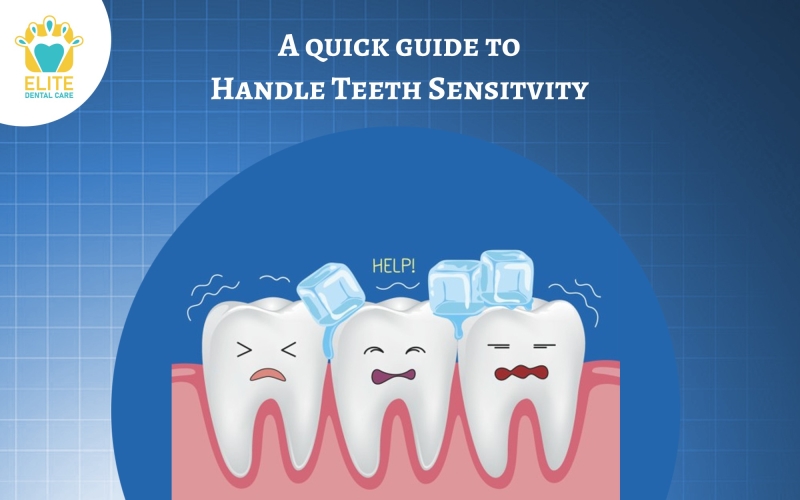
Tooth sensitivity is a common dental problem many people face in St. Cloud. It can be painful, particularly while eating hot, cold, sugary, or sour foods and drinks. So if you discover any tooth sensitivity, you should know why that happens and what you can do to treat and prevent it. This article provides all you need to solve your problem and start smiling without pain as recommended by a family dentist in St. Cloud, MN.
What Is Tooth Sensitivity?
Tooth sensitivity happens when the protective layer of enamel that coats your teeth wears away or the gums recede, exposing the dentin underneath, which is filled with nerve endings. It gives your teeth heightened sensitivity to temperature and some food, which can be painful.
Why Tooth Sensitivity May Happen to You
- Erosion of the enamel: Highly acidic food and drinks, aggressive brushing and teeth grinding can erode the enamel.
- Gum Recession: Gums can recede due to gum disease, lack of oral hygiene, or brushing hard.
- Dentine exposure from tooth decay: Cavities can expose the tooth’s inner layers.
- Cracked Teeth: Cracks may let irritants contact the nerve in the tooth.
- Recent dental work: Previous dental treatments, like fillings or crowns, or whitening, can cause sensitivity for a while.
Ways to Control and Avoid Tooth Sensitivity
Use Desensitizing Toothpaste: These desensitizing toothpaste contain certain compounds that reduce sensation from the surface of the tooth to the nerve. Regular use can offer serious sensitivity relief. Choose a toothpaste that has potassium nitrate or strontium chloride.
Maintain Good Oral Hygiene: Maintaining proper oral hygiene plays a significant role in preventing gum recession and erosion of the enamel. Use fluoridated toothpaste twice a day with sa oft-bristled toothbrush. Floss every day to help remove plaque and food from between your teeth and at the gum line.
Modify How You Brush: Avoid scrubbing too hard, because this can wear away enamel and lead to receding gums. Use gentle circular motions and angle your toothbrush 45 degrees toward your gums.
Steer Clear of Acidic Foods and Drinks: Refrain from eating and drinking things like citrus fruits, soda and wine — which can dissolve enamel — and limit how much you consume. If you do eat them, swish with water afterward, and wait at least 30 minutes before brushing, to give your enamel time to reharden.
Use a Fluoride Mouthwash: Use fluoride mouthwash to strengthen enamel and minimize sensitivity. Use it at least once a day to help protect your teeth against decay and sensitivity.
Wear a Mouthguard: If you clench your teeth while you sleep, a custom-fitted mouthguard can help to prevent enamel erosion as well as minimize sensitivity. See your dentist for a properly fitted guard.
Stay Hydrated: Staying hydrated enables the production of saliva, which is essential for acid neutralization and oral hygiene. Saliva cleanses food debris and bacteria, lessening the chance of enamel wear and decay.
Regular Dental Check-Up: All of these issues can be evaluated during a dentist’s appointment, and regular visits are essential in addressing any sensitivity. Your dentist can detect and address problems early on before they get worse. Visit the dentist for check-ups and cleanings a minimum of two times a year.
The miracle cure to painful tooth sensitivity surfaced in the form of such an irritatingly simple question. These solutions keep you safe from enamel, and gum diseases and a smile that will be pain-free. If you are suffering from chronic sensitivity, schedule an appointment with your dentist in St. Cloud to create a treatment plan that is right for you. With the right care, you can find permanent relief and improve your overall oral health.
