

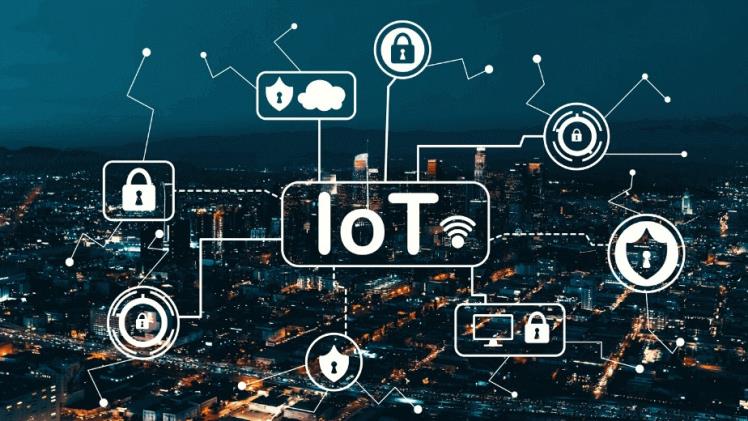
The Internet of Things (IoT) has rapidly evolved, transforming the way we interact with and manage devices in our interconnected world. One of the key aspects that define the efficiency and utility of IoT is device control. In this article, we will delve into the
concept of IoT device control, exploring its significance, applications, and the technologies driving this paradigm shift.
Understanding IoT Device Control:
IoT device control refers to the ability to monitor, manage, and manipulate connected devices remotely through the internet. In simpler terms, it enables users to interact with and
control IoT devices from anywhere with an internet connection. This capability
enhances automation, efficiency, and convenience across various industries and in our daily lives.
Key Components of IoT Device Control:
Sensors are integral to IoT devices, collecting real-time data from the environment. Actuators, on the other hand, execute actions based on the data received. IoT device control relies on the seamless integration and coordination of sensors and actuators to ensure effective device management.
Robust connectivity is the backbone of IoT device control. Devices need to be connected to the internet to facilitate communication between the user and the device. Common communication protocols include MQTT (Message Queuing Telemetry Transport), CoAP (Constrained Application Protocol), and HTTP (Hypertext Transfer Protocol).
Cloud platforms play a crucial role in IoT device control by providing scalable and secure storage for the vast amounts of data generated by connected devices. Cloud-based solutions enable remote device management, data analysis, and seamless integration with other services.
An intuitive user interface is essential for effective device control. Whether through mobile apps, web interfaces, or voice-activated commands, the UI/UX design should be user-friendly, ensuring that users can effortlessly monitor and control their IoT devices.
Applications of IoT Device Control:
IoT device control has revolutionized smart homes, allowing users to manage lighting, thermostats, security cameras, and other smart devices remotely. Homeowners can create customized automation scenarios based on their preferences and needs.
In industrial settings, IoT device control optimizes operations by remotely monitoring and managing machinery, predicting maintenance needs, and enhancing overall efficiency. This leads to reduced downtime and increased productivity.
In the healthcare sector, IoT device control is utilized for remote patient monitoring, medication adherence, and managing medical equipment. This technology enhances patient care and allows healthcare professionals to respond promptly to critical situations.
Farmers leverage IoT device control to monitor soil conditions, crop health, and irrigation systems. Automated control of farm equipment and precision agriculture techniques contribute to sustainable and efficient farming practices.
In the automotive industry, IoT device control is utilized for vehicle tracking, predictive maintenance, and in-car infotainment systems. It enhances driver safety, optimizes fuel efficiency, and provides a seamless driving experience.
Challenges and Considerations:
The interconnected nature of IoT devices introduces security challenges. Ensuring robust encryption, authentication mechanisms, and regular software updates are crucial to safeguard against unauthorized access and potential cyber threats.
The proliferation of diverse IoT devices from different manufacturers raises concerns about interoperability. Standardized communication protocols and frameworks are essential to ensure seamless integration and compatibility.
As IoT devices generate and transmit vast amounts of data, concerns about data privacy and consent arise. Implementing transparent data practices and adhering to privacy regulations are essential to build user trust.
Conclusion:
IoT device control is at the
forefront of the digital revolution, empowering individuals and industries to
harness the potential of interconnected devices. From smart homes to industrial
automation, the ability to remotely monitor and manage devices brings
unprecedented efficiency and convenience. As technology continues to advance,
addressing security, interoperability, and privacy concerns will be pivotal in
realizing the full potential of IoT device control, shaping a connected future that is both intelligent and secure.
