

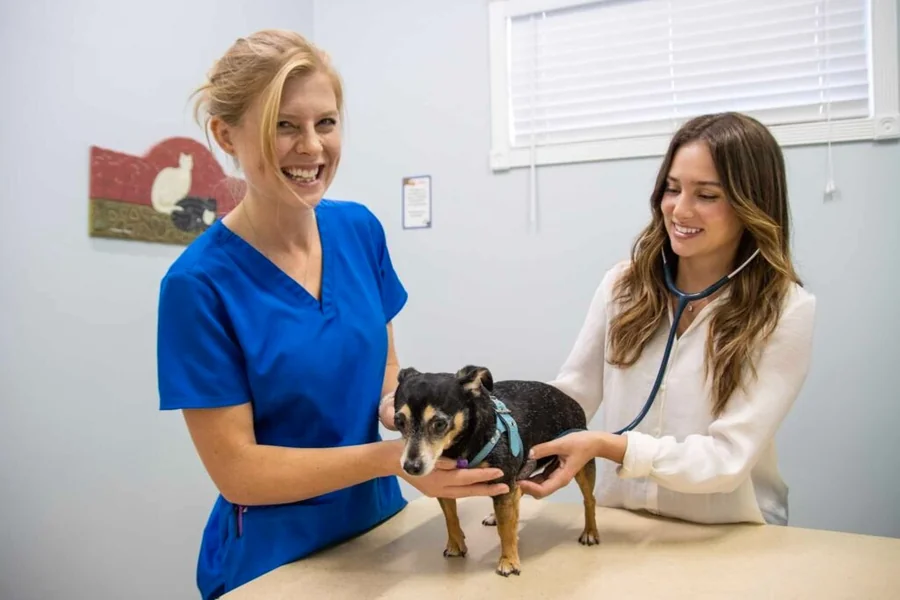
Your pet cannot speak for itself. You rely on records to tell the story of every vaccine, illness, and surgery. An animal hospital keeps that story clear and ready when you need it most. When you visit an animal hospital in Douglasville, GA, staff track each visit, test, and treatment in one place. This record helps your vet spot small changes before they grow into crises. It also guides safe care during emergencies, travel, and boarding. Without steady records, you risk missed vaccines, drug mix ups, and delayed treatment. With them, you gain a clear plan, fewer surprises, and faster help when your pet is in pain. This blog explains why animal hospitals are the strongest choice for building and guarding those records, and how that choice can protect your pet’s health at every stage of life.
Why a Central Record Matters for Your Pet
You may see your pet as healthy. Yet health can change fast. A central record gives your vet a full picture of your pet’s body over time. It shows patterns you might miss.
When all care happens at one animal hospital, your pet’s chart includes:
- Vaccines and due dates
- Medication names, doses, and start dates
- Blood work, x rays, and other tests
- Allergies and past reactions
- Weight, heart rate, and behavior notes
Each detail seems small by itself. Together they show risk, progress, and warning signs. This full story lets your vet act early and keep your pet safe.
How Animal Hospitals Keep Records Accurate
Animal hospitals use systems that protect your pet’s health story. These systems follow strict steps.
Staff at an animal hospital usually:
- Confirm your pet’s name and date of birth at each visit
- Update weight, symptoms, and behavior at check in
- Record every vaccine with lot number and site
- Log each lab test with date and result
- Review allergies before any new medicine
The American Veterinary Medical Association explains that complete records support safe care and legal protection for you and your pet. You can read more about record standards on the AVMA veterinary medical records page.
Home Notes vs Animal Hospital Records
You might save paper receipts or keep notes on your phone. That helps, but it does not replace a full medical chart. Here is a simple comparison.
| Feature | Home Notes Only | Animal Hospital Records
|
|---|---|---|
| Vaccine dates and types | Often missing exact product or lot | Documented with brand, lot, and site |
| Medication history | May list name, not dose or length | Tracks dose, schedule, and response |
| Lab and x ray results | Rarely stored or easy to read | Kept with notes and comparison over time |
| Emergency use | Hard to share fast | Staff can send or print at once |
| Travel and boarding forms | Owner must guess dates | Hospital provides signed records |
This table shows a simple truth. Your notes support care. The animal hospital record directs care.
Preventing Disease Through Clear Vaccine Records
Vaccines protect your pet from rabies, parvo, distemper, and other harsh diseases. They only work when given on time. Missed or late doses leave gaps in protection.
An animal hospital tracks:
- Core vaccines that every dog or cat needs
- Non core vaccines based on lifestyle and risk
- Booster dates set by age and prior shots
- Reactions that guide future choices
The Centers for Disease Control and Prevention warns that rabies in pets risks human life. You can see guidance on rabies and pets on the CDC rabies and pets page. An updated vaccine record from your animal hospital is your proof that you protect your family and your community.
Managing Chronic Conditions Over Time
Some pets live with long term problems such as diabetes, kidney disease, or arthritis. These conditions need steady tracking. A single missed detail can cause a sharp decline.
With strong records, your vet can:
- Watch lab values over months and years
- Adjust food and medicine based on clear trends
- Check weight and body score for slow changes
- See which treatments helped and which failed
Without this history your pet risks repeat tests, wrong doses, or delayed changes. That means more pain and higher cost for you.
Why Records Matter in Emergencies
In a crisis you may feel fear and confusion. You may forget drug names, doses, or past problems. Your pet still needs fast and safe care.
When your pet’s record is stored at an animal hospital, staff can quickly:
- Check allergies before giving any drug
- See heart or kidney problems that affect anesthesia
- Review past x rays or lab tests to avoid repeats
- Share records with a referral or emergency clinic
This fast access can prevent drug reactions and guide life saving choices. It can also cut the time your pet spends in pain.
Supporting Travel, Boarding, and Adoption
Many shelters and boarding centers ask for proof of vaccines and parasite control. Airlines and state rules may also require health certificates.
Your animal hospital can provide:
- Signed vaccine records for rabies and other shots
- Lab proof of tests like heartworm or fecal checks
- Official health certificates for travel
- Clear history for adoption or transfer of ownership
With complete records you avoid last minute panic, denied boarding, or canceled trips. You also protect other pets your animal may meet.
Your Role in Keeping Records Strong
You share the duty of keeping records steady and clear. You can support your animal hospital when you:
- Use the same name and birth date for your pet each time
- Bring all medicine bottles and supplements to visits
- Tell staff about care from any other clinic or shelter
- Ask for copies of key reports for your own folder
You can also schedule routine checkups. Each visit adds data to the story. Each entry helps your vet guide your pet through a longer and more comfortable life.
Conclusion
Your pet depends on you for every choice. Choosing an animal hospital that keeps strong wellness records is one of the most protective steps you can take. Accurate records support vaccines, chronic care, emergencies, travel, and daily comfort. They cut guesswork. They reduce risk. They give your vet the clear story needed to guard your pet’s health through every stage of life.
