

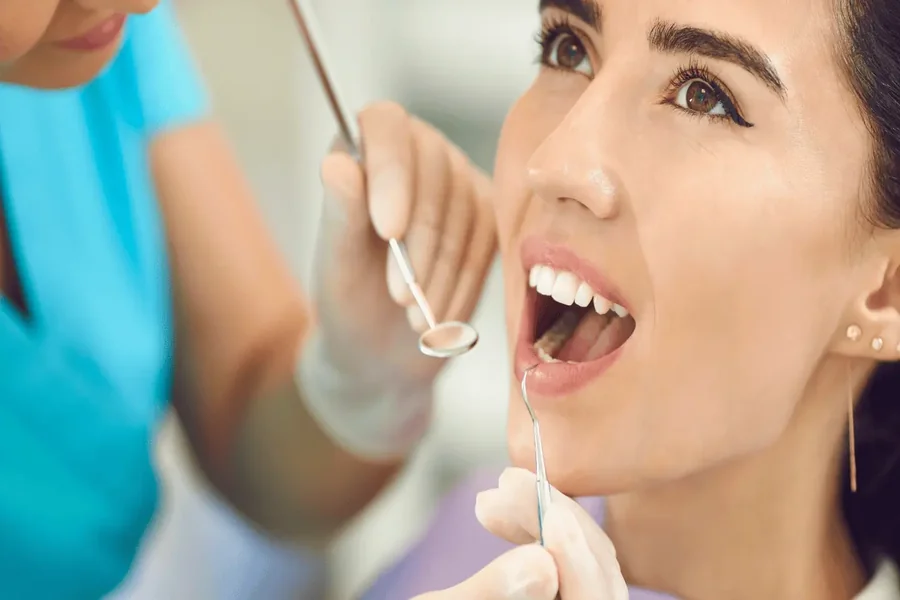
You might focus on how your smile looks and want cosmetic work right away. First, you need a strong, healthy base. Preventive dental exams find decay, infection, gum disease, and bite problems that hide under the surface. These problems can ruin whitening, veneers, or crowns. They can also cause pain and extra cost later. Regular exams protect you from surprise tooth loss, nerve damage, or failed cosmetic work. They also give your dentist a clear map of what your mouth can handle. At Blackfoot family dentistry, dentists start with careful exams, X rays, and gum checks before any cosmetic plan. That way your care is safe, steady, and built to last. You deserve a smile that looks good and feels strong. Preventive exams are the first step.
Why a healthy mouth must come first
Cosmetic care changes how your teeth look. Preventive exams protect how your teeth work. You need both. When you fix looks on top of hidden disease, you build on sand. Problems spread. Work fails. You suffer.
During a preventive exam, the dentist checks three main things.
- Teeth for decay, cracks, and old fillings that leak
- Gums for swelling, bleeding, and infection
- Bite for grinding, clenching, and jaw strain
Each one affects cosmetic work. A small untreated cavity can grow under a veneer. Inflamed gums can pull back around a new crown. A tight bite can chip bonding in weeks.
What happens during a preventive dental exam
You should know what to expect. That lowers fear and helps you plan. Most exams include three simple steps.
- Medical and dental history. You share medicines, health issues, and past dental work. This guides safe choices.
- Clinical exam. The dentist checks teeth, gums, tongue, cheeks, and jaw. You hear what looks stable and what needs care.
- X rays when needed. These show decay between teeth, bone loss, and infection at roots.
You also get a cleaning in many visits. That removes plaque and tartar that brushing and flossing miss. Clean teeth respond better to whitening and bonding. Gums that do not bleed are easier to shape around veneers and crowns.
The National Institute of Dental and Craniofacial Research explains how exams and cleanings help stop decay and gum disease early. You can read more at NIDCR tooth decay information.
How preventive exams save your cosmetic results
Cosmetic work can be strong when you respect three simple rules.
- Fix disease first
- Calm inflammation
- Balance your bite
When you follow these rules, cosmetic work lasts longer and feels more natural.
Decay control. If decay stays under a filling or crown, bacteria keep eating the tooth. The new work can loosen or fall off. You may need root canal treatment or even removal later.
Gum health. Red, swollen gums bleed and pull back. That exposes the edges of veneers or crowns. Stains collect. Sensitivity grows. Your smile looks uneven.
Bite balance. Grinding or clenching puts strong force on a few teeth. This can crack porcelain or chip bonding. A preventive exam can spot wear marks and suggest a night guard.
Comparison: preventive exam first vs cosmetic first
This table shows common outcomes when you rush into cosmetic work without a full exam compared with taking time for preventive care first.
| Plan | Short term results | Risk within 1 to 3 years | Typical cost over time
|
|---|---|---|---|
| Cosmetic work without preventive exam | Fast change in tooth color or shape | Higher chance of:
| Higher. You may pay again to repair or replace failed work. |
| Preventive exam and treatment before cosmetic work | Slower start. Disease and gum issues treated first. | Lower chance of:
| Lower over time. Cosmetic work lasts longer and needs fewer fixes. |
How often you need exams before and after cosmetic work
The American Dental Association suggests that many people need a checkup about every six months. Some need more visits if they have gum disease or many past procedures. You can review their guidance at MouthHealthy dental visits.
When you plan cosmetic work, you should think in three stages.
- Before. You may need one or more exams to treat decay, clean gums, and adjust your bite.
- During. The dentist may check your bite at each step. For example, after placing temporary crowns.
- After. Follow up visits confirm that your new smile works well and stays clean.
You protect your investment when you keep these visits. Cosmetic work is not a one time event. It is part of your long term health plan.
Family planning for exams and cosmetic goals
Every family has different needs. Some want whiter teeth for photos. Others need to fix front teeth after sports injuries. Preventive exams help you plan in three ways.
- For children and teens. Exams spot crowding, early decay, and habits like thumb sucking or grinding. These can shape later cosmetic choices.
- For adults. Exams track wear, staining, and gum health. You can time whitening or bonding around life events.
- For older adults. Exams check dry mouth from medicines, old bridges, and bone loss. This guides safe cosmetic options.
When each person in your home keeps up with exams, you avoid sudden crises that delay cosmetic plans. You stay in control.
How to talk with your dentist about cosmetic goals
Honest talk leads to better care. During your preventive exam, share three things.
- What you dislike about your smile
- What you hope to change first
- How much time and money you can spend
Then ask three clear questions.
- What problems must we fix before any cosmetic work
- What options protect my teeth the most
- How long should my results last if I keep up with care
A good dentist will not rush you. The plan should protect your health, respect your limits, and reach your goals step by step.
Steps you can take today
You can start now.
- Schedule a preventive exam before any cosmetic consult.
- Bring a list of medicines and your dental history.
- Write down your cosmetic goals.
- Ask for photos and simple drawings that show your options.
- Commit to regular cleanings and home care to protect any future work.
You deserve a smile that looks good and stays strong. Preventive dental exams guard your health, your comfort, and your wallet. When you choose to start with a careful exam, you choose a safer path for you and your family.
