

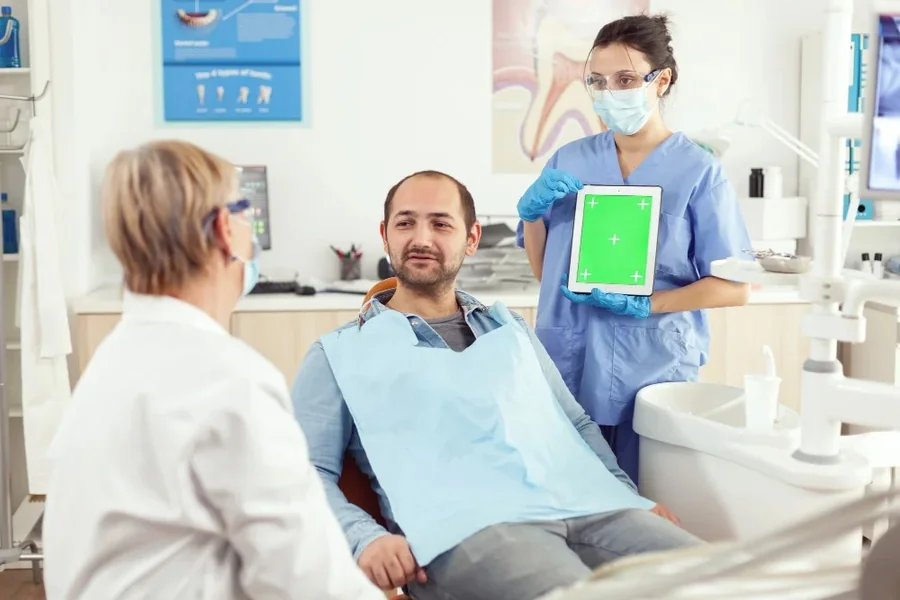
You trust your general dentist to catch problems early. Still, some health threats hide. They grow quiet and slow. A routine visit can uncover warning signs that call for extra screenings. These screenings protect more than your teeth. They can point to issues with your gums, bones, or even your whole body. Your dentist watches for small changes in your mouth, your bite, and your medical history. These changes can show risk for cancer, infection, or serious decay. When that happens, you deserve clear answers, not confusion. A Georgetown TX dentist may suggest X rays, oral cancer checks, gum measurements, or a closer look at your jaw. Each step has a reason. This blog explains four clear signs that your dentist may recommend more tests, so you know what to expect and how to respond with calm and strength.
Sign 1: Ongoing Mouth Pain, Sores, or Bleeding
Short pain from a cold drink or a hard bite can pass fast. Ongoing pain or sores is different. That calls for more attention.
You should tell your dentist if you notice any of the following for more than two weeks.
- Sores that do not heal
- Bleeding when you brush or floss
- Pain in one spot when you chew
- A lump or rough patch on your tongue, cheek, or gums
These signs can point to deep decay, gum disease, or even oral cancer. Your dentist may suggest:
- Extra X rays to see roots and bone
- An oral cancer screening light test
- A swab or small tissue sample sent to a lab
The goal is simple. Know what is going on. Then choose the right treatment early. The National Cancer Institute explains that early detection of oral cancers raises survival odds and reduces treatment burden.
Sign 2: Swollen, Tender, or Receding Gums
Your gums should feel firm and comfortable. They should not bleed when you brush with gentle pressure.
Tell your dentist if you notice:
- Gums that look red or puffy
- Bleeding on the toothbrush or in the sink
- Gums pulling away from teeth
- Teeth that look longer than they used to
These signs can show gum disease. Gum disease can lead to tooth loss and may link with heart and blood sugar problems. Your dentist may recommend:
- Gum measurements at several points around each tooth
- Special X rays to check bone height
- A referral to a gum specialist if bone loss is strong
The Centers for Disease Control and Prevention notes that almost half of adults over 30 have some form of gum disease.
Sign 3: Changes in Your Bite, Jaw, or Teeth Position
Your bite should feel even and steady. Your teeth should meet in a pattern that feels normal to you. When that changes, your dentist pays close attention.
Watch for these signs.
- Sudden change in how your teeth touch
- Jaw pain when you wake up
- Clicking or popping in your jaw joints
- Teeth that feel loose or shifting
These changes can point to bone loss, teeth grinding, jaw joint problems, or even cysts and growths in the jaw. Your dentist may order:
- Panoramic X rays to view the full jaw
- 3D imaging if a growth or fracture is suspected
- A bite or sleep study through a specialist
Extra screenings here help protect your ability to speak, chew, and sleep.
Sign 4: Medical History or Lifestyle Risks
Your mouth health is tied to your full body. Your dentist looks at more than teeth. Your medical history and daily habits can raise your risk for serious problems.
You may need extra screenings if you:
- Use tobacco in any form
- Drink alcohol most days of the week
- Have diabetes or heart disease
- Take medicines that dry your mouth
- Have a weak immune system
- Have a family history of oral cancer or bone loss
In these cases, your dentist may suggest oral cancer checks at every visit, more frequent X rays, or closer gum tracking. The goal is to see changes before they become painful or costly.
Common Screenings Your Dentist May Use
You may feel nervous when your dentist mentions extra tests. Knowing what to expect can ease that fear. Here is a simple comparison of common screenings and why they are used.
| Screening Type | What It Checks | When It Is Often Used | What You Can Expect
|
|---|---|---|---|
| Bitewing X rays | Tooth decay between teeth and bone level | Routine checkups or new pain between teeth | You bite on a small tab. The image takes a few seconds. |
| Panoramic X ray | Full jaw, sinuses, and joint structure | Jaw pain, wisdom teeth checks, or growth concerns | You stand or sit. The machine moves around your head. |
| Oral cancer exam | Lips, tongue, cheeks, roof and floor of the mouth | At routine visits, higher risk history, or ongoing sores | The dentist looks and feels for lumps, color changes, or sores. |
| Gum probing | Pocket depth between teeth and gums | Bleeding gums, loose teeth, or family history of gum disease | The dentist uses a thin probe and calls out numbers for each tooth. |
| 3D imaging | Detailed view of bone, roots, and nerve paths | Implant planning, complex root issues, or jaw concerns | You sit still for a short scan. It does not touch you. |
How You Can Prepare and Protect Yourself
You play a strong role in these decisions. You can prepare for each visit and stay in control.
- Write down any mouth pain, sores, or changes before your visit.
- Bring a full list of your medicines and health conditions.
- Ask why a screening is needed and what it might show.
- Ask about radiation levels for X rays and how often they are done.
- Share any fear or cost concerns so the team can explain options.
These steps help you and your dentist work as partners. You gain clear facts, not guesses.
When to Call Your Dentist Between Checkups
You do not need to wait for your next cleaning if something feels wrong. Call your dentist soon if you notice:
- Pain that wakes you up at night
- A sore that does not heal after two weeks
- Sudden swelling in your face or jaw
- Difficulty swallowing or moving your tongue
- New loose teeth or a sudden change in your bite
Fast action can prevent deeper harm. It can also reduce the need for stronger treatments later.
Moving Forward With Clear Information
Extra screenings are not meant to scare you. They are meant to protect you. When your dentist suggests more tests, it is because something deserves a closer look. You deserve to know why, what the test does, and what happens next.
When you speak up, ask questions, and share your health story, you give your dentist the tools to guard your mouth and your body. That is how you turn quiet warning signs into clear answers and strong choices for your health.
