

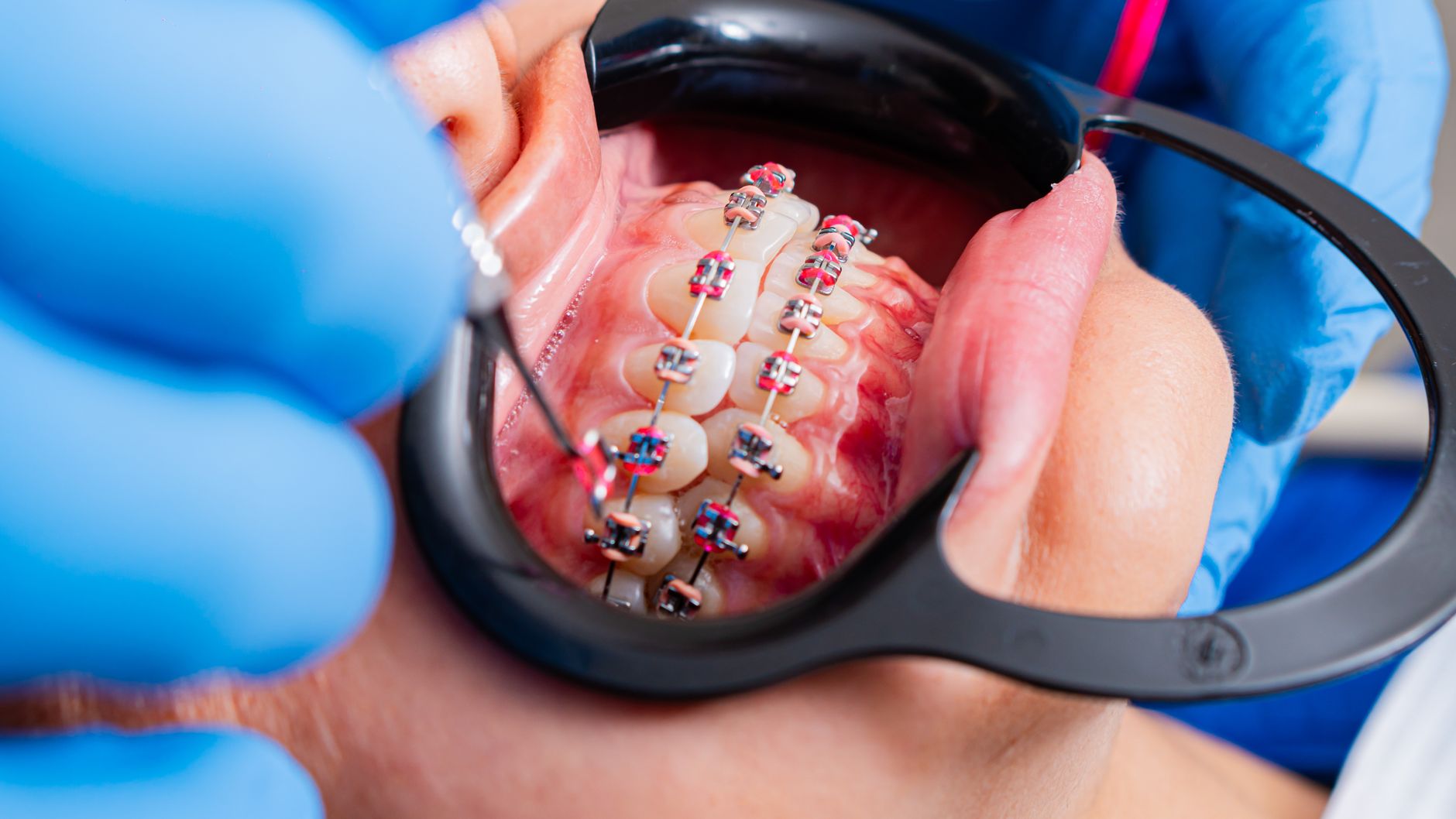
You may have been told that braces are only for teenagers, that clear aligners in Chicago are always the easier option, or that straightening your teeth is mostly about looks. That kind of advice sticks, especially when it comes from family, friends, or a quick scroll online. If you are trying to make a smart choice about orthodontic care, all that mixed information can leave you feeling stuck.
The truth is simpler than the noise around it. Braces and aligners both move teeth. Both can work well. Both also have limits, and the right choice depends on your bite, your habits, and the kind of correction you need. A qualified orthodontist looks at the full picture, not just the front teeth you see in the mirror.
Many people delay treatment because of myths that sound harmless but can lead to bigger problems later, including uneven wear, jaw strain, and more costly care. According to the ADA’s guide to braces and orthodontics, straightening teeth can improve more than appearance by helping with bite function and cleaning access.
Braces and aligners are often misunderstood
Myth 1: Braces are only for kids and teens. Adults start treatment every day. Some never had orthodontic care when they were younger. Others had braces years ago and saw their teeth shift back. Life happens. Retainers get lost. Wisdom teeth get blamed for movement they did not cause. You are not behind if you are looking into treatment now.
Myth 2: Aligners work for everyone. Clear aligners can be a great option, but they are not automatically the best one. Some tooth movements are harder to control with removable trays, especially when bite correction is more complex. If you have crowding, spacing, rotated teeth, or jaw alignment issues, the plan needs to fit the biology, not the trend.
Myth 3: Braces take much longer than aligners. Treatment time depends on the case, not just the appliance. A person who wears aligners 22 hours a day may finish on schedule. Someone who forgets them for meals, coffee, social events, and sleep may fall behind fast. Braces stay on your teeth, so they remove some of the human error that slows progress.
Myth 4: Orthodontic treatment is cosmetic. Straighter teeth can absolutely improve your smile, but function matters just as much. A poor bite can make chewing less efficient and cleaning more difficult. Teeth that overlap can trap plaque in places your toothbrush misses. That is one reason clear aligners vs braces myths can be so misleading. The real goal is not just a nicer photo. It is a healthier, more stable bite.
Myth 5: Mail order or DIY aligners are basically the same as professional care. This one causes real harm. Teeth do not move safely just because a tray fits over them. Movement affects roots, bone, gum tissue, and the way your upper and lower teeth meet. A recent review indexed on PubMed points to ongoing concerns around unsupervised orthodontic treatment, including missed diagnosis and avoidable complications.
Choosing between braces and aligners depends on your daily life
If you already feel pulled in two directions, that makes sense. Aligners are less visible, but they demand consistency. Braces are more noticeable, but they do the work around the clock. One option asks for discipline. The other asks for patience.
Picture two common situations. One person has a packed schedule, snacks often, and knows they lose track of routines when life gets busy. Aligners may sound appealing, yet removing them all day can become a problem. Another person speaks in public for work and feels deeply self conscious about brackets. That person may do better with aligners because the appearance issue affects confidence enough to shape compliance in the other direction.
This is why braces and aligners facts matter more than assumptions. The best treatment is the one that fits both your clinical needs and the way you actually live.
Practical differences between braces and aligners
|
Factor |
Braces |
Aligners |
|
Visibility |
More visible on the teeth |
Less noticeable in most settings |
|
Wear time |
Fixed in place full time |
Usually needs 20 to 22 hours a day |
|
Best for habits |
Helpful if you struggle with consistency |
Helpful if you can follow routines closely |
|
Food limits |
Some foods should be avoided |
Trays removed for eating, but must be put back in |
|
Complex cases |
Often strong control for complex movement |
May work well for mild to moderate cases, depending on plan |
|
Office monitoring |
Regular supervised adjustments |
Regular supervised checks still matter |
Neither option is automatically easier. A teenager who hates food restrictions may prefer aligners, then forgets to wear them. An adult who wanted something discreet may love aligners and do great. A patient with bite issues may need braces because precision matters more than appearance. That is where orthodontic treatment myths start to fall apart. Real treatment is personal.
Three steps that help you make a better decision
Get a full exam, not a quick quote. A real orthodontic evaluation looks at bite alignment, tooth position, gum health, and jaw function. Price alone should not decide treatment.
Be honest about your habits. If you know you misplace things, snack often, or struggle with routines, say so. That is not failure. It is useful information that helps match you with the right system.
Ask what success depends on. Ask how long treatment may take, what can delay progress, how retainers fit into the plan, and what risks apply to your case. Clear answers now prevent frustration later.
Better decisions start with better information
You do not need to sort through myths on your own or guess which option sounds more modern. You need accurate guidance, a treatment plan built for your bite, and a provider who explains the tradeoffs clearly. Braces and aligners both have a place in orthodontics. The right choice is the one that moves your teeth safely and fits your life well enough that you can stick with it.
If you are considering treatment, schedule a consultation with an orthodontist and get answers based on your teeth, not someone else’s story.
