

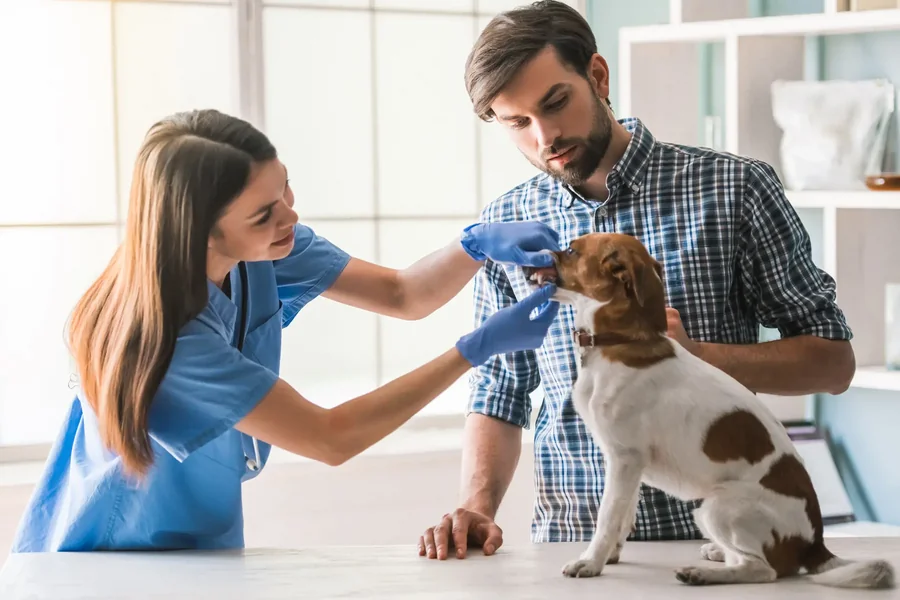
Pets can’t tell you when they feel unwell, but you can pick up on their signals. By noticing certain signs, you can get them the care they need quickly. Here are three important signs to watch for. First, if your pet is not eating or drinking as usual, it could signal an issue that needs attention. Second, any noticeable change in behavior, like increased aggression or withdrawal, could be a red flag. Third, keep an eye on any unusual physical changes such as lumps or skin changes. Acting quickly on these signs can prevent further health issues. If you notice any of these signs, consider contacting Murrieta animal hospital. They can help diagnose and treat your pet, ensuring they get back to their happy, healthy self in no time. Remember, you play a crucial role in your pet’s health by staying alert and responsive to their needs.
Change in Eating or Drinking Habits
One of the clearest signs that something might be wrong is a change in eating or drinking habits. Pets might refuse food, drink excessively, or stop drinking altogether. Such changes can point to underlying issues like dental problems, digestive disorders, or even more serious conditions like kidney disease. It’s wise to track these changes. If your pet skips meals or shows a sudden increase in thirst, it’s time to reach out to a vet. Consistent habits are crucial for your pet’s well-being. You can learn more about the importance of regular veterinary checks from the American Veterinary Medical Association.
Behavioral Changes
Behavior is another key indicator of your pet’s health. Increased aggression, unusual timidness, or withdrawal from family interaction may suggest pain, stress, or illness. Pets often change behavior in response to discomfort. For example, a usually social cat may start hiding, or a friendly dog may become snappy. It’s essential to monitor these behaviors closely. Such changes can be temporary but persistent issues should not be overlooked. The quicker you act, the sooner your pet can return to their happy self. For more details on why behavior changes occur, refer to the FDA’s Animal Health Literacy page.
Physical Changes
Unusual physical changes, including lumps, bumps, or skin alterations, shouldn’t be ignored. While some might be harmless, others can indicate serious health problems. Regularly check your pet for any noticeable changes. Early detection is key. If you find something unusual, don’t wait. Scheduling an exam can make a significant difference. Consider this simple comparison table that outlines signs to watch:
| Sign | Potential Concern |
|---|---|
| Loss of Appetite | Digestive Issues, Dental Problems |
| Increased Thirst | Kidney Disease, Diabetes |
| Aggression | Pain, Stress |
| Hiding | Illness, Fear |
| Lumps or Bumps | Tumors, Infections |
The Importance of Prompt Action
Quick action can often prevent a small issue from becoming a bigger problem. By scheduling a veterinary appointment at the first sign of trouble, you can help your pet enjoy a healthier, longer life. Veterinarians can provide insights and solutions that keep small concerns from escalating. They have the expertise to diagnose and treat various conditions effectively. Also, regular check-ups contribute to preventative care, which is vital in maintaining your pet’s overall health.
Building a Strong Partnership with Your Vet
A strong connection with your veterinarian is essential. They guide you in keeping your pet healthy and safe. Open communication ensures you understand your pet’s needs. This partnership is built on trust and proactive care. Listen to the advice and follow through on recommendations. It strengthens the bond you share with your pet. In turn, your pet benefits from the collective effort of a caring team.
In conclusion, paying attention to changes in your pet’s behavior, eating habits, and physical appearance allows you to intervene before problems worsen. Murrieta animal hospital stands ready to support your efforts in maintaining your pet’s health. They and other veterinary professionals provide the care necessary for your pet’s well-being, ensuring your furry friend remains a beloved family member for years to come.
