

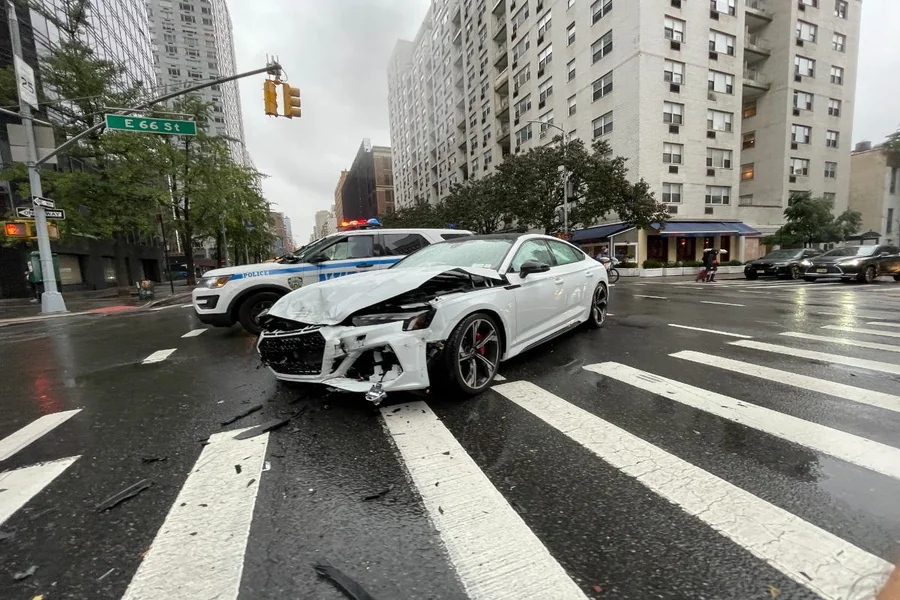
Queens streets carry a quiet risk that can change your life in one instant. Busy crossings, speeding cars, and distracted drivers turn some intersections into daily hazards. You cross them on the way to work, to school, or home. You may not know which corners see the most crashes or why they keep happening. You deserve clear facts and simple steps that protect you and your family. This blog points to Queens’ most dangerous intersections and explains how to move through them with more control. It also shares what to do if a driver hits you or someone you love. Many injured people feel alone and confused after a crash. Poltielov Law Firm has seen how one impact can cause pain, lost wages, and fear. With the right knowledge, you can lower your risk and face these streets with more strength.
Why Certain Queens Intersections Turn Deadly
Some Queens crossings see crash after crash. You may notice the patterns.
- Wide roads that invite speeding
- Complex turns that confuse drivers and walkers
- Heavy truck and bus traffic near schools and homes
The New York City Department of Transportation tracks these crash clusters through its traffic safety reports. These reports show that crashes rise where speed, distraction, and crowding meet. You cannot control other drivers. You can control how you move through these spots.
Examples Of High Risk Intersections In Queens
Crash counts change each year. Still, some Queens intersections stay dangerous. They often sit on or near major routes like Queens Boulevard, Northern Boulevard, and the Long Island Expressway service roads.
The table below shows sample intersections that often appear in city crash data and news reports as high risk. This is not a full list. It is a guide that helps you see common patterns.
| Intersection | Nearby Features | Common Risk Factors
|
|---|---|---|
| Queens Blvd & Woodhaven Blvd | Transit hub, shopping, heavy foot traffic | High speeds, wide crossing, complex turns |
| Northern Blvd & 61st St | Subway station, bus stops, stores | Turning vehicles, crowded sidewalks, double parking |
| Atlantic Ave & Woodhaven Blvd | Multiple lanes, truck route | Speeding, red light running, long crossing distance |
| Jamaica Ave & 168th St | Commercial center, schools | Congestion, sudden stops, jaywalking |
| Grand Ave & 69th St | Bus routes, mixed use blocks | Blind spots from large vehicles, mid block crossings |
You may pass other crossings that feel just as tense. Trust that feeling. Your body often senses danger before your mind names it.
How To Cross Dangerous Intersections On Foot
Walking should feel simple. In Queens it often feels stressful. You can still lower your risk.
Use this three step approach every time you cross.
1. Plan Your Path
- Choose corners with a traffic light and crosswalk markings
- Avoid mid block crossings even when crowds do it
- Pick routes with fewer wide crossings when you can
2. Take Control Of The Crosswalk
- Start crossing only on a fresh walk signal
- Make eye contact with turning drivers before you step out
- Keep children on the side away from moving traffic
Next time you cross, put your phone away and pull out your focus instead. Your full attention is your strongest shield.
3. Protect Children And Older Adults
- Hold young children by the wrist, not by clothing
- Give older adults extra time and support at the curb
- Walk as a unit, not stretched across the street
The Federal Highway Administration notes that lower speeds and clear crossings cut death risk for walkers. You can read more in its pedestrian safety guidance. You deserve that level of care on every block.
Staying Safe While Driving Through Risky Queens Crossings
As a driver you hold heavy power. Your choices at one corner can spare or shatter a life. For more informative articles and valuable insights, visit gramernest.com.
Use three core habits at every dangerous intersection.
1. Slow Far Before The Corner
- Ease off the gas at least a block before known crash spots
- Treat a yellow light as a signal to stop, not to race through
- Watch for sudden lane changes from impatient drivers
2. Turn With Full Awareness
- Yield to people in the crosswalk every time
- Check mirrors and blind spots for bikes before turning
- Pause a full second after the light turns green before moving
3. Clear Your Mind And Hands
- Put the phone out of reach while moving
- Skip eating, grooming, or reaching for items while driving
- Pull over if you feel angry or tired
Each small choice cuts risk. Each small choice also shows respect for every family that shares the street with you.
What To Do If A Crash Happens At A Queens Intersection
Even careful people get hit. Shock and fear can cloud your judgment in those first minutes. A clear plan helps.
Right after a crash you should:
- Move to a safe spot if you can
- Call 911 and ask for both police and medical help
- Accept medical care even if you feel fine
- Take photos of the scene, vehicles, and visible injuries
- Get contact and insurance information from all drivers
- Collect names and numbers of witnesses
Later you should:
- Follow up with your doctor for any hidden injuries
- Save all records, bills, and time off notes
- Write down what you remember while it is still fresh
Pain, fear, and confusion after a crash are common and human. You do not need to face the process alone.
Protecting Your Family On Queens Streets
Queens will always move fast. You cannot slow every car. You can build strong habits that protect your family on the street.
- Teach children to stop at every curb and look three ways
- Set a family rule that phones stay away while crossing
- Review your regular routes and choose calmer streets when you can
Every safe crossing is a quiet win. Every careful turn is a promise that you value the lives around you. With steady awareness and clear steps, you can move through Queens’ most dangerous intersections with more control and less fear.
