

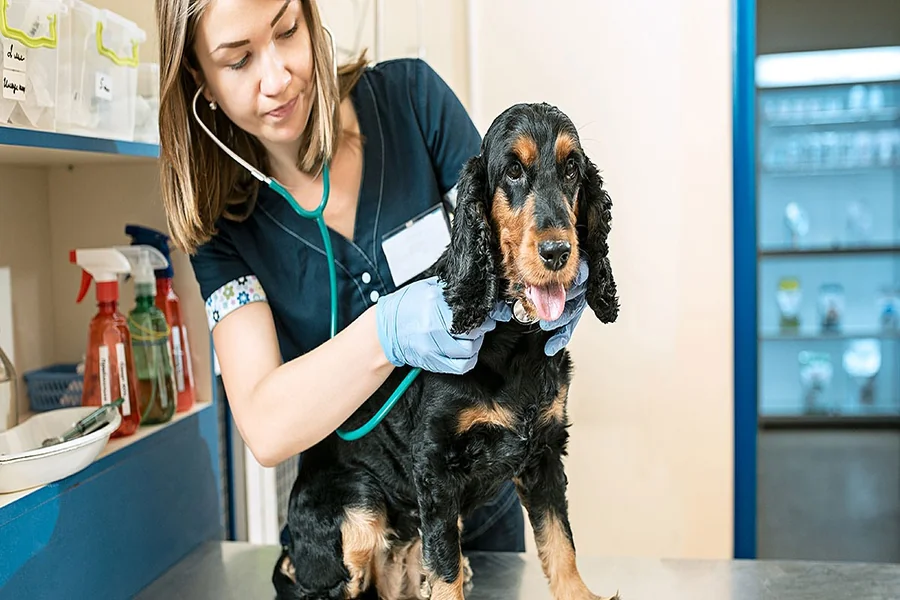
When your pet is hurt or suddenly very sick, you do not have time to guess what to do next. Veterinary urgent care fills that gap. It gives you fast help when your regular clinic is closed or fully booked. You get clear answers, quick treatment, and less fear. This matters when you face trouble like breathing problems, cuts, vomiting, or sudden pain. You should not wait and hope. You should not rush to an emergency hospital for every concern either. Urgent care gives you another path. It protects your pet and protects your budget. It also protects your own peace of mind. This blog explains four key benefits of veterinary urgent care so you know when to use it and what to expect. If you live nearby, Louisville pet urgent care can offer the same kind of focused support during your pet’s worst moments.
1. Faster care when every minute feels long
When your pet is in trouble, time feels heavy. You watch every breath. You count every minute until help comes. Urgent care centers cut that wait. Many work with walk in visits and extended hours. Some stay open late into the night.
Instead of waiting days for a regular appointment, you can bring your pet in the same day. Staff can check your pet, run basic tests, and start treatment. You leave with a plan instead of fear.
Common reasons to use urgent care include:
- Vomiting or diarrhea that will not stop
- Mild to moderate cuts or wounds
- Ear infections or eye redness
- Limping or sudden lameness
- Allergic reactions without severe breathing trouble
This quick access helps you act before problems grow. It also lowers the chance that a small issue turns into a medical crisis. You gain time. Your pet gains relief.
2. Clear choice between urgent care and emergency care
One hard part of pet care is knowing when something is an emergency. Many owners feel torn between calling their regular vet, going to urgent care, or rushing to a 24 hour emergency hospital.
You can use simple signs to guide your choice. This table shows common situations and the best first step.
| Situation | Urgent Care | Emergency Hospital
|
|---|---|---|
| Repeated vomiting but still drinking and alert | Yes | No |
| Small cut that keeps bleeding | Yes | No |
| Hit by a car or big fall | No | Yes |
| Struggling to breathe | No | Yes |
| New limp but still walking | Yes | No |
| Not waking up or unresponsive | No | Yes |
You should always treat true emergencies as urgent. The American Veterinary Medical Association gives clear warning signs like trouble breathing, seizures, and collapse.
Urgent care helps with the middle ground. It fills the gap between routine care and life threatening emergencies. Staff can also tell you if your pet needs a higher level of care and can send you there fast.
3. Lower costs and less financial shock
Money should not stand between your pet and care. Yet surprise costs can hit hard. Emergency hospitals often use advanced tools and staff on call through the night. That work is important. It can also be costly.
Urgent care centers often charge less than full emergency hospitals for non life threatening problems. They focus on quick exams, basic tests, wound care, and short treatments. That focus keeps costs under more control.
Here is a simple example to show possible cost differences. These numbers are rough ranges and can change by city and clinic.
| Service | Typical Regular Clinic | Typical Urgent Care | Typical Emergency Hospital
|
|---|---|---|---|
| Exam for vomiting | $60 to $90 | $90 to $150 | $150 to $250 |
| Suturing a small cut | $150 to $250 | $200 to $350 | $300 to $600 |
| Basic X rays | $100 to $200 | $150 to $250 | $250 to $400 |
These ranges are not promises. They show how urgent care often sits between routine care and full emergency care in cost. You can ask the clinic for an estimate before treatment. You can also ask if they offer payment plans or accept pet insurance.
The U.S. Food and Drug Administration reminds owners to talk with vets about cost and treatment plans.
4. Better support for your family and your pet
Urgent care does more than treat symptoms. It supports your whole family during tense moments. You get three key forms of support.
- Clear answers. You sit with staff who explain what they see and what they suggest. You can ask questions without feeling rushed.
- Short term relief. Your pet can get pain control, fluids, or wound care that makes them safer and more at ease until they see their regular vet again.
- Safe follow up plan. You leave with written steps. You know what to watch for and when to seek more help.
This support also protects your bond with your pet. You do not feel alone with worry at home. You do not feel forced into the highest cost option when the issue may not be life threatening.
Many urgent care clinics send notes and test results to your regular vet. That teamwork keeps care steady. Your pet gets ongoing help instead of a series of disconnected visits.
How to prepare before you ever need urgent care
Planning ahead removes panic. You can take three simple steps today.
- Save contact information for the nearest urgent care and 24 hour emergency hospital in your phone and on your fridge.
- Ask your regular vet which symptoms should go straight to emergency care.
- Keep a small pet go bag with a carrier, leash, muzzle if needed, medical records, and any current medicine.
You never know when trouble will strike. Yet you can choose how ready you feel when it does. Urgent care for pets gives you one more path to protect your animal and your own sense of control during harsh moments.
