

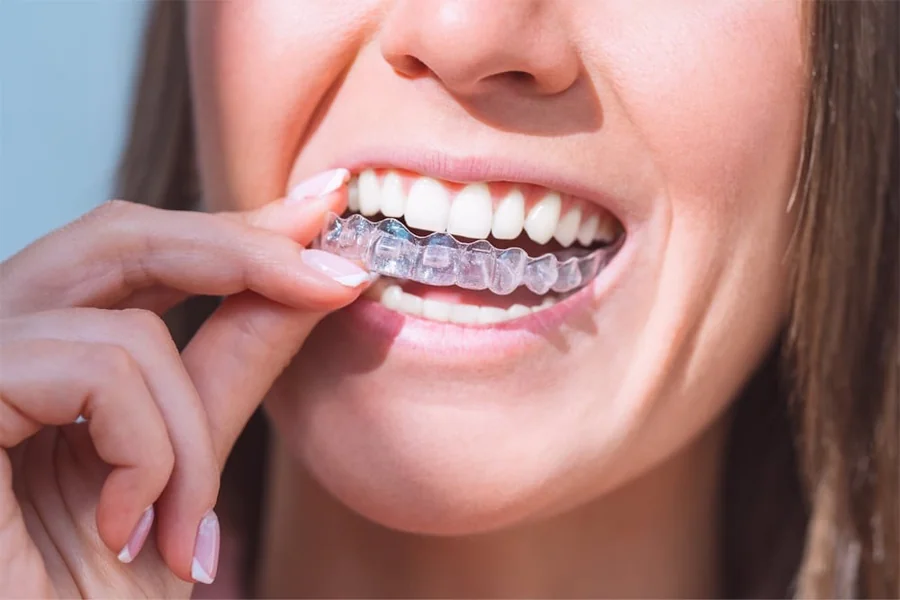
You want straighter teeth without metal braces. Invisalign can help, but you also want clear answers about time. How long does Invisalign treatment take Factors That Affect Results depends on your mouth, your habits, and your goals. You deserve to know what to expect before you commit. This guide walks through the main factors that speed treatment or slow it down. You will see how age, crowding, bite problems, and daily wear shape your timeline. You will also see why follow through matters more than any device. Many people near Westmont start by asking about average treatment times. Then they learn the real story is personal. You can review options, ask direct questions, and plan for each step. For more details on local care, you can visit https://dentistsofhinsdalelake.com/areas-we-serve/westmont/.
Typical Invisalign timelines
Most people wear Invisalign for 12 to 18 months. Some finish in about 6 months. Others need 24 months or more. The time depends on how far your teeth need to move and how steady you are with wear.
Aligners need to stay in your mouth 20 to 22 hours each day. You remove them only for eating, drinking anything besides water, and brushing. Each set often stays in place 1 to 2 weeks before you switch to the next set in the series.
The American Association of Orthodontists explains that clear aligners can work as well as braces for many cases when used as directed. You can read more about orthodontic treatment choices at aaoinfo.org.
Key factors that affect your treatment time
Three main factors shape how long Invisalign takes:
- The starting position of your teeth
- Your age
- Your daily habits
Other issues also matter. These include jaw alignment, past dental work, and how often you need refinements.
Comparison of typical Invisalign timelines
| Situation | Example issues | Approximate Invisalign time | Key factor
|
|---|---|---|---|
| Mild crowding or spacing | Small gaps, slight overlap of front teeth | 6 to 9 months | Teeth need small changes |
| Moderate crowding | Several teeth turned or overlapping | 12 to 18 months | Teeth need steady controlled shifts |
| Complex bite problems | Overbite, underbite, crossbite | 18 to 24 months or more | Jaw and bite need careful changes |
| Perfect wear habits | 22 hours a day, no missed days | Often on the shorter end | Aligners stay active |
| Inconsistent wear | Forgetting aligners, long breaks | Treatment extends many months | Teeth move back and slow down |
How your teeth and bite affect time
If your teeth are only slightly crooked, your plan may need fewer aligners. That shortens your treatment. If you have crowding, rotations, or big gaps, your plan needs more steps.
Bite problems take longer. When your top and bottom teeth do not meet well, your dentist or orthodontist must guide both rows at once. That takes many aligners and careful checks. The more complex the bite, the more time you should expect.
Age and Invisalign results
Teens and adults both get good results. Teeth move in response to gentle pressure at any age. Many adults worry that they are too old for aligners. That is not true. You can straighten teeth well even later in life.
Children and teens may see slightly faster movement because their jaws are still growing. Adults may need more months but can reach the same final result with steady wear and good care.
Your daily habits matter most
Aligners only work when they are in your mouth. Every hour you leave them out slows your progress. That can add weeks or months to your plan.
Three habits shape your time line:
- Wearing aligners at least 20 to 22 hours each day
- Switching to the next set on time as directed
- Keeping appointments for checks and any refinements
If you skip days or stretch each set longer than planned, your teeth stop moving as designed. Your dentist may need to repeat steps or order new trays. That extends treatment.
Checkups, refinements, and follow through
During Invisalign treatment you meet your dentist or orthodontist every 4 to 8 weeks. These visits let your provider track progress and adjust your plan. If some teeth move slower than planned, you might need a short refinement. That means new scans and extra aligners to fine tune the result.
Refinements are common and do not mean failure. They help match the final result to the plan. Still, each round can add a few months. When you follow instructions with care, you reduce the number of refinements you need.
The National Institute of Dental and Craniofacial Research stresses the value of regular dental visits and home care during orthodontic treatment. You can see their guidance on oral health at nidcr.nih.gov.
What happens after Invisalign ends
After treatment you wear retainers to keep your teeth in place. Retainer use does not move teeth much. It holds your hard work in place. At first you may wear retainers most of the day. Later you may shift to nights only.
If you stop using retainers your teeth can drift. That can undo months of effort. You protect your time and money by wearing retainers as directed.
How to set clear expectations
You can prepare for Invisalign with three simple steps.
- Ask your provider for a clear time range and what could change it
- Plan your daily routine so you can wear aligners enough hours
- Commit to every checkup and follow every instruction
You deserve honest numbers and straight talk. With clear goals and steady habits, you give yourself the best chance for a shorter and smoother Invisalign journey and a smile you can trust.
