

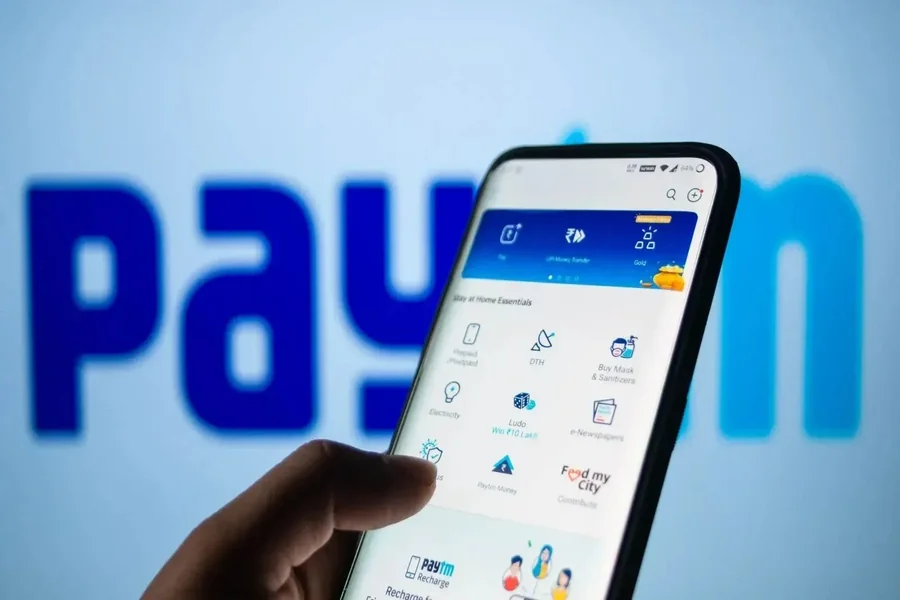
Domestic real-time rails make Indian deposits fast, inexpensive, and traceable when a platform supports Unified Payments Interface and leading wallets. This guide explains how UPI and Paytm work with major banks, what limits and fees typically apply, which documents matter for KYC, and how to navigate the cashier flow for safe and reliable funding. A special focus is placed on preventing failed payments, raising success rates across peak hours, and decoding common error messages. Practical steps cover UTR checks, daily caps, bank downtime windows, and name-matching rules that often decide whether a transfer clears instantly. For reference to supported games and current payment entry points, visit Jet Casino. The final FAQ summarizes security best practices so Indian players can transact confidently with mainstream apps while protecting PINs, VPAs, and account credentials.
UPI, Paytm basics and supported banks
Unified Payments Interface is an NPCI protocol built over IMPS that enables instant account-to-account transfers 24/7 using Virtual Payment Addresses such as name@bank, mobile-number@upi, or QR codes. A UPI push payment authorizes funds from a customer’s bank account directly to a merchant’s settlement account via payment service providers (PSPs). The authorization happens only inside a trusted UPI app (bank app, BHIM, or third-party apps) after entering a UPI PIN. The merchant or cashier page never collects the UPI PIN, and the final confirmation flows through the issuing bank’s interface. This model reduces chargeback disputes and offers clear traceability with a UTR (Unique Transaction Reference) that appears in both sender and beneficiary ledgers.
Paytm functions both as a UPI front end and as a wallet. For UPI, the app provisions a VPA mapped to a partner bank, enabling standard push and collect flows. For wallet usage, India’s PPI norms require at least minimum KYC to load and spend; full KYC lifts limits and improves continuity of service. Many gaming merchants prioritize UPI rails over wallet rails for higher straight-through rates and easier reconciliation. When Paytm is used for UPI, the experience mirrors any other UPI app: confirm the merchant name, amount, and VPA, then authorize with the UPI PIN within the app’s secure screen.
Coverage is nationwide. UPI is supported by State Bank of India, HDFC Bank, ICICI Bank, Axis Bank, Kotak Mahindra Bank, Canara Bank, Bank of Baroda, Punjab National Bank, Union Bank of India, Yes Bank, IndusInd Bank, IDFC First, Federal Bank, and dozens more. Third‑party apps interoperate with these banks under NPCI rules, which means a VPA created in one app can pay a QR from another ecosystem. Typical VPA suffixes encountered across popular apps and banks include @okhdfcbank, @oksbi, @ybl, @ibl, @axisbank, @axl, @fbl, and @paytm, though exact mappings depend on the PSP and underlying bank.
Because UPI is real time and ubiquitous, merchant checkouts may present multiple options: intent deep links that jump into a preferred UPI app, dynamic QR codes that any app can scan, or collect requests that arrive as a pending approval inside the payer’s app. All three approaches settle to the same rails. Success primarily depends on the issuing bank’s uptime, correct VPA formatting, sufficient account balance, and adherence to per-transaction and daily limits set by banks and NPCI.
- UPI PIN is unique to the issuing bank account and should only be entered inside a verified UPI app.
- VPA formats are case-insensitive but must be typed without spaces; an extra character or wrong suffix causes failure or misroute.
- Collect requests time out if not approved quickly; scanning a fresh QR or using intent pay often boosts success during peak load.
Fee-free deposits, limits, and success rates
For Indian customers, UPI transfers are generally fee-free on the payer side, especially for person-to-merchant transactions. Some banks may impose soft quotas on free transactions per month or per day for certain channels, but regular UPI pushes from retail accounts to merchants typically carry zero customer charges. Wallet top-ups may have fee schedules when funded by credit cards or when crossing threshold values, yet direct UPI from a bank account to a merchant remains the most cost-efficient route in most cases.
Limits follow NPCI and bank policies. A standard UPI ceiling is up to ₹1,00,000 per transaction and per day for most banks; however, conservative caps of ₹25,000–₹50,000 per day are common on recently created VPAs or newly added beneficiaries, and select banks use cooling periods after profile changes. Certain categories such as IPO payments or insurance may enjoy higher caps under special handles, whereas gaming and entertainment merchants usually sit under general UPI P2M limits. Paytm wallet limits differ: minimum‑KYC wallets often cap balances at ₹10,000, while full‑KYC wallets can hold up to ₹1,00,000, but wallet rails may not be accepted by every merchant category.
Observed success rates for top Indian banks on UPI deposits often range between 94% and 99% depending on hour of day and network load. Peak friction windows tend to be late evenings at month‑end or immediately after major cricket events. Factors improving success include ensuring adequate available balance before initiating the payment, using the intent flow from a robust UPI app tied to a stable bank, approving collect requests promptly, and avoiding repetitive retries within seconds after a decline (which may trigger risk throttling). If a transfer fails, waiting a few minutes and paying via QR or a secondary app frequently clears the transaction without extra steps.
Refund behavior is predictable. Failed or timed‑out UPI transactions reverse automatically to the source account per NPCI timelines, commonly within minutes but formally by T+1 working day. When money is debited but not credited to the merchant, the UTR anchors the trace: the issuing bank’s UPI section shows status as pending, success, or reversed. Merchants reconcile against the same UTR to confirm settlement. Multiple rapid attempts with mismatched amounts or expired QR codes are a leading cause of confusion and duplicate reversals, so a fresh, single confirmed attempt tends to be optimal.
KYC for Indian IDs and PAN linking
Financial platforms routinely require KYC to comply with Indian AML and PMLA norms. Typical verification for Indian residents covers full name, date of birth, and address, supported by documents such as PAN, Aadhaar, voter ID, driving licence, or passport. A proof of address less than three months old (utility bill or bank statement) and a live selfie or video liveness check are common. The name on the gaming account should match the name on the UPI bank account to reduce payout friction and prevent compliance flags.
PAN plays two roles. First, it is the primary tax identifier tied to financial transactions, including high‑value transfers and withdrawals. Second, PAN linking to the bank account ensures smooth high‑limit UPI usage and successful beneficiary validations. If a platform requests PAN during KYC, the submission generally includes both the number and a clear image of the card front, along with an address proof. In addition, some merchants ask for a bank statement or a UPI profile screenshot displaying the VPA and the account holder name to complete name matching.
Aadhaar‑PAN linkage has been mandated by the Government of India, and banks reflect the linkage status in their systems. Where linkage is incomplete or under review, enhanced scrutiny or temporary caps can appear. In practice, once KYC is cleared, deposits and withdrawals flow faster because the cashier can auto‑match account names and reduce manual checks. For withdrawals, the destination account typically must be in the same name as the verified profile; UPI handles routed to third parties or mismatched names are prone to rejections and returns.
Jet Casino cashier flow and UPI handles in India
The cashier experience for UPI is straightforward and optimized for confirmation speed. A typical flow runs as follows:
- Log in and open the Cashier or Payments section, then choose UPI or Paytm as the funding method.
- Enter an amount within the displayed min–max range; confirm currency as INR.
- Receive one of three prompts: a dynamic QR code, an intent link to launch a preferred UPI app, or a field to enter a VPA for a collect request.
- Authorize the payment in the chosen UPI app by verifying merchant name and amount, then entering the UPI PIN.
- Return to the cashier page; an on‑screen status will usually confirm credit within seconds if the bank is up and limits allow.
VPAs used by Indian players vary by app and bank, but the format remains standard: name@bank or mobile@handle. Examples include number@paytm (Paytm UPI), name@okhdfcbank (HDFC‑mapped third‑party), alias@ybl (PhonePe‑mapped), id@ibl (ICICI‑mapped), and first.last@axl (Axis‑mapped). When the cashier presents a field to type a VPA, it is crucial that the player’s VPA is copied accurately; the collect request will reach only the exact VPA submitted. For QR payments, any UPI app can scan the presented code. Dynamic QR codes are time‑bound for security, and stale codes should be refreshed from the cashier if they expire before confirmation.
Paytm can be used as the UPI app front end even when wallet rails are not offered. In that case, Paytm displays the merchant name and amount, and asks for the UPI PIN mapped to the underlying bank account. If an intent link is available, it deep‑links into Paytm or a default UPI app chosen by the device. Where a player prefers a specific app for reliability, scanning the cashier QR from that app often provides higher control, especially during network congestion. Upon success, credit notification appears in the cashier; if the browser or app session is closed early, the credit generally synchronizes after a quick refresh because settlement is keyed to the UTR and order ID pair.
Troubleshooting pending or reversed transfers
Most UPI hiccups fall into a few patterns that can be resolved using the bank app and the cashier’s status page. The UTR, a 12‑digit or longer reference visible in the UPI payment details, is the anchor for every inquiry. Common scenarios and remedies are below.
Money debited but balance not updated
When the payer’s account shows a debit but the cashier balance remains unchanged, check the UPI transaction status in the bank or UPI app. If it shows Success, the merchant will be able to trace the credit with the UTR; synchronization delays are usually short, particularly when the merchant’s PSP is not experiencing downtime. If the status is Pending, banks and NPCI allow up to T+1 working day to resolve; most clear in minutes. If the status flips to Reversed, funds automatically return to the source account without manual action. Sharing the UTR and timestamp with support expedites reconciliation on the merchant side where manual credit is required.
Pending collect requests or expired QR codes
Collect requests have short validity. If a request sits pending, approve it quickly inside the UPI app after verifying the merchant name and amount. For an expired QR or outdated intent link, refresh the cashier page and initiate a new payment. Switching from collect to QR, or vice versa, helps bypass PSP congestion. Ensure that the daily cap has room; if the limit is near exhaustion, even small amounts may fail until the next reset cycle.
Wrong VPA or name mismatch
A mistyped VPA can direct a collect request to a different account or fail silently. Always confirm the VPA text before submission. On payouts, name mismatches between the verified profile and the bank account holder name often cause rejections; aligning spelling and order of names with PAN and bank records avoids this. Where diacritics or initials differ, attaching a bank statement with the UPI profile in KYC support tickets typically resolves the issue.
Bank downtime and high-load periods
Issuing or acquiring bank maintenance windows cause spikes in declines. These periods often occur late night or during scheduled core banking updates. If immediate funding is essential, paying through a secondary UPI app mapped to a different bank or retrying after several minutes can restore success. Repeated rapid attempts within seconds may trigger risk controls, so spacing retries and changing the method (QR to intent) is more effective.
Reversals, duplicates, and UTR tracking
Every UPI transfer generates a UTR that both banks recognize. Duplicated payments happen when a payer authorizes the same order multiple times due to slow screens. If a duplicate debit occurs, one usually credits the merchant and the other reverses automatically. Keep the UTRs and amounts for both entries; the merchant can verify against order IDs and settle any discrepancy. Refunds issued by the merchant post‑credit also travel over UPI and land back in the original bank account, generally within the same business day or by T+1.
Quick FAQ on UPI/Paytm safety
Is UPI safe for funding gaming accounts?
Yes, UPI is designed so authorization occurs inside the payer’s trusted app, protected by the UPI PIN and device binding. The merchant never receives card numbers or the PIN. Always verify the merchant name and amount before authorizing.
Is it safe to share a UPI ID with a cashier?
Providing a VPA to receive a collect request is standard practice. The VPA alone does not permit debits; the payer must approve inside the UPI app. Never disclose the UPI PIN or OTP to anyone claiming to assist with payments.
Should a UPI PIN ever be typed on a website?
No. A legitimate checkout redirects to a bank or UPI app for PIN entry. Any page asking for a UPI PIN directly is unsafe and should be abandoned immediately.
Are chargebacks possible on UPI?
UPI is a push payment system; once authorized, funds settle to the beneficiary. Disputes revolve around reversals or refunds rather than card‑style chargebacks. Refund windows and eligibility follow merchant policies and applicable law.
Is Paytm wallet supported for deposits?
Availability varies by merchant category. Many gaming platforms prefer UPI from bank accounts over wallet rails due to policy and reconciliation reasons. If wallet funding is offered, full KYC generally improves limits and continuity.
What is the best way to avoid failed payments?
Maintain adequate balance, confirm the correct VPA, approve collect requests quickly, prefer robust UPI apps mapped to stable banks, and avoid multiple rapid retries after a decline. During peak hours, scanning a fresh QR often improves throughput.
With these practices, Indian players benefit from instant, low‑cost, and secure transfers while keeping control of personal data and payment credentials. Consistent use of verified UPI apps, accurate VPA handling, and proactive KYC completion together lift success rates and minimize support intervention across deposit and refund cycles.
