

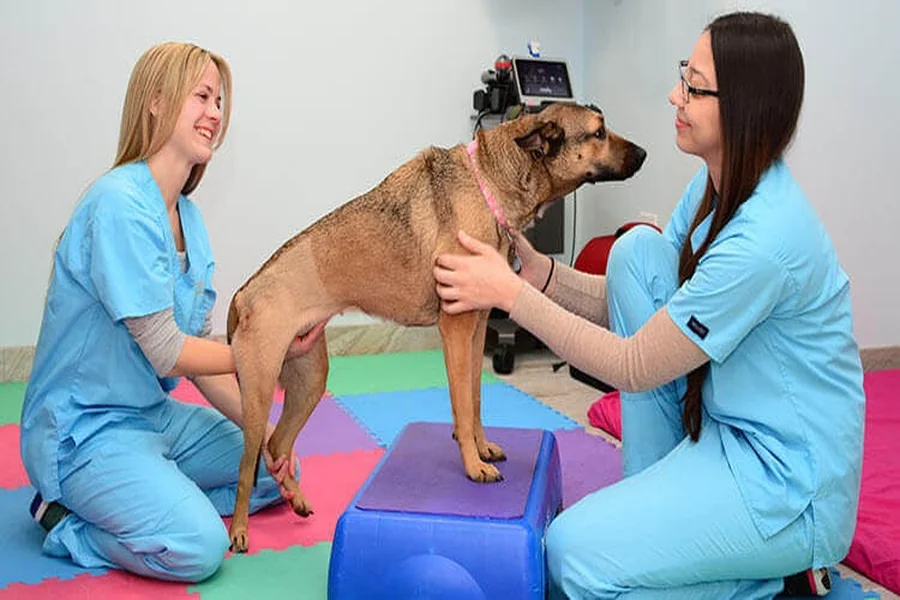
Rehabilitation in veterinary hospitals is no longer a rare extra. It is becoming standard care. You now see hydrotherapy, strength work, and pain control offered next to surgery and medicine. This shift is not about luxury. It is about giving your animal a real chance to move, heal, and stay active after injury, surgery, or disease. When you work with a veterinarian in Tomball who uses rehab, you help your animal walk with less pain, recover faster, and avoid new injuries. You also gain clear goals and honest updates. First, rehab supports healing after surgery. Second, it manages long term joint and spine problems. Third, it helps older animals keep strength and balance. These services change how you plan care and how long your animal stays strong.
What Veterinary Rehabilitation Really Means
Rehabilitation means planned work to help your animal move better and hurt less. It borrows ideas from human physical therapy and turns them into safe plans for dogs, cats, and other animals.
Common tools include:
- Hydrotherapy in a tank or pool that supports body weight
- Simple strength work like sit to stand, step work, and balance pads
- Stretching and joint movement work to keep joints from getting stiff
- Heat and cold packs to ease pain and swelling
- Home plans that fit your space and your time
Each plan starts with a clear exam. You and the care team set goals together. You track small wins like standing longer, using a leg more, or climbing stairs again.
Why Rehab Is Growing In Veterinary Hospitals
You see rehab more often because animals live longer. You also see more joint disease, back pain, and cancer care. Surgery and medicine help, but they do not give full recovery alone.
Rehab grows for three simple reasons.
First, science supports it. Research from the National Institutes of Health shows that strength work, balance work, and water work can improve function after joint surgery in animals.
Second, you expect more. You want your animal to walk, play, and get up on the couch. You no longer accept “crate rest and hope” as the only answer.
Third, hospitals see the impact. Animals that receive rehab often go home sooner and return to normal activity faster. That means fewer setbacks and fewer rushed return visits.
Common Conditions Helped By Rehab
Rehab is not only for rare conditions. It helps with many of the problems you already know.
- Cruciate ligament tears in the knee
- Hip or elbow dysplasia
- Arthritis in older animals
- Back pain and disc disease
- Weakness after long illness or hospital stays
- Weight gain that strains joints and heart
The American College of Veterinary Surgeons explains that controlled exercise after joint surgery can improve strength and function while protecting the repair. You can read more in their client resources at the ACVS canine rehabilitation page.
How Rehab Fits Into Your Animal’s Care
Rehab is not a separate path. It is one part of a full care plan.
First, your primary veterinarian or surgeon finds the medical problem and treats it. That may include surgery, medicine, or both.
Second, a rehab trained team member designs a plan that matches the diagnosis, your home, and your goals. You agree on how often you will come in and what you will do at home.
Third, you return for progress checks. The team adjusts the plan as your animal grows stronger or if pain returns.
This cycle keeps care active. You do not wait until your animal gets worse. You respond early.
Sample Rehab Plan By Condition
| Condition | Typical Rehab Start Time | Common Rehab Tools | Usual Length Of Plan
|
|---|---|---|---|
| Cruciate Ligament Surgery | 3 to 7 days after surgery | Passive joint movement, short leash walks, later water work | 8 to 16 weeks |
| Hip Dysplasia With Arthritis | As soon as pain is under control | Weight control, strength work, water work, home ramps | Ongoing with checkups every 4 to 8 weeks |
| Spinal Disc Disease After Surgery | 3 to 14 days after surgery | Assisted standing, balance work, careful walking plans | 8 to 20 weeks |
| Senior Arthritis Without Surgery | At first signs of stiffness or limping | Gentle walks, joint range work, home safety changes | Ongoing with checkups every 6 to 12 weeks |
| Obesity With Joint Pain | Right after weight problem is found | Calorie plan, water work, slow increase in walks | 3 to 12 months |
What You Can Expect During Rehab Visits
Your first visit usually feels like a long, calm talk.
- History. You explain what you see at home. You share what your animal could do before.
- Movement check. The team watches your animal walk, sit, and lie down.
- Hands on exam. They feel joints, muscles, and spine. They check for pain and stiffness.
- Goal setting. You agree on clear goals like “walk to the mailbox” or “climb stairs once a day.”
- First exercises. You learn a few simple moves to start that same day.
Follow up visits are shorter. You review gains and setbacks. You add or change exercises. You get honest feedback, even when progress is slow.
How You Support Rehab At Home
Rehab only works when you take part. Your role is simple and firm.
- Give medicine as directed and on time.
- Follow the leash and activity rules. Do not skip rest days.
- Use ramps and non slip mats to prevent falls.
- Keep your animal at a steady weight.
- Track changes in a small notebook or phone log.
The U.S. Food and Drug Administration stresses that you should never change doses or add human pain medicine without guidance because some drugs harm animals. You can read more on the FDA pain meds for pets page.
When To Ask About Rehabilitation
You do not need to wait for a crisis. You can ask about rehab in three moments.
- Right after your animal receives a new diagnosis that affects movement
- Before and after any joint or spine surgery
- When you first notice stiffness, limping, or trouble with stairs
Early work often prevents deeper damage. Routine care is more effective after treatment. You give your animal a chance not only to live but to move with more comfort and control.
