

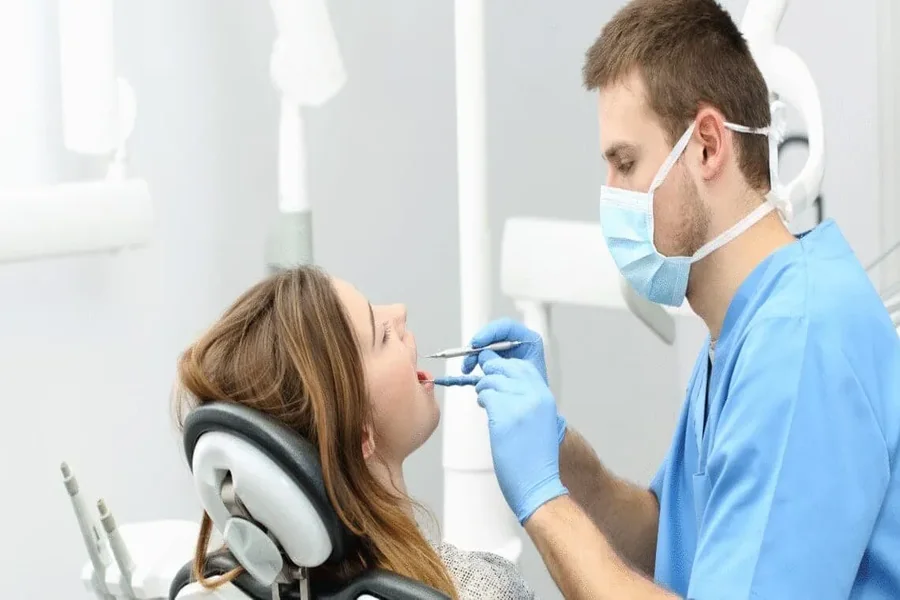
Technology is changing how you care for your teeth and gums. You now see faster visits, fewer surprises, and clearer results. Simple tools like digital X‑rays, 3D scans, and clear aligners reshape both orthodontics and general dentistry. You spend less time in the chair. You get more precise treatment. You also gain more control over each choice. Many offices use scanners instead of messy impressions. Some use printers to create aligners, retainers, and models on site. Others use software that shows how your smile can change over time. A dentist in Fort Worth, TX may track small changes in your teeth long before you feel pain. This helps prevent larger problems. It also lowers stress during each visit. You see what the dentist sees. You understand each step. You become a partner in your own care.
Digital X‑rays And 3D Imaging
Old X‑rays used film and higher radiation. New digital X‑rays use sensors and need less exposure. You see the image on a screen within seconds. Your dentist can zoom in, adjust contrast, and spot early decay.
3D cone beam scans add more detail. These scans show bone, roots, and nerves in three dimensions. You get safer plans for implants, extractions, and braces. You also avoid the guesswork that once caused fear and regret.
Scanners, Clear Aligners, And Braces
Small handheld scanners now replace trays of putty. A camera takes quick images of each tooth. Software then builds a 3D model of your mouth. You breathe, talk, and swallow with ease during this step. Children and adults both tolerate it better.
Clear aligners use these scans to plan each stage of tooth movement. You see a digital preview of your future smile. You remove the trays to eat and brush. You also avoid wires and metal in many cases. Braces still help with complex bite problems. Yet even braces use better brackets, lighter wires, and more exact planning through digital tools.
Comparison Of Traditional Braces And Clear Aligners
| Feature | Traditional Braces | Clear Aligners
|
|---|---|---|
| Material | Metal brackets and wires | Clear plastic trays |
| Removable | No | Yes |
| Cleaning | Brush around brackets | Remove trays to brush and floss |
| Diet limits | Many food limits | Fewer food limits |
| Best for | Complex tooth and bite issues | Mild to moderate tooth movement |
3D Printing And Custom Devices
3D printers now build retainers, night guards, and surgical guides from those digital scans. You often get a device faster. You also get a closer fit.
In orthodontics, 3D printing helps create aligner series and custom brackets. In general dentistry, it helps with crowns, bridges, and dentures. Your dentist can adjust designs on a screen before anything touches your mouth. This lowers the chance of repeat visits and painful refits.
Teledentistry And Remote Check‑Ins
Virtual visits grew during the COVID‑19 pandemic. They now stay as a steady option for many families. You can show a chipped tooth on a video call. You can ask if a sore spot needs an urgent visit. You can also send photos of your braces or aligners for quick checks.
Teledentistry never replaces cleanings or fillings. It still helps you avoid travel for simple questions. It helps parents manage care for children. It also helps older adults and people with limited transport keep regular contact with a dentist.
Digital Records, Photos, And Education
Digital records keep your history, X‑rays, and photos in one secure place. Your dentist can track changes over the years. Small shifts in gum height or tooth wear no longer hide in memory. They appear on the screen side by side.
In the chair, you now see what your dentist sees. Intraoral cameras show cracks, stains, and plaque. You no longer need to imagine a cavity. You can look at it. This makes choices about fillings, crowns, or sealants less confusing.
Prevention, Early Warning, And Comfort
New tools spot decay between teeth before it grows. Software can measure bone levels around each tooth. This helps catch gum disease early. Lasers can clean small cavities with less vibration. Numbing can become more targeted. You often feel less soreness after care.
For children and anxious adults, this matters. Fewer shots, shorter visits, and clearer steps reduce fear. When fear drops, you keep appointments. When you keep appointments, you avoid painful emergencies.
How To Use This Progress For Your Family
You do not need every new device. You do need honest answers. During your next visit, ask three simple questions.
- How do you use digital tools to plan my care
- How will I see what you see
- How can this technology help prevent problems, not just fix them
Then listen for clear examples. Look for side‑by‑side images. Ask to see a model of your teeth. Request a simple outline of steps, costs, and timing.
Technology should never replace trust. It should support it. When you understand the tools and see the proof, you gain control. You can protect your teeth with less fear, less confusion, and fewer sharp surprises.
