

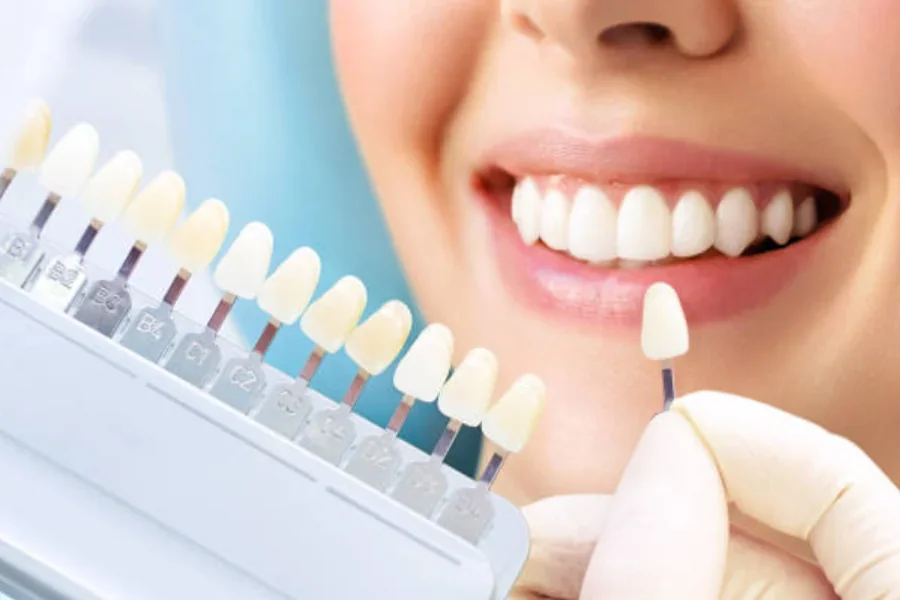
You want a brighter, more confident smile that lasts. Preventive dentistry makes that possible. It protects the work you invest in whitening, veneers, or other cosmetic treatments. Without strong teeth and healthy gums, cosmetic work can fail, chip, stain, or need early replacement. Preventive care keeps problems small and easier to treat. It also lowers pain, cost, and time in the chair. A Gladstone, MO dentist uses cleanings, early screenings, and simple home care steps to prepare your mouth before any cosmetic change. Then your new smile rests on a steady base. This blog explains five clear ways routine checkups, cleanings, and daily habits improve the success of cosmetic treatments. You will see how these steps support stronger enamel, calmer gums, better bite alignment, and longer lasting results. You will also learn what to ask your dentist before starting any cosmetic plan.
1. Strong enamel helps cosmetic work last longer
Enamel is the hard outer shell of each tooth. It faces chewing, grinding, and constant contact with food and drink. When enamel thins, chips, or cracks, cosmetic work has less support. Veneers can loosen. Bonding can break. Whitening can cause more sensitivity.
Preventive care protects enamel in three main ways.
- Regular cleanings remove hard plaque that wears on enamel.
- Fluoride from toothpaste and treatments helps enamel heal early damage.
- Advice on diet and brushing helps you limit acid and sugar that weaken teeth.
The Centers for Disease Control and Prevention shares clear steps on fluoride and cavity prevention at CDC Oral Health Fast Facts. These simple habits create a strong base before you add any cosmetic work.
2. Healthy gums protect your cosmetic investment
Cosmetic treatments sit next to your gums. If gums swell, bleed, or pull back, even perfect veneers or crowns start to look uneven. Gum disease can also lead to bone loss. That loss changes how restorations fit and feel.
Preventive visits keep gums steady. During each visit, the team checks for:
- Red or tender spots.
- Bleeding when you brush or floss.
- Pockets where bacteria hide.
Early treatment can stop gum disease before it harms bone and teeth. Then your cosmetic work rests next to firm, even gum lines. That support keeps edges sealed and reduces the risk of decay near veneers or crowns.
3. Early problem detection avoids cosmetic setbacks
Small problems can hide under the surface. Tiny cracks, early cavities, and bite changes may not hurt yet. Still, they can shorten the life of whitening, bonding, or orthodontic work.
Routine exams and X-rays help your dentist spot these problems early. The National Institute of Dental and Craniofacial Research explains how tooth decay starts and how early care helps at NIDCR Tooth Decay Information.
When your dentist finds problems early, you gain three clear benefits.
- Less drilling and smaller fillings before cosmetic work.
- Reduced risk that decay will grow under a veneer or crown.
- More accurate planning for whitening, bonding, or aligners.
As a result, cosmetic treatments last longer and need fewer repairs.
4. A stable bite protects veneers, crowns, and bonding
Your bite is how your upper and lower teeth meet. If that fit is off, some teeth take more force. That extra pressure can chip porcelain, crack bonding, and shorten the life of cosmetic work.
Preventive visits include bite checks. Your dentist looks for:
- Uneven wear on certain teeth.
- Jaw pain or tightness.
- Grinding or clenching signs.
Then your dentist may smooth high spots, fit a night guard, or suggest other simple steps. With a stable bite, pressure spreads across many teeth. Cosmetic treatments stay secure and look sharp longer.
5. Daily habits keep cosmetic results bright
Cosmetic work is not a one-time event. Your daily routine shapes how long your results last. Coffee, tea, tobacco, and poor brushing can stain both natural teeth and many types of restorations.
Preventive dentistry includes coaching on home care. You learn how to:
- Brush twice each day with fluoride toothpaste.
- Clean between teeth once each day with floss or other tools.
- Rinse with products that support enamel and gum health.
These habits help your smile stay even in color. They also reduce plaque around veneers and crowns, which lowers the risk of decay near the edges.
How preventive care and cosmetic care work together
The table below compares outcomes with and without steady preventive care before cosmetic treatment. It shows how routine steps change daily life and long-term results.
| Factor | With strong preventive care | With little preventive care
|
|---|---|---|
| Enamel strength | Thicker enamel supports veneers and bonding | Weak enamel leads to chips and breaks |
| Gum health | Firm gums frame teeth and restorations | Swollen gums change fit and look of work |
| Decay risk | Low risk of cavities around cosmetic work | High risk of decay under veneers or crowns |
| Bite stability | Even pressure protects porcelain and enamel | Grinding and high spots cause cracks |
| Cost over time | Fewer repairs and replacements | Frequent fixes and early redo of work |
| Comfort | Less sensitivity and jaw strain | More aches, sharp edges, and soreness |
| Smile appearance | Color stays even and clean | Stains, chips, and dark edges show sooner |
Questions to ask before you start cosmetic treatment
Before you choose whitening, veneers, or other cosmetic steps, clear questions help protect your health and your budget. You can ask your dentist:
- Are my gums healthy enough for this treatment?
- Do I have any untreated cavities or cracks
- How stable is my bite right now
- What preventive steps should I complete first
- How often should I schedule cleanings after treatment
- What daily routine will protect this work
These questions show that you value both health and beauty. They also help your dentist plan a sequence that starts with prevention and builds toward cosmetic change.
Take the next step for a lasting smile
Cosmetic dentistry can lift your confidence and change how you feel in photos and daily talks. Still, the true strength of that change comes from the quiet work of prevention. Cleanings, exams, and home care may seem simple. Yet they guard enamel, calm gums, and steady your bite so cosmetic work can succeed.
When you plan your next smile upgrade, start with preventive care. Ask for a full exam. Treat any hidden problems. Build habits that support your teeth and gums. Then your cosmetic treatment has a solid base, and your results can stay strong for many years.
