

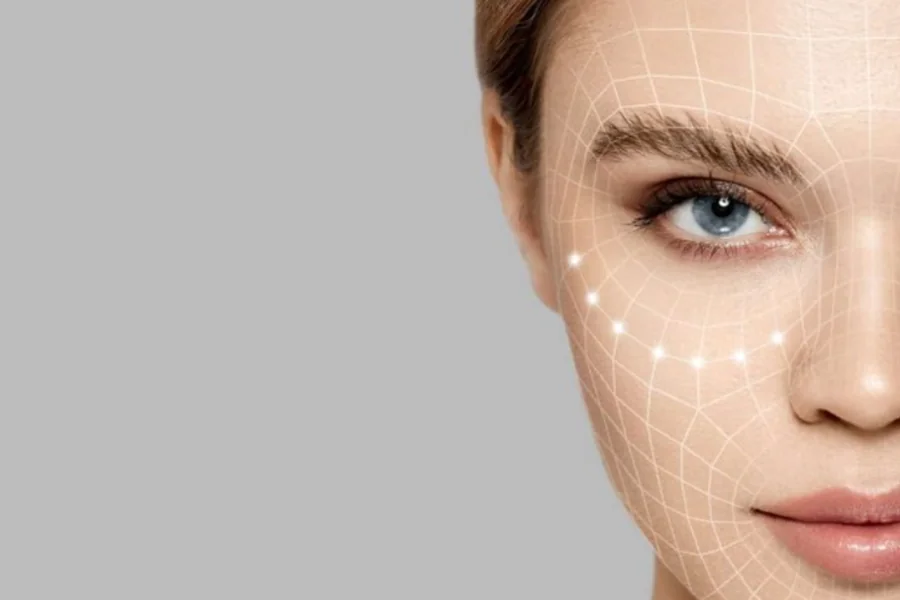
Healthy skin is not defined only by smoothness or brightness. It is also reflected in how well the skin can recover from stress, dryness, pollution, sun exposure, and the natural aging process. In modern beauty care, more people are beginning to understand that skin does not always need aggressive correction. Sometimes, what it truly needs is recovery, nourishment, and support from within.
This is why skin recovery treatments have become an important part of facial care today. Rather than focusing only on covering imperfections, these treatments aim to improve skin quality at a deeper level. The goal is to help the skin look fresher, more hydrated, more balanced, and naturally healthier over time.
The Shift from Cosmetic Correction to Skin Wellness
For many years, facial treatments were often associated with dramatic changes. People looked for quick ways to reduce visible signs of aging, sharpen facial features, or brighten the skin instantly. While those goals still matter, today’s beauty standards have become more refined. Many patients now prefer treatments that make the skin look naturally well cared for rather than obviously treated.
This shift has created a stronger interest in skin wellness. Instead of asking only how to change the face, people are asking how to restore skin strength, improve hydration, and maintain a healthy glow. This approach is especially popular among those who want elegant, subtle results that fit their lifestyle.
Skin recovery treatments match this new mindset because they focus on improving the condition of the skin itself. When the skin is healthier, the face often appears more refreshed, youthful, and balanced without needing heavy makeup or dramatic procedures.
Why Facial Skin Becomes Tired and Dull
The skin is exposed to stress every day. Sunlight, pollution, lack of sleep, dehydration, air conditioning, makeup, and daily routines can all affect the way the skin looks and feels. Over time, the face may start to appear dull, dry, uneven, or less elastic.
Aging also plays a natural role. As collagen, elastin, and moisture levels gradually decline, the skin may lose some of its firmness and smooth texture. Fine lines can become more noticeable, and the skin may not recover as quickly as it once did.
Even people with good skincare habits can experience these changes. Cleansers, serums, and moisturizers are useful, but they may not always be enough when the skin needs deeper hydration and repair support. This is one reason professional skin recovery treatments are gaining attention.
What Skin Recovery Really Means
Skin recovery is not only about making the face brighter for a few days. A thoughtful recovery approach supports the skin barrier, improves hydration, and helps the skin regain a healthier appearance. It may also support smoother texture, better elasticity, and a more radiant look.
In aesthetic care, treatments designed for skin recovery often aim to deliver hydration and beneficial ingredients more effectively than everyday skincare can. These treatments are especially helpful for people whose skin feels tired, dry, sensitive, or stressed from lifestyle and environmental factors.
For those exploring professional options, treatments related to ฟื้นฟูผิวหน้า can be part of a broader plan to improve facial skin quality in a more targeted and supportive way. When performed by an experienced clinic, the focus is not on changing the face, but on helping the skin look healthier and more resilient.
The Importance of Hydration in Facial Rejuvenation
Hydration is one of the most important foundations of youthful-looking skin. When the skin is well hydrated, it often appears smoother, softer, and more luminous. Fine lines caused by dryness may look less noticeable, and the overall complexion can appear more balanced.
However, hydration is not only about drinking water or applying moisturizer. The skin needs the ability to retain moisture effectively. When the skin barrier is weakened, moisture can escape more easily, leaving the face looking dull or rough.
Professional skin treatments may help support moisture balance more directly. This is why many modern facial recovery programs focus not only on surface glow, but also on deeper hydration and skin barrier support.
Who May Benefit from Skin Recovery Treatments?
Skin recovery treatments may appeal to a wide range of people. Some may have dull or tired-looking skin from work stress, travel, or lack of sleep. Others may experience dryness from air conditioning, sun exposure, or frequent makeup use. Some patients may want to maintain skin quality before visible aging signs become more advanced.
This type of care may also suit people who prefer natural-looking results. They may not want a dramatic change, but they want their skin to appear fresher, smoother, and more rested. In many cases, improving skin quality can make the whole face look better without altering facial structure.
A consultation with a qualified provider is still important. Skin type, sensitivity, age, lifestyle, and existing concerns should be considered before choosing any treatment. A good clinic will recommend a plan based on the individual’s real skin condition, not simply on trends.
Why Subtle Skin Improvements Matter
One of the most attractive aspects of skin recovery treatments is that the results can feel refined and natural. The skin may gradually look more hydrated, brighter, and healthier, without making the person look noticeably different.
This subtle improvement is often what people want today. They want friends or colleagues to notice that they look well, rested, or glowing, but not necessarily know exactly what treatment they had. This kind of result fits modern beauty because it respects personal identity while enhancing overall appearance.
Healthy-looking skin also supports confidence. When the face looks fresh and balanced, people often feel more comfortable with less makeup and simpler daily routines.
Supporting Results with Daily Skin Habits
Professional treatments can help improve skin quality, but daily habits still matter. Sunscreen is essential for protecting the skin from UV damage. Gentle cleansing, proper hydration, enough sleep, and a consistent skincare routine can all help maintain results.
Lifestyle choices also play a role. Managing stress, drinking enough water, eating nutrient-rich foods, and avoiding excessive sun exposure can support long-term skin health. The best results often come from combining professional care with realistic daily maintenance.
It is also important to follow the clinic’s aftercare advice. Even treatments that are considered gentle should be supported with the right skincare routine afterward.
Choosing a Clinic with a Skin-First Approach
When choosing a clinic for facial skin recovery, patients should look for more than attractive marketing. A trustworthy clinic should assess the skin carefully, explain treatment options clearly, and set realistic expectations.
A skin-first approach means the clinic focuses on long-term skin health, not only quick visual improvement. The treatment plan should match the patient’s skin needs, comfort level, and goals. Clear guidance before and after treatment also helps patients feel more confident and informed.
The best aesthetic care is not about doing as much as possible. It is about choosing the right treatment, at the right time, for the right reason.
Conclusion
Skin recovery treatments are becoming essential because modern beauty is moving toward natural, healthy, and sustainable results. People no longer want only temporary brightness or dramatic changes. They want skin that looks stronger, fresher, and more balanced in everyday life.
By supporting hydration, skin quality, and overall resilience, facial recovery treatments can help the skin regain a healthier appearance from within. When guided by an experienced clinic and supported by good daily habits, this approach can create results that feel elegant, subtle, and genuinely natural.
