

Upgrading your living space does not always require major renovations or expensive projects. Small, thoughtful changes can significantly improve how comfortable, functional, and energy-efficient your home feels. By focusing on smart improvements, you can create an environment that supports relaxation, reduces energy waste, and enhances everyday living. Whether you live in a small apartment or a larger house, these simple upgrades can make a noticeable difference in your daily routine and overall quality of life.
Air Conditioning Installation for Better Comfort and Efficiency
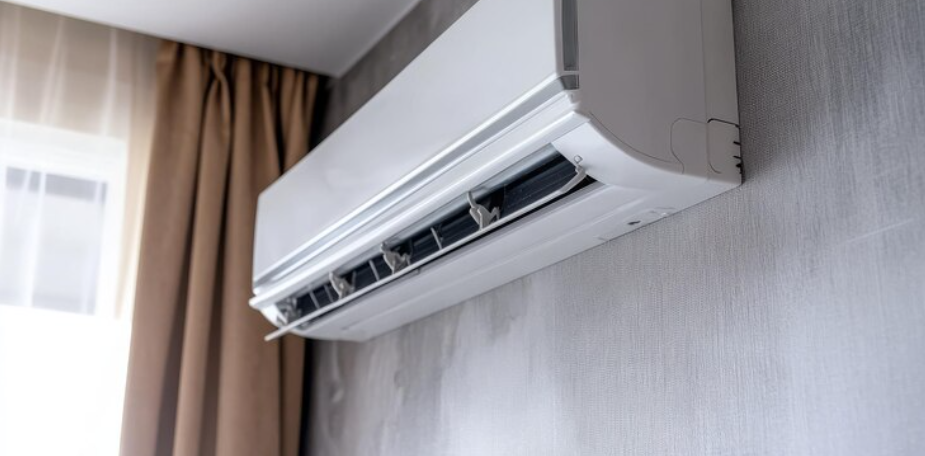
One of the most effective ways to improve home comfort is through proper air conditioning installation. A well-installed system helps maintain a consistent indoor temperature, especially during hot summer months. It not only cools your home but also improves indoor air quality by filtering dust and allergens. Choosing the right unit size is important because an undersized system will struggle to cool your space, while an oversized one may waste energy. Professional installation ensures that the system runs efficiently and lasts longer. When combined with regular maintenance, air conditioning can significantly reduce energy costs while keeping your home comfortable throughout the year.
Improve Lighting and Energy Use
Lighting plays a major role in how a home feels and functions. Switching to energy-efficient LED bulbs is a simple change that reduces electricity bills while providing better brightness. Natural light should also be maximized by keeping windows clean and using light-colored curtains that allow sunlight to enter. Proper lighting placement in work areas, kitchens, and living rooms can improve productivity and comfort. Using smart lighting systems or timers can further reduce unnecessary energy use. These small adjustments not only enhance visibility but also create a warm and welcoming atmosphere in your home.
Better Insulation and Ventilation
Good insulation is essential for maintaining a stable indoor temperature. Properly insulated walls, roofs, and windows help keep cool air inside during summer and retain warmth during winter. This reduces the workload on heating and cooling systems, leading to lower energy bills. Ventilation is equally important for maintaining fresh air circulation. Simple steps like opening windows when weather permits or using exhaust fans in kitchens and bathrooms can prevent moisture buildup and improve air quality. Together, insulation and ventilation create a balanced indoor environment that feels comfortable year-round.
Small Lifestyle Changes for Daily Comfort
In addition to structural improvements, small lifestyle changes can also make your home more comfortable. Keeping your living space organized reduces stress and makes daily tasks easier. Regular cleaning helps maintain hygiene and prevents dust accumulation. Using soft furnishings like cushions, rugs, and curtains can improve comfort and add warmth to your interiors. Adjusting daily habits, such as unplugging unused devices or managing water usage efficiently, also contributes to a more sustainable lifestyle. These simple actions, when practiced consistently, create a healthier and more enjoyable living environment.
Conclusion
Improving your home does not require complex upgrades or high costs. Simple changes like efficient air conditioning installation, better lighting, improved insulation, and mindful daily habits can greatly enhance comfort and efficiency. By making these practical adjustments, you can create a home that is not only energy-efficient but also more pleasant and supportive for everyday living.
