

Key Takeaways
- Start with the site, including sun, soil, drainage, views, and available space.
- Choose plants native to your region and suited to actual growing conditions.
- Use trees, shrubs, perennials, grasses, and ground covers in layers for year-round structure.
- Plan paths, seating, water management, and maintenance access before planting.
- Design for seasonal change rather than expecting the garden to look the same all year.
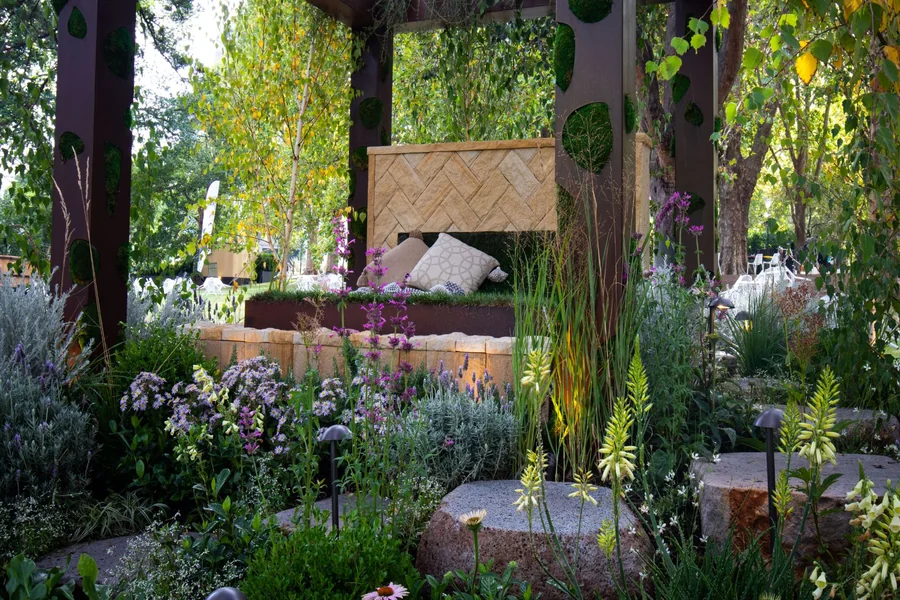
A native garden can be beautiful in every month of the year, but it needs more than a collection of attractive flowers. The strongest gardens are built around how the property works, how people use it, and how plants will change over time. Working with a knowledgeable design and build firm can help homeowners connect planting, drainage, paths, and outdoor living areas into one practical plan. The goal is not to create a yard that is always in peak bloom. Instead, create a landscape with changing color, texture, shelter, and purpose from spring through winter. A well-planned native garden can support birds and pollinators, reduce bare or muddy areas, and provide a comfortable setting for daily life outdoors.
Why Four-Season Planning Matters
Many gardens are designed around summer flowers, then lose their appeal when blooms fade. A four-season garden has a stronger foundation. Evergreen foliage, branching patterns, bark, berries, seed heads, ornamental grasses, and shrubs give the landscape shape when flowering perennials are dormant. Seasonal change should feel intentional. Spring can bring fresh foliage and early flowers. Summer can offer shade and long bloom periods. Fall can provide color, fruit, and seed. Winter can reveal the bones of the garden, including paths, stonework, shrubs, and the silhouettes of grasses. This approach creates a landscape that remains useful and visually interesting without requiring constant replanting.
How To Read Your Site Before Choosing Plants
Buying plants before assessing the property often leads to poor growth, overcrowding, and unnecessary expense. Walk the site at different times of day and after rainfall. Make a basic sketch that records the following conditions:
- Sunlight: Mark full-sun, part-shade, and deep-shade areas.
- Soil: Note whether soil is sandy, clay-heavy, compacted, moist, or well-drained.
- Water movement: Identify puddles, runoff routes, downspouts, slopes, and dry zones.
- Space: Measure planting beds, overhead clearance, utility areas, and mature plant room.
- Views and access: Mark windows, fences, busy streets, paths, and views worth framing.
Hardiness is useful, but it is only one part of plant selection. The USDA Plant Hardiness Zone Map helps gardeners identify winter temperature ranges, while local moisture, soil, wind, and microclimates determine whether a plant will truly thrive.
Build a Strong Planting Framework
Think of the garden as a layered community rather than a row of separate specimens. Start with the long-lived elements, then fill in smaller plants around them. This makes the design feel settled and easier to care for as it matures.
- Upper layer: Canopy or small trees for height, shade, nesting opportunities, and seasonal character.
- Middle layer: Shrubs for privacy, flowers, berries, and winter structure.
- Lower layer: Perennials, native grasses, bulbs, ferns, and ground covers.
- Foundation layer: Paths, edging, retaining features, lighting, and seating.
Repeat a limited number of plant forms, colors, or textures. A drift of one grass beside repeated groups of flowering perennials often looks more coherent than dozens of single plants scattered throughout a bed. Leave room for mature width, especially around shrubs and trees.
Native Interest Through Every Season
Spring
Use early-blooming woodland flowers, flowering shrubs, and small trees to provide a clear start to the growing season. Fresh leaves and emerging grasses also create a softer, brighter look after winter.
Summer
Choose long-blooming perennials, sturdy grasses, and shrubs that provide shade or screening. Group plants with similar water needs so irrigation, if needed, is simpler and more efficient.
Fall
Prioritize plants with colorful foliage, persistent seed heads, and berries. Fall is also an excellent time to notice where the garden needs stronger structure after summer flowers begin to fade.
Winter
Evergreens, textured bark, colorful twigs, standing grasses, and sturdy seed heads prevent the landscape from feeling empty. Avoid cutting everything down in autumn. Selective cleanup keeps the garden tidy while preserving habitat and winter interest.
Ways To Support Birds And Pollinators
A habitat-friendly garden provides more than nectar. Include plants that offer pollen, foliage for caterpillars, fruit, seeds, and dense cover. Aim for overlapping bloom times so food is available from early spring into fall. Layered shrubs and grasses can also provide birds with places to rest and seek shelter. Limit unnecessary pesticide use, remove invasive plants before they spread, and leave some leaf litter and hollow stems through winter. Wildlife-friendly planting does not need to look unkempt. Defined bed edges, repeated plant groups, and clear paths communicate that the garden is cared for.
Plan Paths, Seating, and Outdoor Rooms
Place paths where people naturally walk, especially between doors, driveways, sheds, and patios. Use durable surfaces in muddy areas and keep routes wide enough for wheelbarrows, pruning, and comfortable movement. A small bench near the kitchen door or beside a fragrant planting may be used more often than a large seating area at the back of the property. Use planting to shape outdoor rooms without blocking access. A shrub border can screen a dining area, while a small tree can create shade near a chair. Keep sightlines open where safety, supervision, or views matter.
Manage Water, Drainage, and Soil
Address drainage before installing beds. Direct water away from foundations, and match plants to naturally wet or dry conditions whenever possible. Mulch helps protect soil, reduce weeds, and moderate moisture loss, but it cannot solve a grading problem. Where runoff repeatedly collects, a properly sited rain garden or planted swale may help slow and filter water. The EPA explains that rain gardens collect runoff and allow it to soak into the ground. Consult a qualified professional for drainage issues near foundations, steep slopes, retaining walls, or underground utilities.
Common Design Mistakes To Avoid
- Choosing plants only because they look good in a photograph.
- Ignoring mature height and width.
- Using too many unrelated plant varieties.
- Creating beds that are difficult to reach and maintain.
- Leaving drainage, paths, and lighting until the end.
- Removing every stem, seed head, and leaf before winter.
- Designing only for daytime summer use.
A Simple 2026 Garden Planning Checklist
- List how you want to use the garden.
- Map sun, soil, slope, drainage, and existing features.
- Choose a focused palette of native trees, shrubs, grasses, and perennials.
- Confirm mature spacing and maintenance needs.
- Install drainage and hardscape elements first.
- Plant in phases if needed, beginning with the most visible or useful area.
- Review the garden at the end of each season and adjust gradually.
Frequently Asked Questions
Do Native Gardens Look Messy?
No. Native gardens can be formal, modern, relaxed, or naturalistic. Clear edges and repeated plant groupings create order.
Can a Small Yard Support Native Plants?
Yes. Narrow beds, containers, compact shrubs, small trees, and grasses can provide meaningful habitat in limited space.
How Many Plant Types Should a Beginner Use?
Start with a small, dependable palette. Repetition creates a stronger visual pattern and makes maintenance easier.
When Should Planning Begin?
Any season works. Winter reveals structure, while spring and summer show light patterns, growth, and drainage behavior.
Conclusion
A successful native garden begins by working with real site conditions and realistic maintenance habits rather than forcing plants into unsuitable environments. Understanding sunlight, soil, drainage, and available space helps create a landscape that is healthier and easier to maintain over time. When thoughtful design, efficient water use, good circulation, and appropriate native plant selection work together, even an ordinary yard can become a resilient outdoor space that supports local birds, pollinators, and other wildlife year-round. Native gardens also offer seasonal beauty while reducing the need for excessive watering, fertilizers, and ongoing maintenance. By focusing on long-term sustainability instead of short-term appearance, homeowners can create landscapes that are attractive, practical, and better adapted to local growing conditions in every season.
