

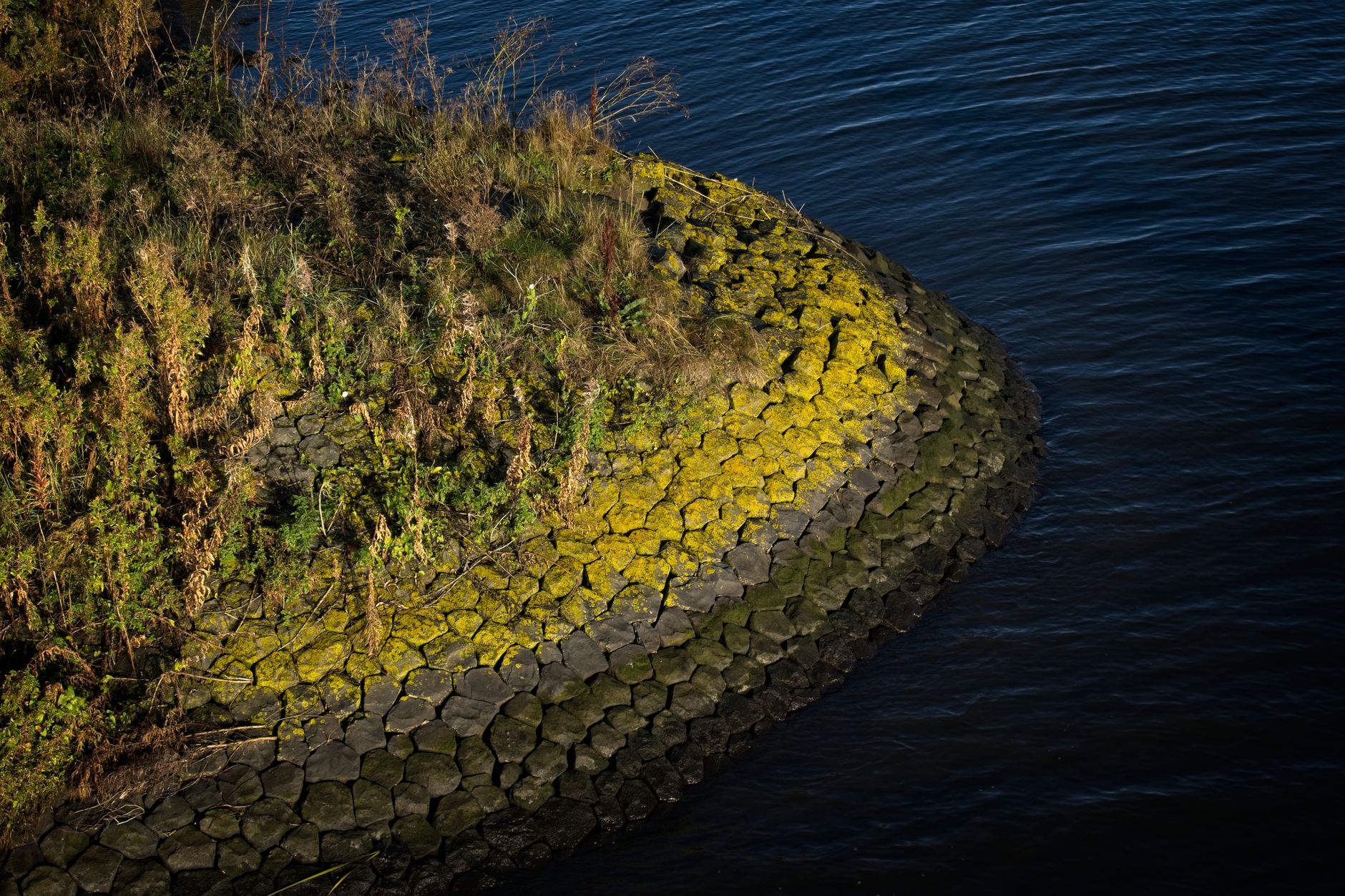
A shoreline buffer is the strip of land between developed areas and the water, where plants, soil, and natural features help protect the lake edge. Shoppers comparing waterfront homes for sale may notice that this area affects everything from views and lawn size to erosion control and dock access. Understanding how a buffer works can prevent surprises after purchasing property beside a lake.
Definition and Purpose of Shoreline Buffers
Unlike an ordinary backyard, a shoreline buffer is managed with the water in mind. Native grasses, shrubs, trees, and undisturbed ground can slow runoff before it reaches the lake, while roots help hold soil along the bank.
Homeowners searching for lake homes for sale near me should identify where the buffer begins and ends before planning landscaping or outdoor improvements. Boundary locations may depend on property lines, agency-owned shoreland, easements, community rules, or setbacks rather than the waterline alone.
Environmental Protection and Erosion Control
Rain moving across roofs, driveways, lawns, and patios can carry sediment, fertilizer, oil, and other material toward the shoreline. Vegetated buffers reduce the speed of that runoff and allow part of it to soak into the ground before entering the water.
Deep-rooted plants can also strengthen soil where waves, storms, and changing water levels wear against the bank. Owners evaluating lakefront property should look for bare soil, exposed roots, gullies, failing retaining structures, or heavily worn paths because those conditions may signal ongoing erosion.
Local Zoning Regulations and Setback Requirements
Rules for shoreline property can come from several places, including local regulations, subdivision covenants, environmental agencies, and reservoir authorities. Requirements may address how close structures can sit to the water, where vegetation can be cleared, and whether paths, docks, retaining walls, or shoreline work need approval.
Before buying lake houses near me, purchasers should confirm which regulations apply to the parcel instead of assuming neighboring properties follow identical standards. Lake Guntersville properties may also involve TVA requirements where work affects TVA-managed shoreline, making permit review important before waterfront improvements.
Permitted vs. Prohibited Vegetation Types
Healthy shoreline vegetation does more than make a property look natural. Trees, shrubs, grasses, and ground covers stabilize soil, provide habitat, filter runoff, and tolerate wet conditions better than lawn grass.
Selective pruning can preserve useful lake views without stripping the bank of its protective root system. Anyone reviewing waterfront property for sale should ask whether invasive plants are present, whether past clearing was authorized, and which vegetation may be removed or replaced under applicable rules.
Impact on Property Values and Lake Views
Open water views often influence buyer interest, but completely clearing a shoreline can create tradeoffs. Removing too much vegetation may increase erosion, reduce privacy, expose outdoor spaces to stronger wind or sun, and create future stabilization expenses.
Well-managed buffers can frame views while maintaining a cleaner transition between the home and lake. People comparing lake front homes for sale should consider sightlines from windows, porches, and outdoor seating areas together with the health of the shoreline rather than judging value by an unobstructed view alone.
Restoration and Maintenance Best Practices
Damaged buffers can often be improved through careful replanting, erosion repair, controlled access paths, and reduced disturbance near the bank. Suitable species adapted to local soil and moisture conditions generally require less intervention once established and can develop stronger root networks than shallow-rooted turf.
Routine maintenance should focus on removing invasive growth, protecting desirable plants, keeping drainage paths stable, and watching for new erosion after storms. Prospective owners considering a lake house for sale can also ask for records of shoreline work, permits, planting plans, and previous stabilization projects before making major changes.
Penalties and Fines for Non-Compliance
Unauthorized clearing or construction can become more than a landscaping problem. Regulators or property associations may require work to stop, restoration to occur, structures to be modified or removed, or additional permits to be obtained, depending on the violation and governing rules.
Costs can grow quickly if shoreline damage must be repaired after improper clearing. Buyers searching for waterfront property for sale near me should therefore review surveys, permits, association documents, and shoreline restrictions before assuming an existing condition is compliant.
Duckett Pointe offers waterfront homes and homesites on Lake Guntersville within a community planned around lake access, landscaped spaces, and outdoor recreation. Visitors considering waterfront homes there can review the relationship between each homesite, the shoreline, vegetation, views, and community features while determining how buffer requirements may affect future use of the property.
